Reclaim Lost Blog Traffic: AI Strategies for Content Decay
Learn how to update and refresh old blog posts to combat content decay and regain lost rankings in both traditional and AI-powered search environments. Discover effective strategies to optimize your content for dual visibility and maximize its value.

Zakariae

Your blog archive represents one of your most valuable digital assets, yet most content teams watch helplessly as traffic to older posts steadily declines. The phenomenon known as content decay affects virtually every piece of published content, with research showing that 72% of blog posts achieve half or less of their maximum monthly traffic within just six months of publication. After two years, the situation becomes even more dire, with 80-90% of pages seeing traffic reduced to 20% or less of their peak performance levels.
What makes this challenge particularly complex in 2024 and beyond is the emergence of a second dimension of visibility loss. Traditional content decay happens when competitors publish fresher content, search intent evolves, or your information becomes outdated. But now there is a parallel phenomenon occurring in AI-powered search experiences. Your content might maintain its traditional search rankings while becoming completely invisible to AI-generated responses, summaries, and citations. Analysis of 25.1 million impressions revealed that organic click-through rates dropped 61% for queries where AI Overviews appeared, falling from 1.76% to just 0.61%.
This comprehensive guide will walk you through proven strategies for updating and refreshing old blog posts to reclaim lost rankings in both traditional and AI-powered search environments. Whether you manage content for a B2B company, run an e-commerce store, or build niche affiliate sites, these techniques will help you extract maximum value from your existing content library.
Key Takeaways
- Content decay is inevitable but reversible: most blog posts lose significant traffic within six months, but strategic refreshes can recover and even exceed original performance levels.
- Dual visibility matters now: your content needs optimization for both traditional search rankings and AI citation, as these represent separate decay curves requiring different interventions.
- Update versus rewrite decisions carry real stakes: preserving URL equity through updates is often preferable, but complete rewrites become necessary when content fundamentally misses current search intent.
- Structure determines AI extractability: clear headers, Q&A formatting, and proper schema markup significantly increase your chances of being cited in AI-generated responses.
- Prioritization drives ROI: not all decaying content deserves equal attention; focus resources on pages with existing authority, backlinks, and conversion potential.
- Measurement requires new metrics: traditional Search Console data must be supplemented with AI citation tracking to understand true content performance.
- Automation accelerates the process: using AI-powered content platforms can dramatically reduce the time required to refresh content at scale.
Understanding Content Decay and Why Your Old Posts Lose Traffic
Every piece of content follows a predictable lifecycle: it spikes upon publication, experiences a trough as promotional momentum fades, grows as search engines index and rank the page, plateaus at peak performance, and eventually enters decay. This pattern is universal, affecting everything from comprehensive guides to product comparison posts. Understanding this lifecycle is the first step toward developing an effective refresh strategy.
The causes of content decay are multifaceted and often compound over time. Increased competition represents one of the primary drivers, as every ranking you hold is a ranking someone else actively pursues. Slipping from position one to position two can cut your traffic by approximately 50%, while dropping to position six means losing roughly 90% of your original traffic. Competitors study top-performing pages and publish their own versions, frequently with fresher data, updated statistics, or more comprehensive coverage.

Search intent evolution creates another significant challenge. The queries people use and what they expect to find change over time. A post optimized for informational intent might lose relevance as users increasingly seek transactional or comparison content for the same topic. Google's algorithms have become increasingly sophisticated at detecting intent mismatches, demoting content that no longer satisfies what searchers actually want.
Freshness signals also play a critical role in content decay. Search engines use various signals to determine content freshness, including publication dates, update frequencies, and the recency of linked resources. Content that references outdated statistics, discontinued products, or obsolete practices sends clear signals that it may no longer be reliable. According to Google's helpful content guidelines, demonstrating first-hand expertise and providing up-to-date information are essential ranking factors.
The Dual Visibility Challenge: Traditional Rankings Versus AI Citations
The emergence of AI-powered search experiences has fundamentally changed how we must think about content performance. Your content now exists in two parallel visibility ecosystems, each with its own rules, decay patterns, and optimization requirements. A page can maintain strong traditional search rankings while becoming completely invisible to AI systems, creating a puzzling situation where impressions remain stable but clicks continue declining.
AI search users are projected to grow from 13 million to 90 million by 2027, representing a massive shift in how people discover and consume information. Traffic to U.S. retail sites from generative AI sources jumped an astonishing 1,200% between July 2024 and February 2025. Perhaps most significantly, 49% of shoppers report trusting the brands that AI tools mention first, making AI visibility a competitive necessity rather than a nice-to-have feature.
The visibility gap between cited and non-cited content creates clear winners and losers in this new landscape. Research indicates that 92.36% of AI Overview citations come from top-ten ranking domains, while brands cited in AI Overviews gain 35% more organic clicks compared to those that are not cited. Non-cited content loses traffic to AI summaries without most content teams even understanding why their numbers are declining.
Important insight: Your Search Console may show stable impressions while clicks keep declining. This pattern often indicates that you are ranking but not being cited by AI systems. Users receive answers directly from AI without ever clicking through to your content.
This dual-health monitoring requirement means your content now has both an SEO health score (rankings, traffic, click-through rate) and an AEO health score (citation rate, mention frequency, answer inclusion). A page sitting at plateau in traditional search might already be in decay for AI visibility if the information is stale, the structure is difficult for large language models to parse, or competitors have published fresher content that AI models now prefer to cite.
The Update Versus Rewrite Decision Framework
One of the most critical decisions in any content refresh strategy is determining whether a piece needs a light update, a substantial revision, or a complete rewrite. This decision carries real stakes because getting it wrong means either destroying accumulated URL equity or wasting resources on insufficient changes that fail to move the needle.
Choose to update existing content when the core premise remains valid, the URL has accumulated meaningful backlinks and authority, the content ranks but needs freshening, and the search intent has not fundamentally shifted. Updates preserve the equity your page has built over time while addressing specific areas of decay. This approach works well for content that needs updated statistics, new examples, refreshed screenshots, or expanded sections to address emerging subtopics.
Choose to rewrite content when the original completely misses current search intent, the topic has evolved so significantly that the existing structure cannot accommodate necessary changes, the content quality is too low to salvage, or you need to consolidate multiple underperforming pieces into a single authoritative resource. Rewrites require more resources but become necessary when incremental updates cannot address fundamental problems with the content.
| Factor | Favor Update | Favor Rewrite |
|---|---|---|
| Backlink Profile | Strong existing backlinks | Few or low-quality backlinks |
| Current Rankings | Positions 4-20 with potential | Not ranking for target keywords |
| Search Intent Match | Still aligned with intent | Fundamentally misaligned |
| Content Quality | Solid foundation exists | Quality too low to salvage |
| Topic Evolution | Minor changes needed | Topic transformed completely |
| Conversion Performance | Historically converted well | Never generated leads |
When preserving URL equity, always implement proper redirects if you must change URLs. A 301 redirect passes the majority of link equity to the new location, though some authority is inevitably lost in the process. Whenever possible, update content at the existing URL to maintain the full value of accumulated signals.
Prioritizing Content for Refresh: The Three-Bucket Framework
Not all decaying content deserves equal attention. With limited resources, you need a systematic approach to identify which pieces will deliver the highest return on your refresh investment. The three-bucket framework helps categorize content based on its potential value and required effort.
Bucket One: High-Priority Quick Wins includes content ranking in positions four through twenty that has meaningful backlinks, addresses high-value keywords, and requires relatively minor updates to improve performance. These pages are knocking on the door of strong performance and need only a strategic push to break through. Focus on these first because they offer the fastest path to measurable results.
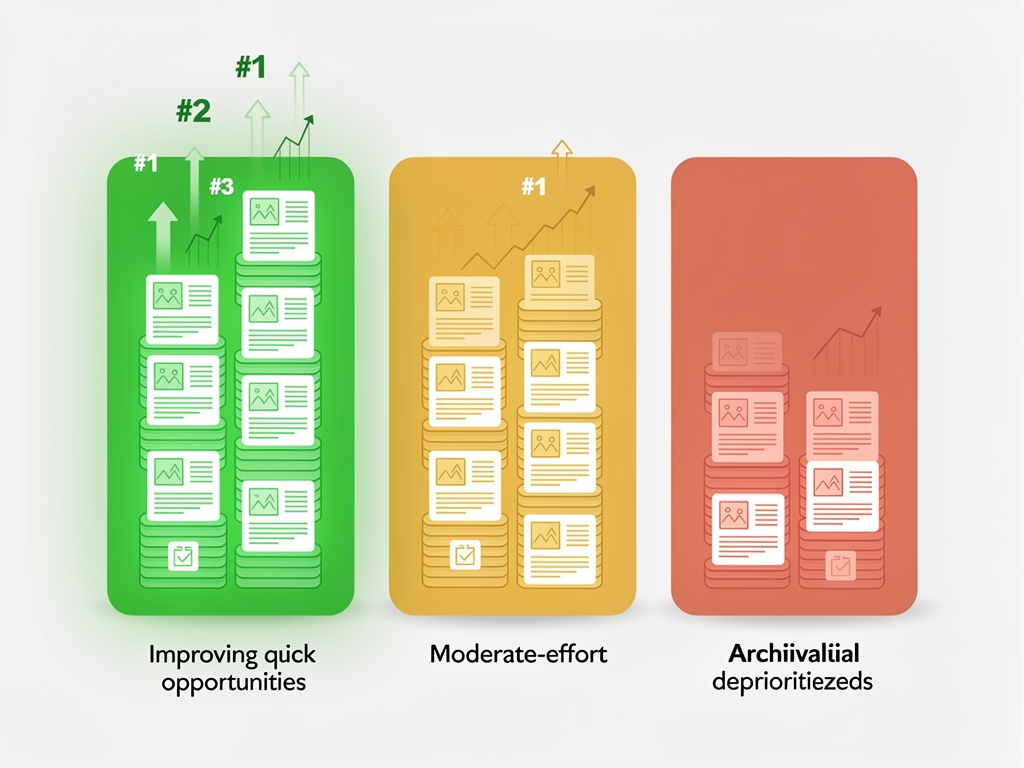
Bucket Two: Strategic Investments contains content with strong historical performance that has declined significantly but still targets valuable keywords. These pieces require more substantial work, potentially including restructuring, significant content additions, or updated research. The investment is higher, but so is the potential payoff when these pieces recover their former traffic levels.
Bucket Three: Archive or Consolidate holds content that never performed well, targets keywords with minimal search volume, or covers topics no longer relevant to your business. Rather than investing resources in refreshing these pieces, consider consolidating multiple weak articles into single comprehensive resources, redirecting to better-performing related content, or simply removing and redirecting to prevent thin content from diluting your site's overall quality signals.
When evaluating content for prioritization, consider metrics including current organic traffic and trend direction, keyword rankings and search volume, backlink count and quality, conversion rate and revenue attribution, content age and last update date, and competitive landscape for target keywords. Tools within platforms like SeoSmart's AI keyword research capabilities can help identify which keywords offer the best opportunities for ranking improvement.
Restructuring Content for AI Extraction and Citation
Making your content extractable by AI systems requires structural engineering, not just surface-level updates. Large language models process content differently than human readers, parsing structure, identifying clear answers, and extracting quotable statements. Content that buries key information in narrative prose becomes difficult for AI systems to cite, even when it contains valuable information.
The concept of extractability centers on how easily AI systems can identify, isolate, and cite specific pieces of information from your content. Highly extractable content features clear headers that signal topic transitions, direct answers positioned prominently within sections, structured data formats like lists and tables, and explicit definitions of key terms and concepts.
Transform narrative-heavy content into extractable structures by implementing several key changes. First, lead each section with a direct answer to the question implied by the header. Instead of building to a conclusion through several paragraphs of context, state the key point immediately and then provide supporting detail. This front-loading approach ensures AI systems can extract your core message even when they only process the beginning of a section.
Second, use question-and-answer formatting where appropriate. Explicit questions followed by clear answers create natural extraction points for AI systems. This format works particularly well for FAQ sections, how-to guides, and educational content where readers seek specific information.
Third, implement clear header hierarchies that enable chunking. Your H2 headers should represent major topic divisions, while H3 headers break those topics into specific subtopics. This hierarchy helps AI systems understand the relationship between different pieces of information and cite the most relevant section for a given query.
Schema Markup Implementation for AI Citation
Schema markup provides explicit signals to search engines and AI systems about the nature and structure of your content. While schema implementation does not guarantee AI citation, it significantly increases the likelihood that your content will be correctly understood and appropriately surfaced in relevant contexts.
Several schema types prove particularly valuable for content seeking AI visibility. Article schema helps search engines understand the basic properties of your content, including author, publication date, modification date, and headline. This schema type should be implemented on virtually all blog content as a baseline.
FAQ schema marks up question-and-answer pairs, making them eligible for rich results and increasing their visibility to AI systems seeking direct answers. When implementing FAQ schema, ensure your questions reflect actual user queries and your answers provide complete, standalone responses.
HowTo schema structures step-by-step instructions in a format that search engines and AI systems can easily parse. This schema type works well for tutorial content, process guides, and instructional articles where users seek actionable guidance.
Author schema and organization schema help establish E-E-A-T signals (Experience, Expertise, Authoritativeness, Trustworthiness) that both traditional search algorithms and AI systems use to evaluate content credibility. Linking author pages to professional profiles, credentials, and other published work strengthens these signals.

Implementation at scale requires systematic approaches. Many content management systems offer plugins or built-in features for schema generation. For WordPress sites, plugins can automate much of the schema implementation process. Platforms designed for automated content publishing with schema markup can handle this technical requirement automatically, ensuring every piece of content includes appropriate structured data without manual intervention.
Entity Optimization and E-E-A-T Engineering
Entity optimization involves ensuring your content clearly establishes relationships between concepts, people, organizations, and topics in ways that both search engines and AI systems can understand. This goes beyond simple keyword usage to encompass how your content demonstrates expertise and authority on its subject matter.
Entity density matters because AI systems build understanding through recognized entities and their relationships. Content that mentions relevant entities, explains their relationships, and demonstrates deep knowledge of a topic signals expertise more effectively than content that merely uses target keywords. When refreshing content, identify the key entities in your topic space and ensure your content addresses them comprehensively.
Building author credibility that AI systems recognize requires several concrete steps. First, create detailed author pages that include professional credentials, relevant experience, published work, and links to authoritative external profiles. Second, ensure consistent author information across all content, using the same name format, bio structure, and linked profiles. Third, build author entity recognition by securing mentions and links from authoritative external sources.
Citation sources signal authority to AI systems. When your content references and links to authoritative sources, it demonstrates research depth and positions your content within a network of trusted information. AI systems track these citation patterns when evaluating which sources to cite in their own responses. Prioritize citations to academic research, industry reports, official documentation, and recognized expert sources.
E-E-A-T Tip: Include first-hand experience signals in your content. Phrases like "in our testing," "based on our analysis of," or "from our experience working with clients" demonstrate the experience component of E-E-A-T that both Google and AI systems increasingly prioritize.
On-Page SEO Updates for AI-Era Search Results
Title tags and meta descriptions require reconsideration when competing with AI Overviews and other AI-generated content in search results. Traditional optimization focused primarily on keyword inclusion and click-through rate optimization. While these factors remain important, additional considerations now apply.
When AI Overviews appear for a query, users often receive substantial information without clicking any result. To earn clicks in this environment, your title and meta description must promise value beyond what the AI summary provides. This might include unique data, specific examples, downloadable resources, interactive tools, or expert perspectives that AI summaries cannot replicate.
Titles that work well in AI-era search often include specific numbers, dates, or credentials that signal freshness and authority. "2024 Guide" performs differently than an undated title. "Based on Analysis of 10,000 Campaigns" signals depth that AI summaries cannot match. "By [Recognized Expert Name]" leverages author authority to differentiate from AI-generated content.
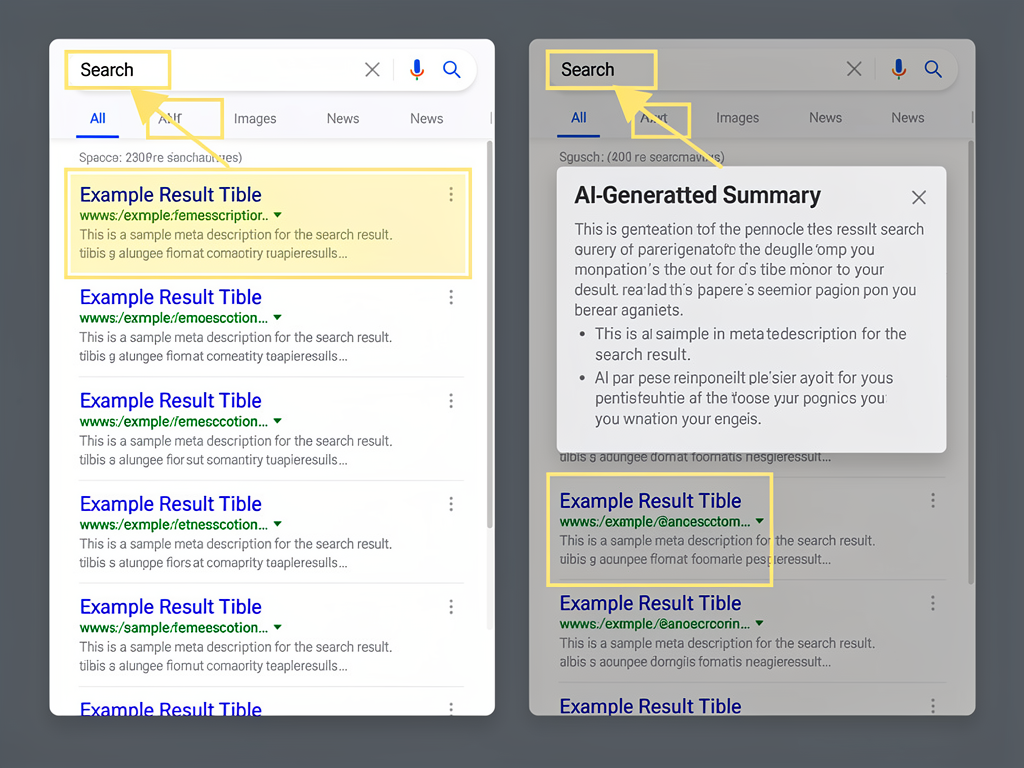
Meta descriptions should explicitly state what unique value readers will find in your content. Rather than generic summaries, use meta descriptions to highlight specific takeaways, exclusive data, or actionable frameworks that justify the click even when users have already seen an AI-generated summary of the topic.
Internal linking optimization during content refreshes serves multiple purposes. It distributes page authority throughout your site, helps search engines understand topical relationships, and guides users to related content that deepens engagement. When refreshing content, audit existing internal links for relevance and add new links to recently published related content.
Internal Linking Strategies to Prevent Cannibalization
Content refreshes can inadvertently create or exacerbate keyword cannibalization issues if not handled carefully. Cannibalization occurs when multiple pages on your site compete for the same keywords, diluting the authority of each and potentially harming rankings for all affected pages.
Before refreshing content, audit your site for existing pages targeting similar keywords. Tools like Screaming Frog, Ahrefs, or SEMrush can identify pages ranking for overlapping keyword sets. When you find potential cannibalization, decide which page should serve as the primary target for each keyword cluster and adjust your refresh strategy accordingly.
Link architecture that maximizes equity flow follows clear hierarchical patterns. Your most important pages for a given topic should receive the most internal links from related content. Supporting pages should link up to these pillar pages while also linking horizontally to related supporting content. This hub-and-spoke model concentrates authority on your most important pages while maintaining logical navigation paths for users.
During content refreshes, update internal links throughout your site, not just on the page being refreshed. When you significantly improve a piece of content, it may deserve more prominent internal linking from other relevant pages. Conversely, if you consolidate multiple weak pages into a single strong resource, update all internal links pointing to the consolidated pages to direct to the new comprehensive version.
Anchor text diversity matters for internal linking just as it does for external backlinks. Avoid using the same anchor text for every internal link to a given page. Vary your anchor text to include different keyword variations, descriptive phrases, and natural language references that reflect how users might describe the linked content.
Publication Date Handling and Freshness Signals
How you handle publication dates during content refreshes sends important signals to both search engines and users. There is no single correct approach; the right strategy depends on the nature of your updates and the expectations of your audience.
For substantial updates that significantly change the content, updating the publication date to reflect the refresh date is generally appropriate. This signals freshness to search engines and users while accurately representing when the current version of the content was created. Many content management systems allow you to update the published date while preserving the original publication date in a separate field.
For minor updates like fixing typos, updating a few statistics, or adding a small new section, maintaining the original publication date while adding a "last updated" notation often works better. This approach preserves the content's historical context while still signaling that the information has been recently verified.

Whatever approach you choose, consistency matters. Establish clear guidelines for your content team about when to update publication dates and when to use last-updated notations. Document these guidelines and apply them consistently across all content refreshes to maintain user trust and clear signaling to search engines.
Schema markup should reflect your date handling approach. If you update the publication date, your Article schema should reflect the new date. If you maintain the original publication date and add a last-updated notation, include both the datePublished and dateModified properties in your schema to give search engines complete information about your content's timeline.
Measuring Success: Traditional Metrics and AI Visibility Tracking
Traditional Search Console metrics remain essential for measuring content refresh success, but they no longer tell the complete story. A comprehensive measurement approach must track both traditional search performance and AI visibility to understand true content health.
In Search Console, monitor impressions, clicks, click-through rate, and average position for your refreshed content. Expect to see changes within two to four weeks for minor updates, though significant ranking improvements may take longer. Watch for the pattern of stable or increasing impressions combined with declining clicks, which often indicates AI Overview competition rather than traditional ranking loss.
Beyond Search Console, track engagement metrics like time on page, scroll depth, and conversion rate. A content refresh that improves rankings but decreases engagement may indicate a mismatch between your content and current user expectations. Conversely, improved engagement metrics even without ranking gains suggest your refresh successfully addressed user needs and may lead to ranking improvements over time.
| Metric Category | What to Track | What It Indicates |
|---|---|---|
| Traditional SEO | Rankings, impressions, clicks, CTR | Search visibility and click performance |
| Engagement | Time on page, scroll depth, bounce rate | Content quality and relevance |
| Conversion | Lead generation, email signups, purchases | Business value of traffic |
| AI Visibility | Citation tracking, mention monitoring | Presence in AI-generated responses |
AI visibility tracking requires new tools and approaches. Manual monitoring involves regularly querying AI systems like ChatGPT, Perplexity, and Google's AI features with keywords relevant to your refreshed content and noting whether your content is cited. While time-consuming, this provides direct visibility into AI citation patterns.
Emerging tools specifically designed for AI citation tracking can automate this monitoring process. These tools query multiple AI systems, track citation patterns over time, and alert you to changes in AI visibility. As AI search grows in importance, expect this tool category to expand significantly.
Scaling Content Refresh with AI-Powered Tools
Refreshing content at scale presents significant resource challenges for most content teams. A site with hundreds or thousands of blog posts cannot realistically refresh each piece through manual processes alone. AI-powered tools can dramatically accelerate the refresh process while maintaining quality standards.
AI writing assistants can help with several aspects of content refresh. They can identify outdated statistics and suggest current replacements, expand thin sections with additional relevant information, restructure narrative content into more extractable formats, and generate FAQ sections based on common questions about the topic. The key is using AI as an accelerator while maintaining human oversight for accuracy and brand voice.
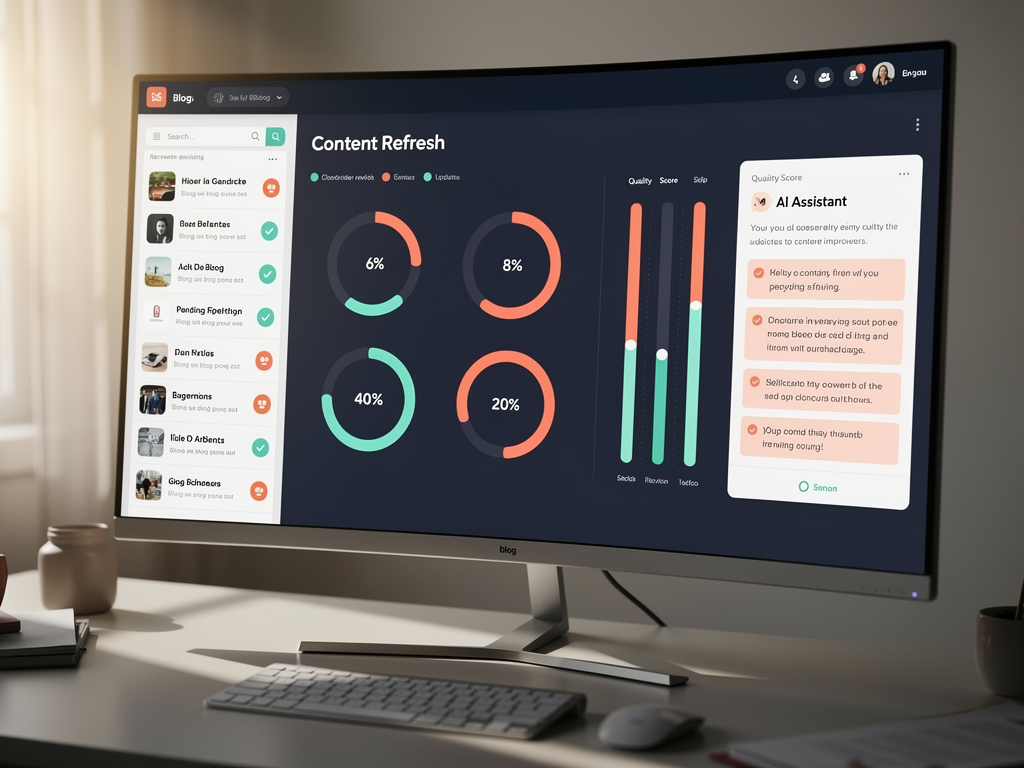
Platforms like SeoSmart offer integrated workflows for content creation and refresh that include AI-powered writing, automatic image generation, schema markup implementation, and direct publishing to popular content management systems. These integrated approaches eliminate the friction of moving between multiple tools and ensure consistent implementation of SEO best practices across all content.
When implementing AI-assisted content refresh at scale, establish clear quality control processes. Human review should verify factual accuracy, ensure brand voice consistency, check for AI-generated errors or hallucinations, and confirm that refreshed content genuinely improves upon the original. AI acceleration without quality control risks publishing content that damages rather than enhances your site's reputation.
Common Mistakes to Avoid During Content Refresh
Even well-intentioned content refresh efforts can backfire when common mistakes undermine the process. Understanding these pitfalls helps you avoid them and maximize the return on your refresh investment.
Changing URLs unnecessarily destroys accumulated link equity and requires redirect implementation that inevitably loses some authority. Unless a URL is fundamentally problematic (containing outdated dates, incorrect categories, or broken structures), maintain the existing URL and update the content in place.
Removing content that still has value sometimes happens when teams aggressively prune their content libraries. Before removing any content, check for existing backlinks, current traffic (even if minimal), and ranking keywords. Content with any of these signals may be worth refreshing rather than removing.
Ignoring search intent changes leads to refreshes that update surface-level elements while missing fundamental misalignment between content and current user expectations. Before refreshing any content, analyze the current SERP for target keywords to understand what type of content Google currently favors.

Refreshing too superficially wastes resources on changes too minor to impact rankings. Updating a few statistics or adding a paragraph rarely moves the needle. Effective refreshes typically involve substantial additions, structural improvements, and comprehensive updates that meaningfully improve the content's value to readers.
Failing to update internal links throughout your site means refreshed content does not receive the internal link equity it deserves. When you significantly improve a piece of content, audit your site for opportunities to add internal links from related pages.
Neglecting promotion after refresh limits the impact of your improvements. Refreshed content deserves promotion through email newsletters, social media, and other channels just as new content does. This promotion drives initial engagement signals that can accelerate ranking improvements.
Building a Sustainable Content Refresh Workflow
One-time content refresh projects deliver temporary benefits, but sustainable competitive advantage requires ongoing refresh processes integrated into your content operations. Building this capability requires systems, schedules, and clear ownership.
Establish a regular content audit cadence appropriate to your publishing volume and competitive landscape. Monthly audits work well for high-volume publishers, while quarterly audits may suffice for sites publishing less frequently. During each audit, identify content showing signs of decay and prioritize refresh candidates using the three-bucket framework discussed earlier.
Create standardized refresh checklists that ensure consistent implementation across all content updates. Your checklist should include steps for research and intent analysis, content updates and additions, structural improvements for AI extractability, schema markup verification, internal link optimization, meta data updates, and publication date handling. Standardization ensures quality while enabling team members to execute refreshes efficiently.
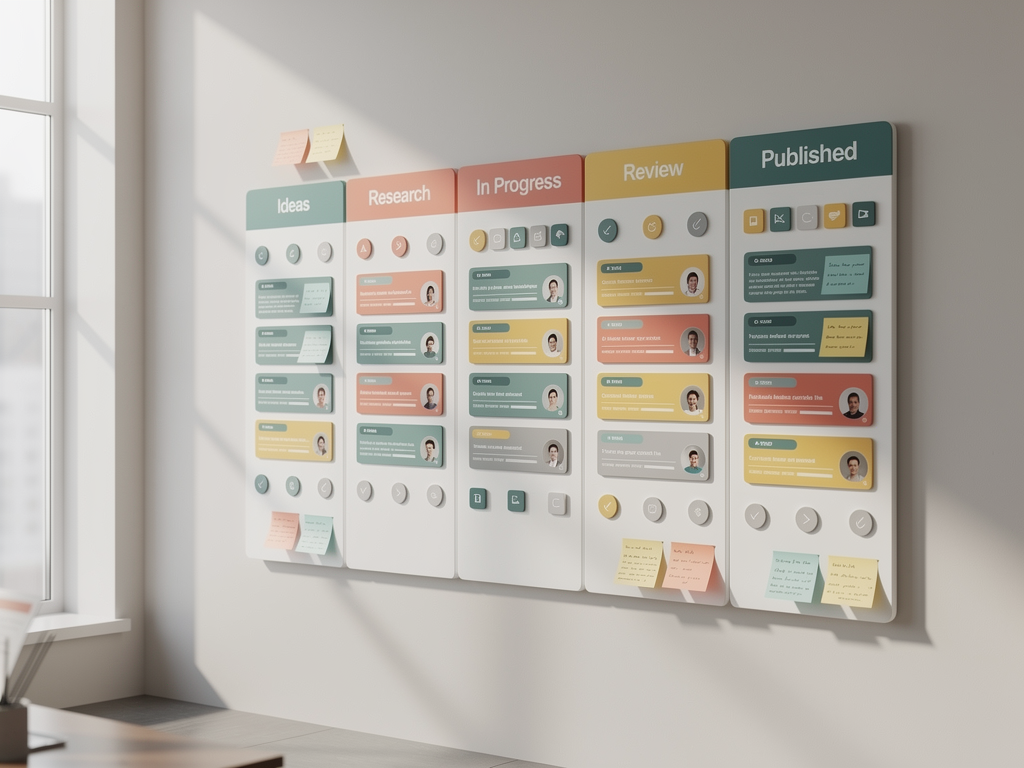
Assign clear ownership for content refresh within your organization. Whether this responsibility sits with content strategists, SEO specialists, or dedicated content maintenance roles, someone must be accountable for identifying refresh opportunities and ensuring they are executed. Without clear ownership, content refresh tends to be perpetually deprioritized in favor of new content creation.
Track refresh ROI to justify continued investment in content maintenance. Document the before and after performance of refreshed content, calculate the traffic and conversion gains attributable to refreshes, and compare the cost-per-result of refresh versus new content creation. This data helps secure ongoing resources for content maintenance and demonstrates the value of treating your content library as an asset requiring ongoing investment.
Advanced Strategies for Competitive Content Refresh
Beyond basic refresh techniques, advanced strategies can help you gain competitive advantage through more sophisticated approaches to content improvement. These strategies require more resources but can deliver outsized returns for high-value content.
Competitive gap analysis involves systematically comparing your content against top-ranking competitors for target keywords. Identify topics, subtopics, and questions that competitors address but your content does not. Use these gaps as a roadmap for content expansion during refresh, ensuring your updated content is more comprehensive than competing pages.
Original research integration differentiates your content in ways that competitors cannot easily replicate. During content refresh, look for opportunities to add proprietary data, survey results, case studies, or analysis that only your organization can provide. This original content attracts backlinks, increases citation likelihood, and provides value that AI summaries cannot replace.

Expert contribution integration strengthens E-E-A-T signals while adding unique perspectives to your content. Reach out to recognized experts in your topic area for quotes, insights, or contributed sections. These expert contributions add credibility, provide unique content, and often result in social sharing and backlinks from the contributing experts.
Multimedia enhancement addresses the growing importance of diverse content formats. During refresh, consider adding custom graphics, data visualizations, embedded videos, interactive elements, or downloadable resources. These additions increase engagement, provide value beyond text content, and create assets that can be shared and linked independently.
Using an ai rewrite approach strategically can help transform outdated content into fresh, relevant material while preserving the core value and accumulated authority of the original piece. The key is ensuring that rewritten content genuinely improves upon the original rather than simply rephrasing existing information.
Future-Proofing Your Content for Evolving Search Landscapes
The search landscape continues evolving rapidly, with AI integration accelerating changes in how users discover and consume content. Future-proofing your content refresh strategy requires anticipating these changes and building adaptable processes.
Voice search and conversational AI will continue growing in importance, favoring content structured for natural language queries and direct answers. Refresh strategies should increasingly prioritize conversational formatting, question-and-answer structures, and content that addresses the full context of user queries rather than isolated keywords.
Multimodal search combining text, image, and video understanding will change how search engines evaluate content comprehensiveness. Content refresh should increasingly incorporate diverse media types, ensuring that articles include relevant images, videos, and other formats that demonstrate comprehensive topic coverage.

Personalization and context-aware search will deliver increasingly customized results based on user history, location, and intent signals. Content that addresses multiple user contexts and provides clear value for specific audience segments will perform better than generic content attempting to serve all users equally.
Building adaptability into your content refresh processes means establishing monitoring systems that detect changes in search behavior, maintaining flexibility in your content structures, and cultivating the capability to respond quickly when new optimization opportunities emerge. The organizations that thrive in evolving search landscapes will be those that treat content refresh as an ongoing strategic capability rather than a periodic project.
Conclusion
Reclaiming lost rankings through strategic content refresh represents one of the highest-ROI activities available to content marketers and SEO professionals. Your existing content library contains accumulated authority, backlinks, and historical performance data that new content cannot match. By systematically identifying decaying content, prioritizing refresh candidates, and implementing comprehensive updates optimized for both traditional and AI-powered search, you can extract significantly more value from your content investments.
The dual visibility challenge of modern search requires new thinking about content optimization. Success now demands attention to both traditional ranking factors and AI citation patterns, with structural changes that make content extractable by large language models while remaining valuable to human readers. Schema markup, entity optimization, and E-E-A-T engineering have become essential components of effective content refresh strategies.
Building sustainable content refresh capabilities requires systematic processes, clear ownership, and ongoing measurement. Organizations that treat content maintenance as a strategic priority will increasingly outperform those that focus exclusively on new content creation. The tools and techniques exist to refresh content efficiently at scale; the competitive advantage goes to those who implement them consistently.
Start by auditing your existing content library to identify high-priority refresh candidates. Implement the frameworks and techniques outlined in this guide, measure results carefully, and iterate based on what you learn. Your content archive represents a valuable asset waiting to be optimized; the strategies in this guide will help you unlock its full potential.
Frequently Asked Questions
How long does it take for a refreshed blog post to rank better?
The timeline for seeing ranking improvements after a content refresh varies based on several factors, including the extent of your changes, your site's overall authority, and the competitiveness of target keywords. For minor updates like refreshing statistics or adding small sections, you might see changes reflected in Search Console within two to four weeks as Google recrawls and reindexes the content. More substantial refreshes involving significant content additions, structural changes, and improved optimization typically show meaningful ranking movement within four to eight weeks. However, highly competitive keywords may require longer timeframes, sometimes three to six months, before you see the full impact of your refresh efforts. Monitor both ranking positions and click-through rates during this period, as improvements in one metric often precede improvements in the other.
Should I update or completely rewrite my old blog posts?
The decision between updating and rewriting depends primarily on the current state of your content and its accumulated authority. Choose to update when your content has meaningful backlinks, currently ranks (even if not in top positions), and the core premise remains valid for current search intent. Updates preserve URL equity while addressing specific areas of decay. Choose to rewrite when the original content fundamentally misses current search intent, the topic has evolved so dramatically that the existing structure cannot accommodate necessary changes, or the content quality is too low to salvage through incremental improvements. As a general rule, if your content has accumulated backlinks and any ranking history, start with an update approach and only move to a complete rewrite if updates prove insufficient. Preserving existing URL equity almost always outweighs the benefits of starting fresh.
How do I structure content so AI systems will cite it?
AI systems prefer content with clear, extractable structures that make it easy to identify and isolate specific pieces of information. Start each section with a direct answer to the question implied by the header rather than building to conclusions through narrative. Use explicit question-and-answer formatting where appropriate, as this creates natural extraction points. Implement clear header hierarchies with H2 tags for major topics and H3 tags for subtopics, helping AI systems understand relationships between information. Include structured formats like bulleted lists, numbered steps, and comparison tables that present information in easily parseable formats. Add FAQ sections with schema markup that explicitly structure question-answer pairs. Finally, ensure your content includes specific, quotable statements with concrete data, statistics, or definitive answers rather than hedged or vague language that AI systems cannot confidently cite.
What schema markup helps with AI search rankings?
Several schema types prove particularly valuable for AI visibility. Article schema should be implemented on all blog content as a baseline, providing search engines with information about author, publication date, modification date, and headline. FAQ schema marks up question-and-answer pairs, making them eligible for rich results and increasing visibility to AI systems seeking direct answers. HowTo schema structures step-by-step instructions in formats that AI systems can easily parse and cite. Author schema and Organization schema help establish E-E-A-T signals that both traditional algorithms and AI systems use to evaluate credibility. When implementing schema, ensure your markup accurately reflects your content, includes all recommended properties, and validates without errors using Google's Rich Results Test. Proper schema implementation does not guarantee AI citation, but it significantly increases the likelihood that your content will be correctly understood and appropriately surfaced.
How do I measure if my content is being cited by AI systems?
Measuring AI visibility requires approaches beyond traditional Search Console metrics. Start with manual monitoring by regularly querying AI systems like ChatGPT, Perplexity, Google AI Overviews, and Claude with keywords relevant to your content, noting whether your content appears in responses. Track patterns over time to identify which content types and topics receive citations. Look for indirect indicators in your analytics, such as referral traffic from AI platforms, unusual traffic patterns that might indicate AI-driven discovery, or brand mention increases without corresponding traditional search ranking changes. Emerging specialized tools can automate AI citation tracking by querying multiple AI systems and monitoring citation patterns over time. As AI search grows in importance, expect this tool category to expand significantly. For now, combining manual monitoring with indirect analytics indicators provides the most complete picture of AI visibility.
Will changing my blog post URL hurt my rankings?
Changing a blog post URL will typically result in some ranking disruption and authority loss, even with proper redirect implementation. A 301 redirect passes the majority of link equity to the new URL, but some authority is inevitably lost in the process. Additionally, the redirect itself requires search engines to recrawl and reprocess the content, creating a period of uncertainty during which rankings may fluctuate. For these reasons, best practice is to maintain existing URLs whenever possible and update content in place. Only change URLs when absolutely necessary, such as when the current URL contains fundamentally problematic elements like outdated dates that cannot be removed, incorrect category structures, or technical issues preventing proper indexing. If you must change a URL, implement 301 redirects immediately, update all internal links to point directly to the new URL, and monitor Search Console for crawl errors and ranking changes during the transition period.
Ready to Reclaim Your Lost Rankings?
Refreshing your content library manually can be overwhelming, especially when you are managing dozens or hundreds of blog posts that need attention. SeoSmart helps you create brand-tailored, SEO-optimized articles with AI-generated images, proper schema markup, and automatic publishing to your CMS. Whether you are refreshing existing content or building new comprehensive resources, our platform streamlines the entire process so you can focus on strategy while we handle execution. Start with 500 free credits and see how AI-powered content creation can transform your content refresh workflow.
Subscribe to our newsletter
Subscribe to our newsletter and stay up-to-date with the latest news and updates.