Answer Engine Optimization: Preparing for AI Search in 2026
Discover how AI assistants like ChatGPT and Google Gemini transform online search. Learn how answer engine optimization can keep your content visible in AI-generated responses, ensuring your brand is cited as a trusted source.

Zakariae

The way people discover information online is undergoing its most significant transformation since the advent of mobile search. AI assistants like ChatGPT, Google Gemini, Perplexity AI, and Microsoft Copilot now answer questions directly, synthesizing information from multiple sources and presenting users with comprehensive responses before they ever click a link. For SEO agencies, content marketers, and business owners who have spent years mastering traditional search optimization, this shift demands an entirely new strategic approach. Welcome to the era of answer engine optimization, where success is measured not by ranking positions alone, but by whether AI systems cite your content as a trusted source when generating responses.
This comprehensive guide will walk you through everything you need to know about preparing your content strategy for AI search in 2026. Whether you manage SEO for enterprise clients, run content operations for a B2B company, or handle marketing for your own e-commerce store, the principles outlined here will help you maintain visibility in an increasingly AI-mediated search landscape. The brands that adapt now will capture attention at the moment decisions are made, while those who wait risk becoming invisible to a growing segment of their audience.
Key Takeaways
- AEO complements rather than replaces traditional SEO, focusing on earning citations in AI-generated answers rather than just ranking in search results.
- AI answer engines favor content that leads with clear, direct responses and supports claims with evidence, structured data, and authoritative sourcing.
- Third-party mentions and earned media significantly influence AI recommendations, with research showing 82% of AI citations come from earned media sources.
- Content structure matters more than ever, as AI systems extract information rather than simply indexing pages for keyword relevance.
- Entity clarity and topical authority help AI systems understand and trust your brand as a credible source on specific subjects.
- Measurement requires new metrics including citation tracking, AI referral traffic, and brand mention monitoring across AI platforms.
- Implementation timelines are faster than traditional SEO, with AI visibility improvements often appearing within 2 to 8 weeks rather than 3 to 6 months.
Understanding the Shift from Search Engines to Answer Engines
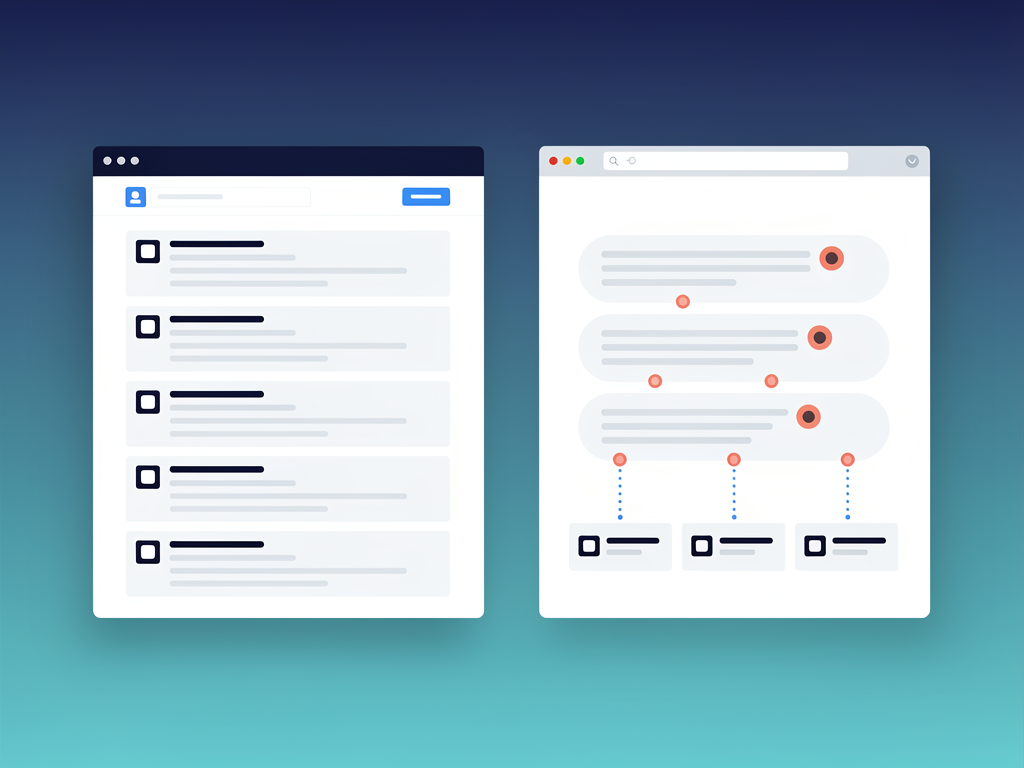
Traditional search engines present users with a list of links and let them choose which sources to explore. Answer engines fundamentally change this dynamic by synthesizing information from multiple sources and delivering a direct response. When someone asks ChatGPT for the best project management software for remote teams or queries Perplexity about content marketing strategies, these systems do not simply return a list of websites. They analyze available information, identify the most relevant and trustworthy sources, and compose a comprehensive answer that may include specific brand recommendations and citations.
This transformation has accelerated dramatically. According to industry data, ChatGPT reached 900 million monthly users by late 2025, while Google Gemini surpassed 650 million users. These numbers represent a significant shift in how people access information online. While Google Search maintains dominance with over 4 billion users, the growth of AI platforms means that visibility now requires optimization across multiple discovery surfaces rather than focusing exclusively on traditional search results.
The implications for content creators and marketers are profound. A page can rank well in traditional search results yet never appear when AI systems generate answers. Conversely, content might earn frequent citations in AI responses even when it does not drive direct website visits. This decoupling of rankings and visibility requires a fundamental rethinking of content strategy, measurement, and success metrics.
How AI Answer Engines Select and Cite Sources
Understanding the mechanics behind AI source selection is essential for developing an effective optimization strategy. Large language models like those powering ChatGPT and Gemini generate responses through two primary mechanisms that work together to produce accurate, helpful answers.
The first mechanism involves pattern prediction based on training data. LLMs predict the most likely sequence of words based on patterns learned during their training phase. This approach works well for established knowledge and frequently discussed topics where substantial information exists in the training corpus. However, it becomes problematic for current events, niche topics, or rapidly evolving subjects where training data may be outdated or insufficient.
The second mechanism, called Retrieval Augmented Generation (RAG), addresses these limitations by incorporating live web search. When a user asks a question, the AI system runs web searches to find relevant sources, extracts useful passages from each page, and synthesizes them into a cohesive answer with citations. Major AI chatbots including Gemini, ChatGPT, and Perplexity all employ this approach to ground their responses in current, verifiable information.
This RAG process resembles traditional search in important ways, which means solid SEO fundamentals remain valuable. However, the selection criteria differ from traditional ranking factors. AI systems evaluate sources based on:
- Answer clarity: Does the content provide a direct, extractable response to the question?
- Evidence quality: Are claims supported by data, examples, or authoritative references?
- Entity recognition: Can the AI clearly identify what the content is about and who created it?
- Freshness: Research indicates half of all AI citations come from content published within the previous 11 months.
- Cross-source validation: Does information appear consistently across multiple trustworthy sources?
The Critical Differences Between SEO and AEO
While SEO and AEO share common foundations in quality content and technical optimization, they diverge significantly in objectives, tactics, and success metrics. Understanding these differences helps marketers allocate resources effectively and develop strategies that perform across both traditional and AI-mediated search.
| Factor | Traditional SEO | Answer Engine Optimization |
|---|---|---|
| Primary Goal | Rank high in search results, drive clicks | Be cited as the direct answer source |
| Content Approach | Keywords, backlinks, technical optimization | Structured data, clear answers, entity clarity |
| User Action | Click through to website | Consume answer directly, may not click |
| Success Metrics | Traffic, rankings, conversions | Citations, AI mentions, brand authority |
| Time to Results | Typically 3 to 6 months | Often 2 to 8 weeks for AI inclusion |
| Competition Model | Ten blue links, featured snippets | Limited citations in synthesized answers |
| Authority Signals | Backlinks, domain authority | Entity associations, cross-platform mentions |
The table above highlights why an SEO strategy focused exclusively on rankings misses a growing share of decision-making moments. When AI systems answer questions before users click any link, the opportunity to influence decisions shifts from your website to the AI response itself. Pairing traditional SEO with AEO ensures your content shows up both in search results and in the AI-generated answers that increasingly appear above them.
Strategic Insight: AEO does not replace SEO. Instead, it adds a new dimension to visibility strategy. The most effective approach integrates both disciplines, recognizing that strong SEO fundamentals support AI visibility while AEO-specific tactics ensure your content gets selected when AI systems compose answers.
Building Entity Clarity for AI Recognition
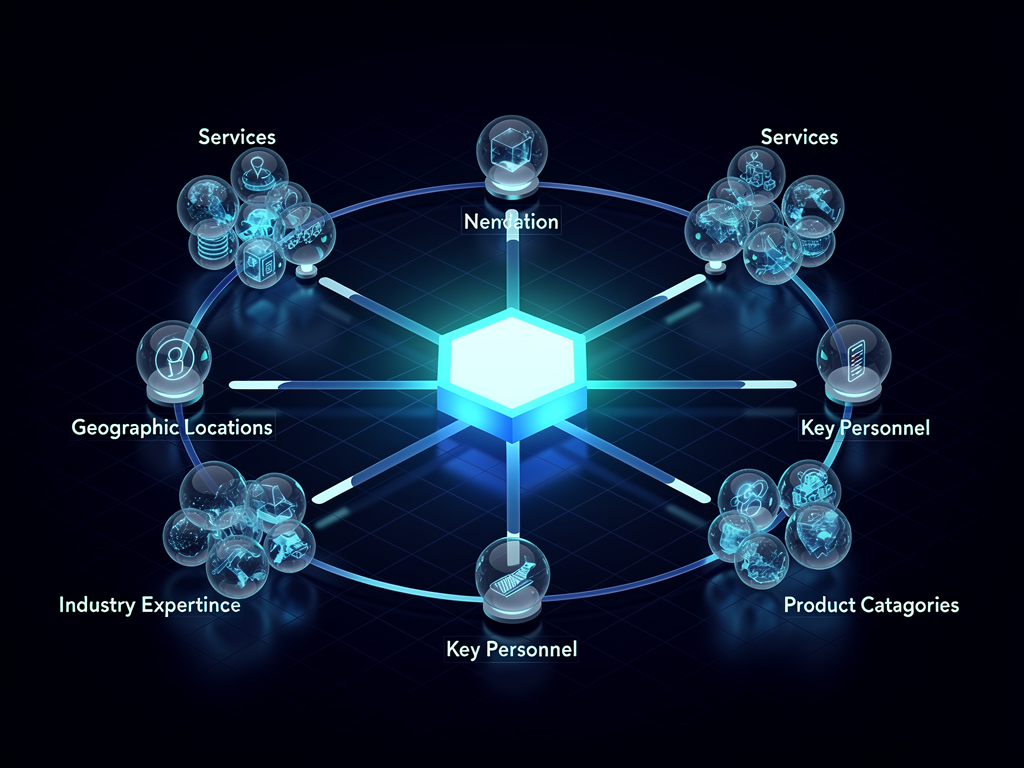
AI systems rely on clearly defined entities to understand what content is about and who created it. An entity in this context refers to any distinct, well-defined concept: a brand, a person, a product, a location, or a topic. When your brand consistently appears alongside specific topics and claims across multiple sources, AI systems become more likely to treat your brand as a relevant and authoritative answer for related queries.
Establishing entity clarity requires deliberate effort across multiple dimensions. First, ensure your website clearly defines your brand identity, including what you do, who you serve, and what makes you distinctive. This information should appear prominently and consistently across your homepage, about page, and service descriptions. Avoid vague marketing language that sounds impressive but fails to communicate specific, extractable facts.
Second, maintain consistency in how your brand appears across the web. Use the same name, descriptions, and key messaging on your website, social profiles, directory listings, and third-party mentions. Inconsistency confuses AI systems and weakens the associations they form between your brand and relevant topics.
Third, implement structured data markup that reinforces your entity information. Schema markup for organizations, products, services, and authors helps AI systems understand the relationships between different elements of your content. This technical layer provides machine-readable context that supports the visible content on your pages.
Structuring Content for AI Extractability
When AI systems scan your content, they look for information that can be confidently extracted and presented as a direct answer. This requires a different approach to content structure than traditional web writing, which often prioritizes engagement and persuasion over clarity and extractability.
The most effective structure for AEO follows a lead with the answer approach. Instead of building toward a conclusion through narrative or argument, start with a clear, direct response to the question your content addresses. Follow this with supporting evidence, context, and elaboration. This inverted pyramid structure allows AI systems to extract the core answer quickly while still providing depth for readers who want more detail.
Consider the difference between these two approaches to the same topic:
Traditional approach: "When it comes to choosing the right content management system for your business, there are many factors to consider. The landscape has evolved significantly over the past decade, with new options emerging to address different needs and use cases. Understanding your specific requirements is the first step in making an informed decision..."
AEO-optimized approach: "The best content management system for small businesses in 2026 is WordPress, which powers 43% of all websites and offers the strongest combination of flexibility, plugin ecosystem, and community support. For enterprises requiring advanced security and scalability, Drupal or Adobe Experience Manager provide more robust options. Here is how to evaluate which CMS fits your specific needs..."
The second approach provides an extractable answer immediately, then elaborates with supporting detail. AI systems can confidently cite this content because the core information is clear and specific rather than buried in introductory context.
Formatting Elements That Support Extraction
Beyond overall structure, specific formatting choices improve AI extractability:
- Use descriptive headings that clearly indicate the content of each section. Headings should function as questions or topic labels that AI can match to user queries.
- Include definition statements that explicitly explain key concepts. Phrases like "X is defined as..." or "X refers to..." provide clear extraction points.
- Present comparisons in tables that organize information in easily parseable formats. Tables work particularly well for product comparisons, feature lists, and pros/cons analyses.
- Use numbered lists for processes and bulleted lists for features or options. Lists signal discrete, extractable items rather than flowing prose.
- Include specific data points such as statistics, percentages, prices, and timeframes. Concrete details are more extractable than general claims.
Developing Topical Authority Through Comprehensive Coverage
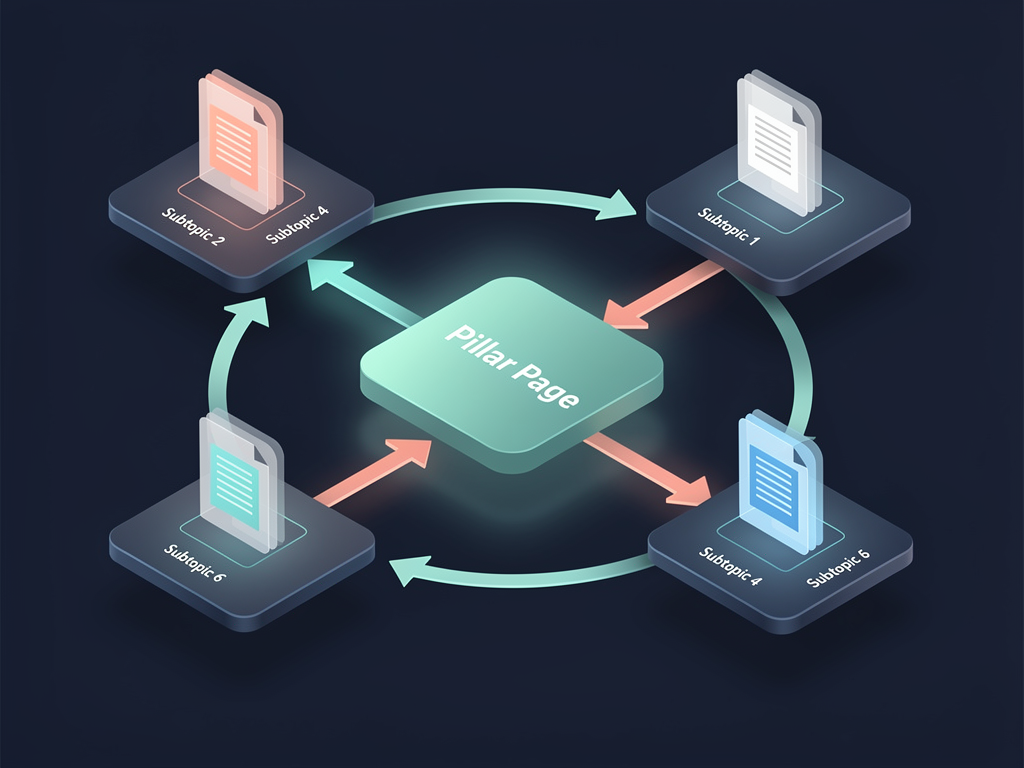
AI systems evaluate not just individual pages but entire websites when determining source credibility. A site that covers a topic comprehensively across multiple related pages signals deeper expertise than one with isolated articles on various subjects. This topical authority influences whether AI systems select your content when generating answers.
Building topical authority requires strategic content planning that addresses a subject from multiple angles. For example, a company offering project management software should create content covering:
- Core product features and use cases
- Comparison guides against competitors
- Implementation and onboarding guides
- Best practices for different industries or team sizes
- Integration tutorials with related tools
- Case studies demonstrating real-world results
- Thought leadership on project management trends
This comprehensive coverage creates a content ecosystem where pages reinforce each other and collectively establish the site as an authoritative source on project management topics. When AI systems encounter queries related to this subject, they find multiple relevant pages from the same source, strengthening confidence in that source's expertise.
Internal linking plays a crucial role in demonstrating topical relationships. Connect related content through contextual links that help both users and AI systems understand how different pieces fit together. A well-structured internal linking architecture signals that your site offers depth on a subject rather than superficial coverage of many unrelated topics.
The Role of Third-Party Mentions and Earned Media
One of the most significant findings from recent research into AI citation patterns is the importance of third-party mentions. According to analysis of over one million citations across ChatGPT, Gemini, Claude, and other AI systems, 82% of links cited by AI come from earned media sources, including journalistic coverage and third-party blogs. Approximately 25% of all citations come from journalism specifically, underscoring the continued relevance of news media in AI-generated answers.
This data reveals that optimizing your own website, while necessary, is insufficient for comprehensive AI visibility. Your brand must also appear across external sources that AI systems trust and frequently cite. This makes public relations and digital PR essential components of an AEO strategy rather than separate marketing functions.
Several types of third-party content particularly influence AI recommendations:
- Industry publications and trade media that cover your sector and mention your brand in relevant contexts
- Listicle articles that compare products or services in your category and include your brand among the options
- Expert roundups and interviews where your team members contribute insights on industry topics
- Review platforms where customers discuss their experiences with your products or services
- Press releases distributed through reputable channels, which saw citation rates increase fivefold between July and December 2025
- Community discussions on platforms like Reddit where your brand appears in authentic conversations
Freshness matters significantly for third-party mentions. Research indicates that half of all AI citations come from content published within the previous 11 months, with the highest citation rates occurring within the first seven days of publication. This means ongoing PR and content distribution efforts are necessary to maintain AI visibility rather than relying on older coverage.
Implementing Schema Markup for AI Understanding
Schema markup provides machine-readable context that helps AI systems understand the meaning and relationships within your content. While schema has long been valuable for traditional SEO and rich snippets, its importance increases in an AI-driven search environment where systems must accurately interpret content to generate reliable answers.
Effective schema implementation for AEO focuses on several key markup types:
Organization schema establishes your brand as a recognized entity with specific attributes including name, logo, contact information, and social profiles. This foundational markup helps AI systems identify your brand consistently across the web.
Article schema provides context about individual content pieces including author, publication date, and topic. Author information is particularly important as AI systems increasingly evaluate content credibility based on who created it.
FAQ schema marks up question-and-answer content in a format that AI systems can easily extract. When your content directly addresses common questions in your industry, FAQ schema signals that these answers are available and structured for extraction.
Product schema provides detailed information about products including features, pricing, availability, and reviews. For e-commerce sites, comprehensive product schema helps AI systems accurately describe and recommend your offerings.
HowTo schema structures instructional content into clear steps that AI can present as procedural answers. This markup is valuable for tutorial and guide content that addresses how-to queries.
Implementation Note: Schema markup must reflect visible content accurately. AI systems cross-reference structured data against page content, and discrepancies can reduce trust. Ensure your schema describes what actually appears on the page rather than aspirational or promotional claims.

Creating Content That Addresses Follow-Up Questions
AI conversations rarely end with a single query. Users ask follow-up questions, request clarification, and explore related topics in conversational threads. Content that anticipates and addresses these follow-up questions is more likely to remain cited throughout extended AI interactions rather than appearing only in initial responses.
Developing content for follow-up questions requires understanding the typical progression of user inquiries on your topics. For most subjects, questions follow predictable patterns:
- Definition and overview: What is X? How does X work?
- Comparison and evaluation: What is the best X? How does X compare to Y?
- Implementation and application: How do I use X? What are the steps to implement X?
- Troubleshooting and optimization: Why is X not working? How can I improve X?
- Advanced and edge cases: Can X do Y? What are the limitations of X?
Comprehensive content addresses multiple stages of this question progression within a single resource or across a connected content cluster. When AI systems can find answers to follow-up questions from the same source, they are more likely to continue citing that source throughout the conversation.
Structuring content with clear section headings that match common question patterns improves the likelihood of citation for specific follow-up queries. If a user asks a follow-up question and your content has a heading that directly addresses it, AI systems can extract that specific section as a targeted answer.
Measuring AEO Success with New Metrics
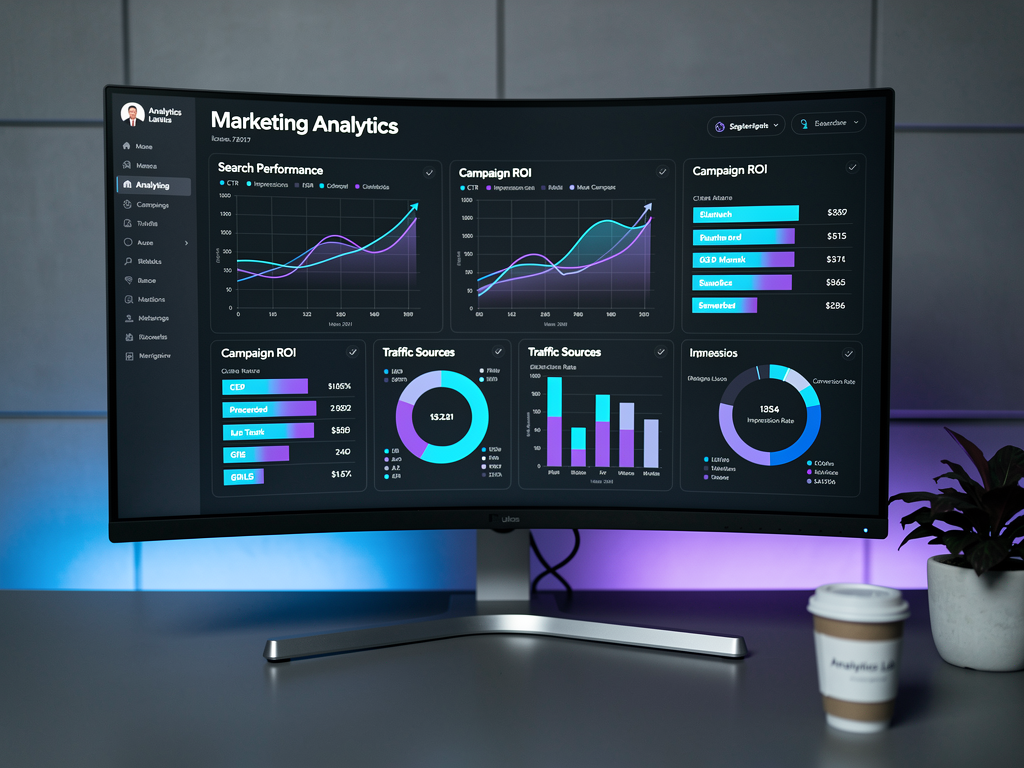
Traditional SEO metrics like rankings, organic traffic, and click-through rates remain valuable but do not fully capture AEO performance. When users receive answers without clicking through to your site, traffic-based metrics undercount your actual visibility and influence. Developing new measurement approaches is essential for understanding and optimizing AI search performance.
Several metrics and tools help track AEO success:
Citation monitoring tracks when and how AI systems cite your content. Tools like Semrush's AI Overviews tracking and specialized monitoring platforms can identify when your brand appears in AI-generated responses across different platforms.
AI referral traffic measures visits that originate from AI platforms. While not all AI interactions generate clicks, those that do represent high-intent users who specifically chose to visit your site after seeing your content cited. Monitor referral traffic from sources like chat.openai.com, perplexity.ai, and similar platforms.
Brand mention tracking monitors how frequently your brand appears in AI responses across different query types. This helps identify topics where you have strong AI visibility and gaps where competitors may be capturing citations.
Query testing involves regularly asking AI systems questions relevant to your business and documenting whether and how your brand appears in responses. While not scalable as a primary metric, periodic testing provides qualitative insight into your AI visibility.
Assisted conversions tracks conversions from users who may have first encountered your brand through AI citations before converting through other channels. Attribution modeling that accounts for AI touchpoints provides a more complete picture of AEO's business impact.
Optimizing Existing Content for AI Visibility
Most websites have existing content that can be optimized for better AI performance without starting from scratch. An audit and optimization process helps identify high-potential pages and implement improvements efficiently.
Begin by identifying content that already performs well in traditional search but may not be structured optimally for AI extraction. Pages ranking for question-based queries or informational keywords are prime candidates for AEO optimization. These pages have demonstrated relevance and authority but may need structural improvements to earn AI citations.
For each priority page, evaluate and improve the following elements:
Opening paragraph clarity: Does the first paragraph provide a direct, extractable answer to the primary question the page addresses? If the content builds toward a conclusion rather than leading with it, restructure to front-load the key information.
Heading specificity: Do headings clearly indicate the content of each section in terms that match how users phrase questions? Replace vague or clever headings with descriptive ones that AI systems can match to queries.
Data and evidence: Are claims supported by specific statistics, examples, or citations? Add concrete data points where general claims currently exist.
Freshness signals: When was the content last updated? Add recent information, update statistics, and ensure the publication or modification date reflects current relevance.
Schema implementation: Does the page have appropriate schema markup? Add or enhance structured data to provide machine-readable context.
Internal linking: Does the page connect to related content that demonstrates topical depth? Add contextual links to supporting content within your site.
Developing a Unique Brand Positioning for AI Recommendations
AI systems form brand preferences through patterns in the information they process. When a brand consistently appears alongside certain topics, categories, and claims across multiple sources, AI becomes more likely to recommend that brand for related queries. Developing distinctive positioning helps your brand stand out in AI recommendations rather than blending into generic category mentions.
Effective positioning for AI visibility requires specificity rather than broad claims. Instead of positioning as the best solution in a general category, define the specific segment, use case, or problem where your brand excels. This specificity helps AI systems match your brand to appropriate queries rather than overlooking you in favor of more general options.
Consider these positioning questions:
- Who is your specific audience? Define the segment you serve with precision. Instead of "HR software," position as "HR management for healthcare organizations with compliance requirements."
- What specific problem do you solve? Connect your positioning to a high-intent pain point. Instead of "project management tool," position as "project management for agencies juggling multiple client deadlines."
- What makes your approach distinctive? Identify the methodology, technology, or philosophy that differentiates your solution from alternatives.
Once you define your positioning, reinforce it consistently across your website, content marketing, PR efforts, and third-party mentions. The more consistently AI systems encounter your brand associated with specific topics and claims, the stronger those associations become in their recommendation patterns.

Technical Foundations That Support AI Visibility
While content quality and structure are primary factors in AI visibility, technical foundations ensure that AI systems can access, crawl, and interpret your content effectively. Technical issues that prevent proper indexing also prevent AI citation.
Crawlability and indexing: Ensure AI crawlers can access your content. Review robots.txt files to confirm you are not blocking legitimate crawlers. Monitor crawl errors in search console tools and address issues promptly. Pages that cannot be crawled cannot be cited.
Page speed and performance: While AI systems do not experience slow pages the way users do, performance issues can affect crawl efficiency and may correlate with other quality signals. Maintain fast-loading pages as part of overall site health.
Mobile optimization: Content must be accessible and properly formatted across devices. AI systems often evaluate mobile versions of pages, so ensure your mobile experience matches desktop quality.
Structured data validation: Test schema markup using validation tools to ensure it is properly implemented and error-free. Invalid markup may be ignored or misinterpreted by AI systems.
Content accessibility: Ensure important content is not locked behind JavaScript that requires execution to render. While major AI systems can process JavaScript, content that appears directly in HTML is more reliably extracted.
HTTPS security: Secure connections are a baseline expectation. Sites without HTTPS may face trust penalties from both traditional search engines and AI systems.
Integrating AEO into Your Content Workflow
Sustainable AEO success requires integrating optimization principles into ongoing content workflows rather than treating it as a one-time project. This integration ensures that new content is optimized from publication while existing content receives regular updates.
For content planning, incorporate AEO considerations into your editorial calendar and content briefs. Each piece of content should have a clear primary question it answers, identified follow-up questions it addresses, and target entities it should establish or reinforce. Brief templates that include these elements help writers create AEO-optimized content from the start.
For content creation, train writers on AEO principles including leading with answers, using specific data, and structuring content for extraction. Provide examples of well-optimized content and create style guidelines that incorporate AEO best practices alongside existing brand voice and SEO requirements.
For content review, add AEO checkpoints to your editorial review process. Before publication, verify that content includes a clear answer in the opening, appropriate schema markup, specific data points, and connections to related content. A checklist approach ensures consistent optimization across all published content.
For content maintenance, establish regular review cycles to update existing content with fresh information, improved structure, and enhanced schema. Prioritize updates based on content performance in both traditional search and AI citation tracking.

Industry-Specific AEO Considerations
While core AEO principles apply broadly, different industries face unique challenges and opportunities in AI visibility. Understanding these nuances helps tailor your strategy for maximum impact.
B2B and SaaS companies benefit from comprehensive comparison content and thought leadership that establishes expertise. AI systems frequently cite B2B content when users research software categories or business solutions. Focus on creating detailed comparison guides, implementation resources, and industry-specific use cases that demonstrate deep expertise.
E-commerce businesses should prioritize product schema, detailed product descriptions, and content that addresses purchase decision questions. AI systems increasingly help users evaluate products, so content that answers questions like "what is the best X for Y use case" positions your products for recommendation.
Local service businesses need strong local entity signals including consistent NAP (name, address, phone) information, local schema markup, and content addressing location-specific queries. AI systems provide local recommendations, so geographic clarity is essential.
Affiliate and niche sites face both opportunities and challenges. Comprehensive, genuinely helpful comparison content can earn AI citations, but thin affiliate content focused solely on monetization is unlikely to be cited. Focus on depth, original research, and genuine expertise to differentiate from low-quality affiliate content.
Professional services firms benefit from content that demonstrates expertise through case studies, methodology explanations, and thought leadership. AI systems evaluate credibility when recommending professional services, so content that establishes authority is particularly valuable.
Common AEO Mistakes to Avoid
As marketers adapt to AI search, several common mistakes can undermine AEO efforts. Avoiding these pitfalls helps ensure your optimization work delivers results.
Neglecting traditional SEO fundamentals: AEO builds on SEO rather than replacing it. Sites with poor technical foundations, thin content, or weak authority will struggle to earn AI citations regardless of AEO-specific optimizations. Maintain strong SEO fundamentals as the foundation for AI visibility.
Over-optimizing for extraction at the expense of readability: While structured, extractable content is important, content must still engage human readers. Robotic, formulaic content that prioritizes AI extraction over genuine helpfulness may earn initial citations but will not build lasting authority.
Ignoring third-party mentions: Focusing exclusively on owned content misses a major factor in AI citations. Invest in PR, partnerships, and community engagement that generate third-party mentions alongside owned content optimization.
Expecting immediate results: While AEO can show results faster than traditional SEO, building AI visibility still requires consistent effort over time. Avoid abandoning strategies before they have time to demonstrate impact.
Failing to measure appropriately: Using only traditional metrics like traffic and rankings will not capture AEO success. Implement citation tracking and AI-specific metrics to understand true performance.
Treating AEO as a one-time project: AI systems value freshness, and the competitive landscape evolves continuously. Ongoing optimization and content updates are necessary to maintain AI visibility.

The Future of AI Search and Content Strategy
AI search continues to evolve rapidly, and strategies that work today will require ongoing adaptation. Several trends will likely shape the future of AI visibility and content optimization.
Increased personalization: AI systems will increasingly tailor responses based on user context, preferences, and history. Content strategies may need to address multiple audience segments more explicitly to earn citations across personalized responses.
Multimodal content: AI systems are becoming better at processing images, video, and audio alongside text. Content strategies should incorporate multiple formats and ensure non-text content is properly described and structured for AI interpretation.
Real-time information: As AI systems improve at incorporating real-time information, freshness will become even more important. Content update cycles may need to accelerate to maintain visibility for time-sensitive topics.
Verification and trust: Concerns about AI accuracy will drive increased emphasis on source verification. Content with clear authorship, citations, and verifiable claims will likely receive preference over anonymous or unsourced content.
Direct AI integrations: Some platforms may offer direct integrations or APIs for providing information to AI systems. Staying informed about these opportunities and participating in early programs could provide competitive advantages.
Preparing for these trends requires building flexible content systems that can adapt to changing requirements while maintaining strong fundamentals in quality, authority, and structure.

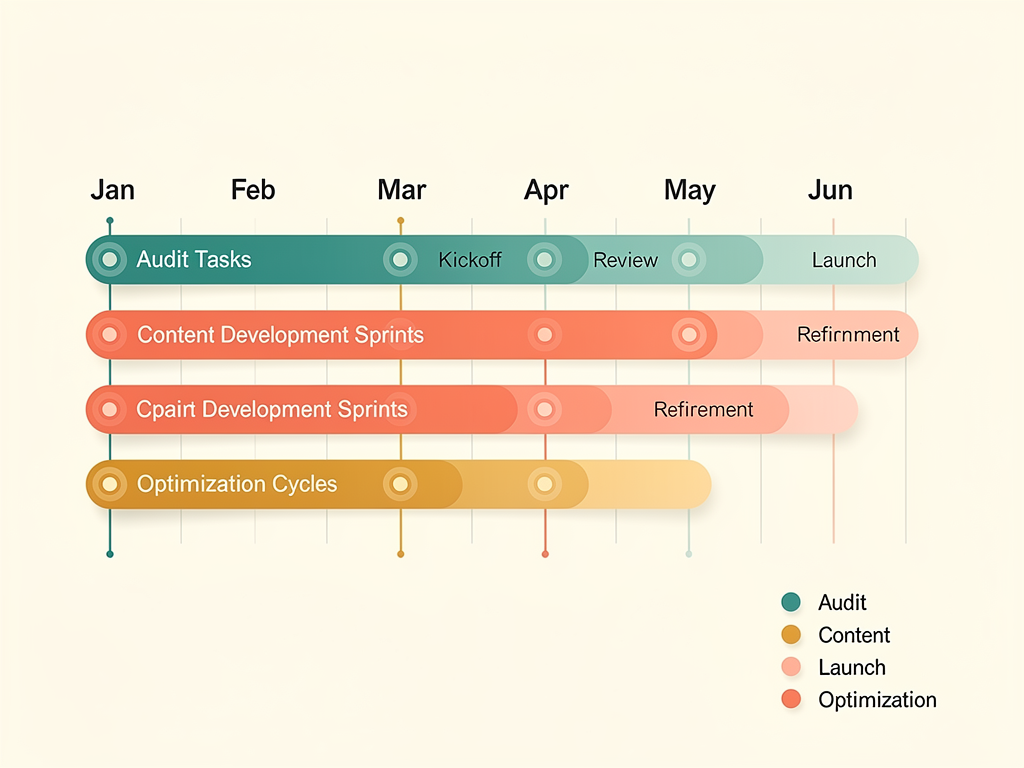
Building Your AEO Action Plan
Implementing AEO effectively requires a structured approach that balances quick wins with long-term strategic development. The following action plan provides a framework for getting started.
Week 1-2: Audit and Assessment
- Analyze current AI visibility by testing relevant queries across ChatGPT, Perplexity, and Google AI Overviews
- Identify top-performing content in traditional search that could be optimized for AI extraction
- Review schema markup implementation and identify gaps
- Assess third-party mention landscape and identify PR opportunities
Week 3-4: Quick Wins Implementation
- Restructure opening paragraphs on priority pages to lead with clear answers
- Add or enhance schema markup on key content
- Update headings to match question-based query patterns
- Add specific data points and citations to support claims
Month 2: Content Development
- Create new content addressing identified gaps in topical coverage
- Develop comparison and evaluation content for your category
- Build out FAQ content with comprehensive answers
- Implement internal linking improvements
Month 3 and Beyond: Ongoing Optimization
- Establish regular content update cycles for freshness
- Implement PR and third-party mention strategies
- Monitor AI visibility metrics and adjust tactics based on results
- Integrate AEO principles into standard content workflows
Conclusion
The rise of AI answer engines represents the most significant shift in search behavior since mobile optimization became essential. For SEO agencies, content marketers, and business owners, adapting to this new reality is not optional but rather a competitive necessity. Brands that optimize for AI visibility now will capture attention at critical decision-making moments, while those who delay risk losing visibility to competitors who move faster.
The good news is that AEO builds on existing SEO fundamentals rather than requiring an entirely new approach. Quality content, technical excellence, and authoritative positioning remain essential. What changes is the emphasis on structure, extractability, and third-party validation that helps AI systems confidently cite your content when generating answers.
Success in AI search requires a dual focus: maintaining strong traditional SEO performance while adding AEO-specific optimizations that ensure your content gets selected when AI systems compose responses. This integrated approach maximizes visibility across both traditional search results and the AI-generated answers that increasingly appear above them.
The strategies outlined in this guide provide a comprehensive framework for preparing your content for AI search in 2026 and beyond. Start with an audit of your current AI visibility, implement quick wins on priority content, and build AEO principles into your ongoing content workflows. With consistent effort and strategic focus, your brand can earn the AI citations that drive trust, authority, and business results in this new era of search.
Frequently Asked Questions
How Long Does It Take to See Results from AEO Optimization?
AEO typically shows results faster than traditional SEO, with many sites seeing AI visibility improvements within 2 to 8 weeks of implementing optimizations. This accelerated timeline occurs because AI systems update their knowledge and citation patterns more frequently than traditional search algorithms update rankings. However, building comprehensive AI visibility across multiple query types and platforms requires sustained effort over several months. Quick wins like restructuring content to lead with answers and adding schema markup can produce rapid improvements, while building topical authority and earning third-party mentions requires longer-term investment. The most effective approach combines immediate optimizations with ongoing content development and PR efforts to build compounding visibility over time.
Should I Focus on AEO or Traditional SEO First?
AEO and traditional SEO work best as complementary strategies rather than competing priorities. Strong SEO fundamentals, including technical optimization, quality content, and authoritative backlinks, provide the foundation that AI systems evaluate when selecting sources. Sites with poor SEO performance will struggle to earn AI citations regardless of AEO-specific optimizations. For most organizations, the recommended approach is to ensure solid SEO fundamentals are in place, then layer AEO optimizations on top. If your site already performs well in traditional search, adding AEO-specific improvements can quickly expand visibility into AI-generated answers. If your site has significant SEO issues, addressing those first will improve both traditional rankings and AI visibility simultaneously.
How Do I Track Whether My Content Is Being Cited by AI Systems?
Tracking AI citations requires a combination of tools and manual monitoring. Specialized platforms like Semrush now offer AI Overview tracking that monitors when your content appears in Google's AI-generated summaries. For other AI platforms, regular manual testing by asking relevant queries and documenting results provides qualitative insight. Monitor referral traffic from AI platforms in your analytics, looking for traffic sources like chat.openai.com, perplexity.ai, and similar domains. Brand mention monitoring tools can track when your brand appears in AI-generated content across the web. While comprehensive automated tracking is still evolving, combining these approaches provides reasonable visibility into AI citation performance that can guide optimization efforts.
Does AEO Work for Local Businesses or Only National Brands?
AEO is highly relevant for local businesses, as AI systems increasingly provide local recommendations and answer location-specific queries. When users ask AI assistants for recommendations like "best Italian restaurant near downtown" or "plumber in [city name]," AI systems synthesize information from local sources to generate responses. Local businesses can optimize for AI visibility by ensuring consistent NAP information across all platforms, implementing local business schema markup, creating content that addresses location-specific questions, and earning mentions in local publications and directories. The principles of clear entity definition, structured content, and third-party validation apply to local businesses just as they do to national brands, with the added dimension of geographic specificity.
Will AEO Make Traditional SEO Obsolete?
Traditional SEO will not become obsolete, but its role is evolving. Google Search remains the dominant discovery platform with over 4 billion users, and traditional search results continue to drive significant traffic and conversions. However, the growing prevalence of AI-generated answers means that some queries that previously drove clicks now get answered before users reach search results. The most effective approach integrates both disciplines, recognizing that strong SEO supports AI visibility while AEO-specific tactics ensure content gets selected for AI-generated answers. Think of AEO as an expansion of SEO rather than a replacement. Sites that excel at both will capture visibility across the full spectrum of how people discover information online.
How Important Is Schema Markup for AEO Success?
Schema markup plays a significant supporting role in AEO by providing machine-readable context that helps AI systems understand content accurately. While schema alone will not guarantee AI citations, it reinforces the visible content on your pages and helps AI systems identify key information like authorship, publication dates, product details, and FAQ content. The most important schema types for AEO include Organization schema for brand entity clarity, Article schema with author information for credibility signals, FAQ schema for question-and-answer content, and Product schema for e-commerce sites. Effective schema implementation requires accuracy, meaning the structured data must reflect what actually appears on the page. AI systems cross-reference schema against visible content, so discrepancies can reduce rather than enhance trust.
Ready to Automate Your AI-Optimized Content Strategy?
Creating comprehensive, well-structured content that performs in both traditional search and AI answer engines requires significant time and expertise. SeoSmart automates the entire process, generating brand-tailored 5,000-word articles with images, internal links, and YouTube videos that are optimized for both SEO and AEO. With features like AI-powered content sprint subscriptions, automatic schema markup, and built-in publishing to WordPress, Webflow, and Shopify, you can scale your content production while maintaining the quality and structure that AI systems prefer. Start your free trial today and discover how automated content creation can help your brand earn more citations in AI-generated answers.
Subscribe to our newsletter
Subscribe to our newsletter and stay up-to-date with the latest news and updates.