AI Writing Tools vs SEO Platforms: Choosing the Best for Rankings
Explore the strengths and limitations of general AI writing tools like Writesonic and dedicated SEO platforms. Learn how each affects content quality, ranking potential, and your overall growth strategy.

Zakariae

The landscape of AI content creation has evolved dramatically, presenting marketers and business owners with a fundamental choice: should you rely on general-purpose AI writing tools or invest in platforms specifically engineered for search engine optimization? This question has become increasingly relevant as content teams seek to balance production efficiency with genuine ranking potential. Understanding the strengths and limitations of each approach can mean the difference between content that languishes on page ten and articles that capture coveted first-page positions.
General AI writing platforms have democratized content creation, making it possible for anyone to generate articles, blog posts, and marketing copy within minutes. Meanwhile, dedicated SEO platforms have emerged with sophisticated algorithms designed specifically to analyze search intent, competitor content, and ranking factors. The choice between these approaches affects not just your content quality but your entire organic growth strategy, resource allocation, and ultimately, your bottom line.
Key Takeaways
- General AI writers excel at speed and versatility but often lack the deep SEO intelligence needed for competitive keyword targeting and SERP analysis.
- Dedicated SEO platforms integrate keyword research, competitor analysis, and optimization scoring directly into the content creation workflow, reducing the need for multiple tools.
- Content quality and ranking potential depend heavily on how well the platform understands search intent, semantic relationships, and current SERP dynamics.
- Workflow efficiency matters significantly for teams producing content at scale, where manual optimization steps create bottlenecks and inconsistencies.
- The best choice depends on your specific needs: volume requirements, competitive landscape, team expertise, and budget constraints all influence the optimal solution.
- Hybrid approaches combining multiple tools often create unnecessary complexity and cost compared to integrated platforms designed for SEO from the ground up.
Understanding The General AI Writer Landscape
General-purpose AI writing tools have proliferated across the market, offering impressive capabilities for generating human-like text across virtually any topic. These platforms, including tools like writesonic, leverage large language models trained on vast datasets to produce coherent, grammatically correct content that can serve numerous purposes. From blog posts and social media captions to email sequences and product descriptions, these versatile tools have found their way into countless marketing workflows.
The appeal of general AI writers lies primarily in their accessibility and speed. A marketing manager can input a topic, select a tone, and receive a complete draft within seconds. This capability has transformed content production for small teams and solo entrepreneurs who previously struggled to maintain consistent publishing schedules. The template-based approach common to these platforms also simplifies the creation process, offering pre-built frameworks for specific content types that guide users toward complete outputs.
However, the generalist nature of these tools creates inherent limitations when the goal is search engine visibility. While they can produce readable content, they typically lack real-time SERP analysis, semantic keyword mapping, and the competitive intelligence necessary to create content that outperforms existing rankings. The content they generate may be well-written but fundamentally disconnected from what search engines and users actually want for specific queries.
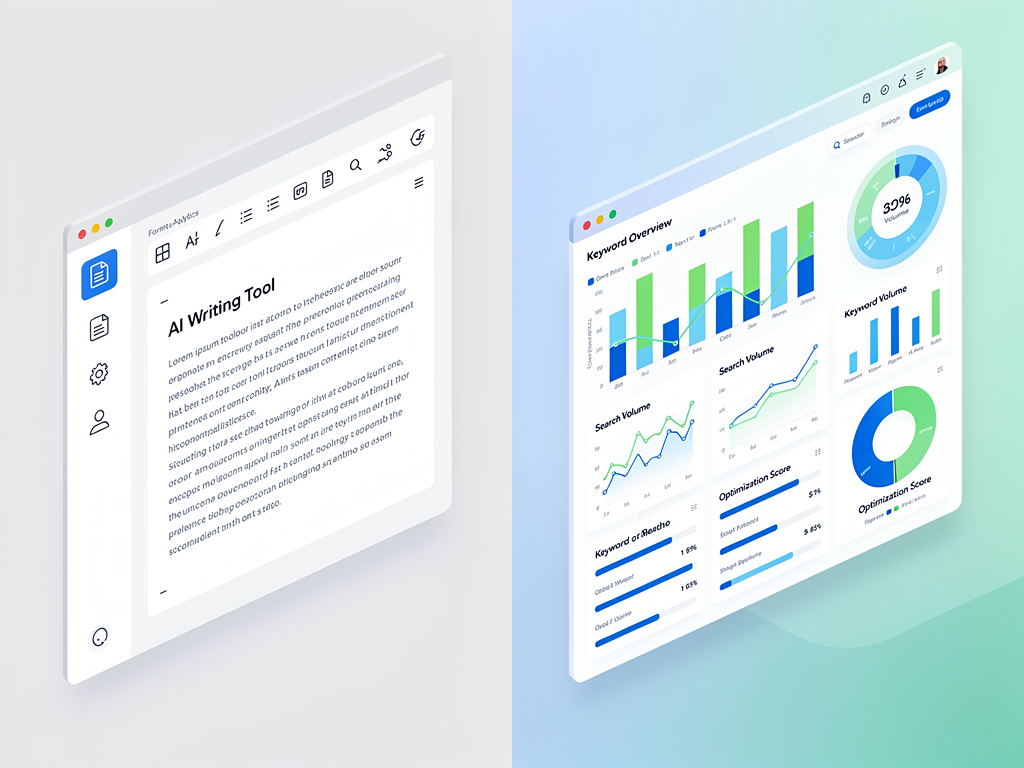
The training data powering these models also presents challenges. Large language models learn patterns from existing content, which means they can perpetuate outdated information, miss recent algorithm updates, and fail to account for evolving search intent. A general AI writer producing content about "best practices for email marketing" might generate advice that was accurate three years ago but no longer reflects current platform capabilities or user expectations.
What Dedicated SEO Platforms Bring To The Table
Dedicated SEO content platforms approach content creation from an entirely different angle, treating search visibility as the primary objective rather than an afterthought. These platforms integrate keyword research, SERP analysis, and optimization guidance directly into the writing interface, ensuring that every piece of content is built with ranking potential in mind from the first sentence to the final call-to-action.
The fundamental difference lies in data integration. While general AI writers work primarily from their training data, dedicated SEO platforms pull real-time information about search results, competitor content, and keyword opportunities. This means the content recommendations you receive reflect the current state of the SERPs, not historical patterns that may no longer apply. When you target a specific keyword, the platform can analyze what currently ranks, identify content gaps, and guide your creation toward filling those gaps effectively.
Semantic analysis represents another significant advantage of purpose-built SEO tools. Modern search engines evaluate content based on topical coverage and semantic relationships, not just keyword density. Dedicated platforms map the semantic landscape around your target topics, identifying related terms, questions, and concepts that comprehensive content should address. This guidance helps writers create genuinely authoritative content rather than keyword-stuffed articles that fail to satisfy user intent.
The workflow benefits extend beyond the writing itself. Dedicated SEO platforms typically include features for content planning, internal linking suggestions, and performance tracking that create a cohesive ecosystem for organic growth. Rather than jumping between keyword research tools, AI writers, and analytics platforms, teams can manage their entire content strategy within a unified interface that maintains consistency and reduces operational friction.
Content Quality Comparison: Depth Versus Speed
When evaluating content quality, the comparison between general AI writers and dedicated SEO platforms reveals important tradeoffs that affect both immediate usability and long-term ranking potential. General AI writers typically produce content quickly, often generating complete articles in under a minute. This speed comes at the cost of depth, however, as the content frequently lacks the nuanced coverage and specific insights that distinguish truly valuable resources from generic overviews.
Dedicated SEO platforms approach content creation with explicit quality benchmarks tied to ranking success. These platforms analyze top-performing content for target keywords, identifying common elements like word count ranges, heading structures, topic coverage, and media inclusion. The guidance provided helps writers create content that meets or exceeds the quality standards already proven effective for specific queries, rather than producing generic articles that may or may not align with what ranks.
| Quality Factor | General AI Writers | Dedicated SEO Platforms |
|---|---|---|
| Content Depth | Surface-level coverage based on training data | Comprehensive coverage guided by SERP analysis |
| Topical Authority | Generic information without competitive context | Targeted insights addressing content gaps |
| Semantic Coverage | Limited to common associations | Mapped to current ranking content semantics |
| Freshness | Dependent on training data cutoff | Informed by real-time SERP data |
| User Intent Alignment | Assumed based on topic | Analyzed from actual search results |
The depth difference becomes particularly apparent for competitive keywords where surface-level content simply cannot compete. If you are targeting a query where the top results feature 3,000-word comprehensive guides with original research, expert quotes, and detailed examples, a 500-word AI-generated overview will not rank regardless of how well-written it appears. Dedicated SEO platforms help writers understand these competitive requirements before they begin, saving time and ensuring the final product has genuine ranking potential.
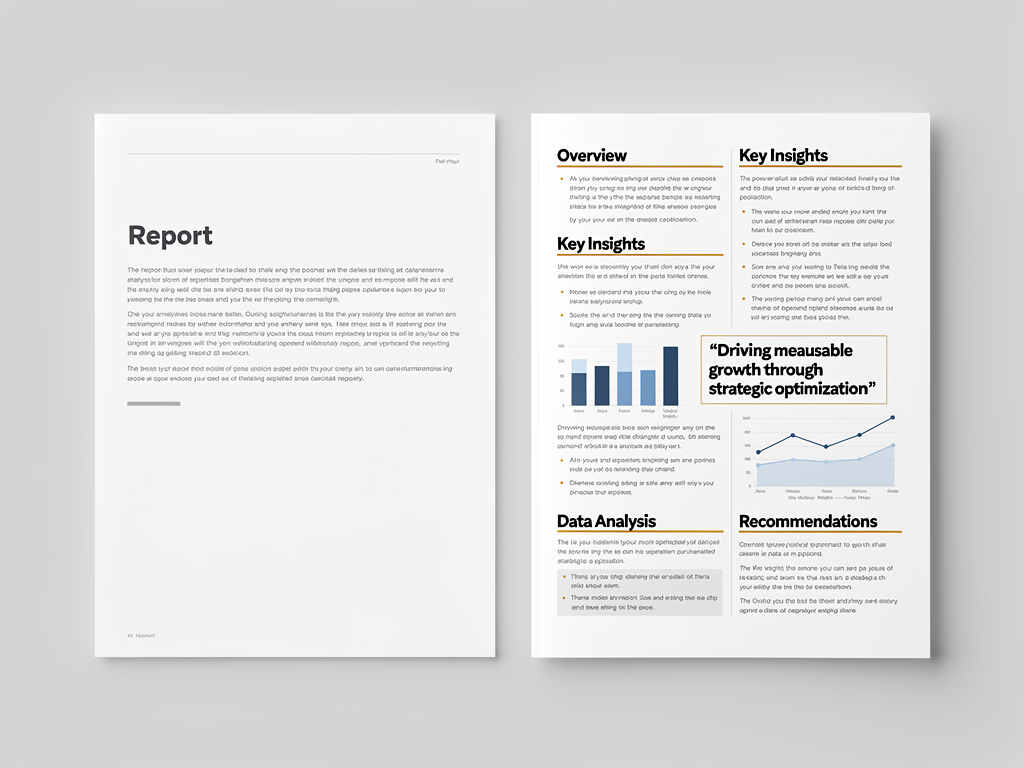
Quality also encompasses accuracy and relevance, areas where general AI writers face inherent challenges. Large language models can generate plausible-sounding but incorrect information, a phenomenon sometimes called "hallucination." For B2B content, technical topics, or any subject requiring factual precision, this limitation creates significant risks. Dedicated SEO platforms that incorporate knowledge bases, source verification, and expert-level content frameworks help mitigate these accuracy concerns while maintaining production efficiency.
Keyword Research And Targeting Capabilities
Effective SEO content begins long before the first word is written, starting with strategic keyword research that identifies opportunities aligned with business goals and competitive realities. This foundational step reveals dramatic differences between general AI writers and dedicated SEO platforms, with implications that cascade through the entire content creation process and ultimately determine ranking outcomes.
General AI writers typically require users to arrive with keywords already selected, offering no guidance on which terms to target or how competitive those terms might be. This approach assumes that users have access to separate keyword research tools and the expertise to interpret their data effectively. For many small business owners and marketing teams with limited SEO experience, this assumption creates a significant gap between content production and strategic optimization.
Dedicated SEO platforms integrate keyword research directly into the content planning workflow, often suggesting topics based on your website's existing authority, competitive landscape, and business objectives. These suggestions consider factors like keyword difficulty, search volume, and topical relevance to help users identify opportunities where they can realistically compete. Rather than chasing high-volume terms dominated by established authorities, teams can focus on strategic niches where their content has genuine ranking potential.
Pro Tip: The most effective keyword strategies balance search volume with competitive difficulty. Targeting keywords where your domain authority gives you a realistic chance of ranking produces better results than pursuing high-volume terms where you will never reach page one.
Long-tail keyword identification represents another area where dedicated platforms excel. While general AI writers might help you create content around a primary keyword, they rarely guide you toward the related long-tail variations that can drive significant cumulative traffic. SEO platforms map keyword clusters, showing how a single piece of content can target multiple related queries through strategic coverage and internal linking structures.
The keyword targeting capabilities also extend to intent analysis, a critical factor that general AI writers largely ignore. Understanding whether a query reflects informational, navigational, commercial, or transactional intent shapes everything from content format to call-to-action placement. Dedicated SEO platforms analyze SERP features and ranking content to infer intent, helping writers create content that matches what users actually want rather than what the keyword superficially suggests.
SERP Analysis And Competitive Intelligence
Creating content that ranks requires understanding what currently ranks and why. This competitive intelligence forms the foundation of effective SEO content strategy, yet it represents one of the most significant capability gaps between general AI writers and dedicated SEO platforms. Without insight into the competitive landscape, content creators essentially work blindfolded, hoping their output happens to align with what search engines reward.
General AI writers operate without any connection to live search results. They cannot tell you that the top three results for your target keyword are all comprehensive guides exceeding 4,000 words, or that featured snippets dominate the SERP, or that video content appears prominently. This blindness means the content they generate may be completely misaligned with the format, depth, and approach that search engines clearly prefer for specific queries.
Dedicated SEO platforms provide detailed SERP analysis that informs every aspect of content creation. These platforms examine ranking content to identify patterns in structure, length, topic coverage, and media usage. They highlight content gaps where existing results fail to address user needs comprehensively, revealing opportunities for new content to provide superior value. This intelligence transforms content creation from guesswork into strategic execution based on competitive realities.

The competitive intelligence extends beyond individual keywords to broader market analysis. Understanding which competitors consistently rank across your target topics, what content formats they favor, and how they structure their topical authority helps inform long-term content strategy. Dedicated platforms often provide competitor tracking features that monitor ranking changes over time, alerting you to shifts in the competitive landscape that might require strategic adjustments.
Backlink analysis represents another dimension of competitive intelligence that dedicated SEO platforms incorporate. Understanding the link profiles of ranking content helps set realistic expectations for your own content's ranking potential and informs link-building priorities. General AI writers provide no insight into these off-page factors, leaving users to discover through disappointing results that their content faces competitive barriers beyond on-page optimization.
On-Page Optimization Features And Guidance
On-page optimization encompasses the technical and structural elements that help search engines understand and appropriately rank your content. From meta titles and descriptions to heading hierarchies and internal linking, these factors significantly influence ranking outcomes. The approach to on-page optimization differs substantially between general AI writers and dedicated SEO platforms, with important implications for content performance.
General AI writers focus primarily on generating body content, often leaving meta elements, schema markup, and structural optimization as afterthoughts or manual additions. Users must either handle these elements themselves or rely on separate tools, creating workflow fragmentation and increasing the likelihood of optimization gaps. The content produced may be well-written but technically incomplete from an SEO perspective.
Dedicated SEO platforms integrate on-page optimization throughout the content creation process. Real-time optimization scores guide writers toward proper keyword placement, heading structure, and content length. Automated suggestions for meta titles and descriptions ensure these critical elements receive appropriate attention. Schema markup recommendations help content qualify for rich results that can dramatically improve click-through rates from search results.
Internal linking represents a particularly important on-page factor that dedicated platforms handle more effectively. These platforms can analyze your existing content to suggest relevant internal links, helping new content connect to established topical clusters while distributing link equity throughout your site. General AI writers have no awareness of your existing content and cannot provide these contextually relevant linking suggestions.
| On-Page Element | General AI Writers | Dedicated SEO Platforms |
|---|---|---|
| Meta Title Generation | Basic or manual | Optimized with character counts and keyword placement |
| Meta Description | Often overlooked | Generated with CTR optimization in mind |
| Heading Structure | Generic H2/H3 usage | Guided by SERP analysis and semantic mapping |
| Internal Linking | Not supported | Contextual suggestions based on site content |
| Schema Markup | Not included | Automated generation for appropriate content types |
| Image Optimization | Limited alt text | SEO-focused alt text and file naming guidance |
The cumulative impact of these on-page factors often determines whether content reaches its ranking potential. A well-written article with poor meta elements, missing schema markup, and no internal links faces significant disadvantages compared to comprehensively optimized content. Dedicated SEO platforms help ensure no optimization opportunity is missed, while general AI writers leave these critical elements to chance or manual intervention.
Workflow Integration And Publishing Efficiency
For content teams producing articles at scale, workflow efficiency directly impacts both output volume and content quality. The time spent on manual optimization, tool-switching, and publishing processes represents overhead that could otherwise go toward strategic planning or content improvement. Evaluating how general AI writers and dedicated SEO platforms fit into production workflows reveals important differences that affect operational efficiency.
General AI writers typically function as standalone content generation tools that require integration with other platforms for keyword research, optimization checking, and publishing. This fragmented workflow means content must move between multiple tools, with each transition creating opportunities for errors, inconsistencies, and delays. Teams often develop complex processes involving spreadsheets, project management tools, and multiple software subscriptions to manage their content operations.
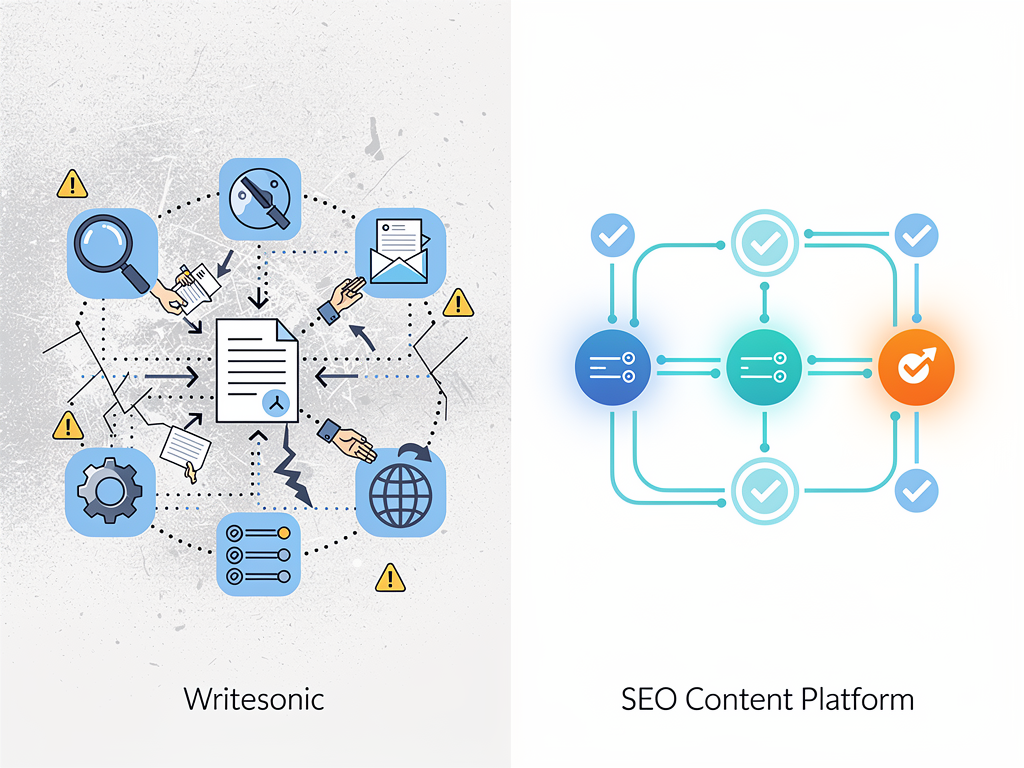
Dedicated SEO platforms designed for end-to-end content operations consolidate these functions into unified workflows. From initial keyword research through content planning, creation, optimization, and publishing, teams can manage their entire process within a single platform. This consolidation reduces training requirements, simplifies team collaboration, and ensures consistent application of SEO best practices across all content.
Publishing automation represents a significant efficiency advantage for platforms with CMS integrations. Rather than manually copying content, formatting it for your website, and handling technical elements like schema markup, integrated platforms can publish directly to WordPress, Webflow, Shopify, and other content management systems. This one-click publishing capability saves substantial time while reducing the formatting errors that often occur during manual transfers.
Content scheduling and calendar management features further enhance workflow efficiency. Dedicated platforms often include planning tools that help teams maintain consistent publishing schedules, coordinate content across topics and campaigns, and ensure strategic coverage of target keyword clusters. These planning capabilities transform content production from reactive article creation into proactive strategic execution aligned with business objectives.
Scalability Considerations For Growing Content Operations
As content operations grow, the tools and processes that worked for occasional publishing often break down under increased volume demands. Scalability encompasses not just the ability to produce more content but to maintain quality, consistency, and strategic alignment as output increases. The scalability characteristics of general AI writers and dedicated SEO platforms differ significantly, with important implications for growing businesses and agencies.
General AI writers scale well for raw content generation, capable of producing unlimited articles given sufficient prompts and editing capacity. However, the quality and optimization of that content does not automatically scale. Each piece still requires manual keyword research, optimization checking, and strategic alignment, creating bottlenecks that limit practical output regardless of how quickly the AI can generate drafts. Teams often find that their editing and optimization capacity, not content generation, constrains their scaling efforts.
Dedicated SEO platforms address scalability more holistically by automating the strategic and optimization elements that typically create bottlenecks. Content planning features can generate topic calendars based on keyword opportunities, ensuring strategic alignment without manual research for each article. Optimization scoring and suggestions reduce editing time by guiding writers toward properly optimized content from the start. Publishing automation eliminates the manual work that often becomes overwhelming at scale.
Agency Insight: Agencies managing multiple client accounts face unique scalability challenges. The ability to maintain separate knowledge bases, brand voices, and keyword strategies for each client while leveraging shared workflows and team resources determines whether growth remains profitable or creates operational chaos.
Cost scalability also differs between approaches. General AI writers often price based on word counts or content pieces, creating linear cost growth as output increases. Dedicated SEO platforms may offer subscription models that provide better economics at scale, particularly when factoring in the separate tools that general AI writer users must maintain for keyword research, optimization, and publishing. The total cost of ownership, not just the content generation expense, determines true scalability economics.
Team scalability considerations include training requirements, collaboration features, and quality consistency across multiple contributors. Platforms with built-in style guides, brand voice settings, and optimization guardrails help maintain quality as teams grow, while general AI writers that rely on individual skill and judgment often see quality variance increase with team size.
Backlink Building And Off-Page SEO Support
While on-page optimization and content quality form the foundation of SEO success, backlinks remain a critical ranking factor that content alone cannot address. The relationship between content creation tools and backlink acquisition varies significantly, with some platforms offering integrated support while others leave this essential element entirely to users. Understanding these differences helps teams plan comprehensive SEO strategies that address both on-page and off-page factors.
General AI writers provide no support for backlink building, focusing exclusively on content generation. Users must develop separate strategies and potentially use additional tools for link prospecting, outreach, and relationship building. This separation means that even excellent content may fail to rank if the backlink strategy is neglected or poorly executed. The tools that help create the content provide no assistance in promoting it.

Some dedicated SEO platforms incorporate backlink building features that complement their content creation capabilities. These features might include backlink exchange networks that connect publishers for mutual linking opportunities, outreach tools that help identify and contact potential link sources, or content formats specifically designed to attract natural backlinks. This integration helps teams address the full spectrum of ranking factors within a unified strategy.
The content itself can be optimized for link attraction when platforms provide appropriate guidance. Dedicated SEO tools might suggest including original research, expert quotes, or comprehensive resources that naturally attract links from other publishers. They might also identify content gaps in the market where creating definitive resources could establish link-worthy authority. General AI writers, lacking this strategic context, produce content without consideration for its link-building potential.
For agencies and consultants managing client SEO, the ability to demonstrate backlink acquisition alongside content creation provides more comprehensive value. Platforms that track backlink growth, identify new linking opportunities, and facilitate outreach help justify ongoing engagement by showing progress across multiple ranking factors rather than just content output metrics.
Measuring Content Performance And ROI
Creating content represents an investment of time and resources that should ultimately generate returns through organic traffic, leads, and conversions. Measuring this return on investment requires tracking content performance over time and connecting that performance to business outcomes. The analytics and reporting capabilities of content creation tools significantly impact teams' ability to demonstrate value and optimize their strategies.
General AI writers typically provide no performance tracking, as their function ends when content is generated. Users must rely on separate analytics platforms like Google Analytics and Search Console to monitor how their content performs in search results. While these tools provide valuable data, the disconnection from content creation makes it difficult to correlate specific content decisions with performance outcomes or identify patterns that could inform future content strategy.
Dedicated SEO platforms often integrate performance tracking that connects content creation decisions to ranking and traffic results. These platforms might show how specific articles perform for their target keywords, track ranking progress over time, and identify content that needs updating or optimization. This closed-loop feedback helps teams understand what works, refine their approach, and demonstrate the value of their content investments to stakeholders.
| Performance Metric | General AI Writers | Dedicated SEO Platforms |
|---|---|---|
| Keyword Ranking Tracking | Not available | Integrated monitoring for target keywords |
| Traffic Attribution | Requires external tools | Connected to content creation data |
| Content Performance Trends | Manual analysis required | Automated reporting and alerts |
| ROI Calculation | Complex manual process | Simplified with integrated data |
| Optimization Recommendations | Not provided | Data-driven suggestions for improvement |
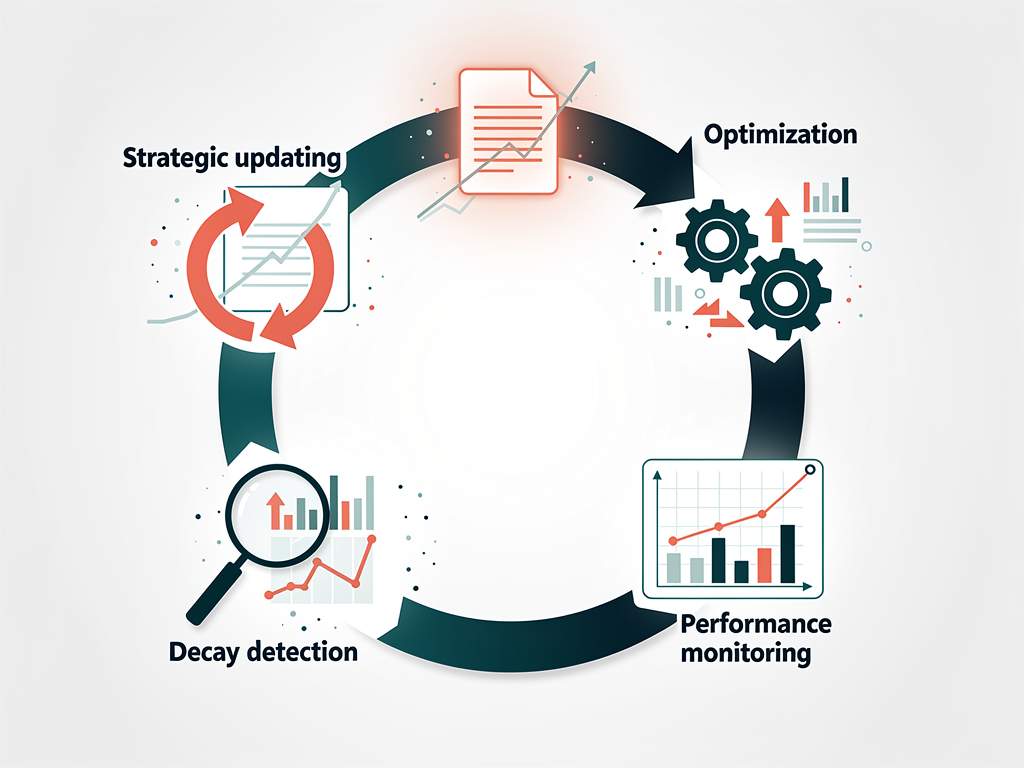
Content decay identification represents an important analytical capability that helps teams maintain their organic traffic over time. As content ages and competitors publish newer resources, rankings can decline without intervention. Platforms that monitor content performance and alert teams to declining articles enable proactive updates that preserve ranking positions. Without this monitoring, teams often discover performance declines only after significant traffic has been lost.
The ability to generate reports for clients or stakeholders also differs between approaches. Dedicated SEO platforms often include reporting features that summarize content production, ranking progress, and traffic growth in formats suitable for client presentations or executive updates. General AI writers provide no reporting capabilities, requiring teams to compile performance data manually from multiple sources.
Cost Analysis: True Total Cost Of Ownership
Evaluating the cost of content creation tools requires looking beyond subscription prices to understand the true total cost of ownership. This comprehensive view includes not just software expenses but also the time costs of manual processes, the opportunity costs of suboptimal content, and the expenses of additional tools required to complete the content workflow. A thorough cost analysis often reveals surprising differences between apparently similar pricing.
General AI writers often appear inexpensive at first glance, with entry-level plans starting at relatively low monthly rates. However, these tools address only one part of the content workflow, requiring additional subscriptions for keyword research, optimization checking, rank tracking, and potentially other functions. When these supplementary tools are factored in, the total software cost often exceeds that of integrated platforms that provide all functions in a single subscription.
Time costs represent a significant but often overlooked expense. The hours spent switching between tools, manually optimizing content, and handling publishing tasks all carry real costs whether measured in employee salaries or opportunity cost. Integrated platforms that automate these processes can save dozens of hours monthly, representing substantial value even if their subscription prices appear higher than standalone AI writers.
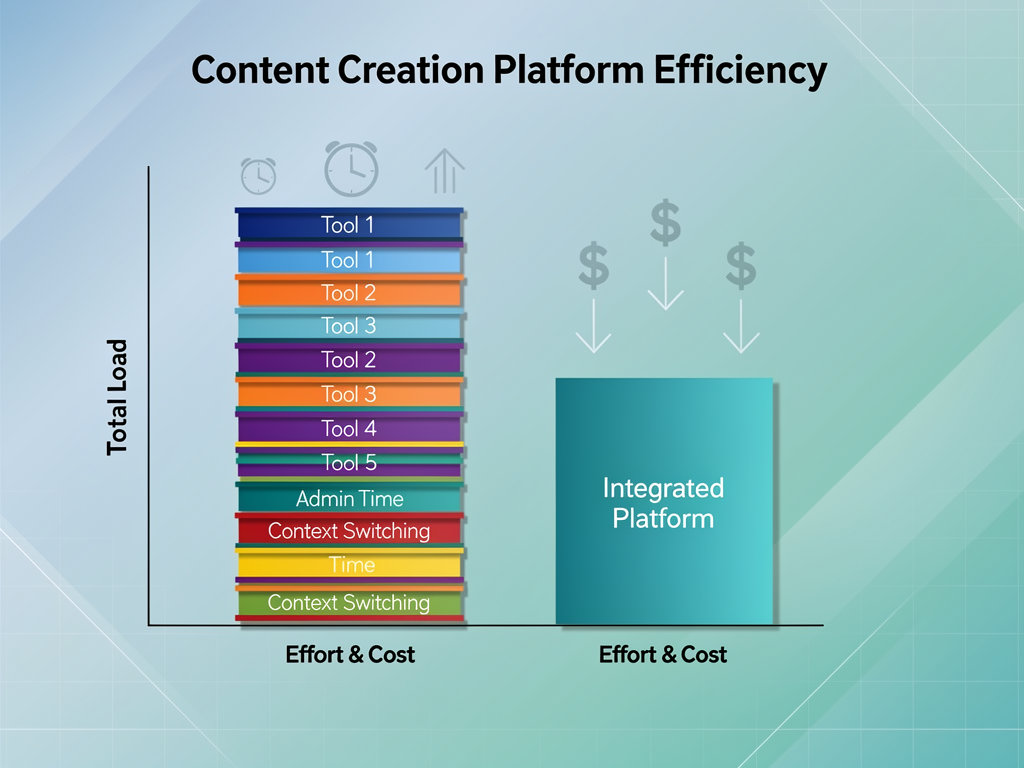
Content quality impacts cost through its effect on results. Content that fails to rank represents wasted investment regardless of how inexpensively it was produced. If dedicated SEO platforms produce content with higher ranking success rates, the cost per ranking article may actually be lower despite higher per-article production costs. This performance-adjusted cost analysis often favors platforms with stronger optimization capabilities.
Scalability economics also influence long-term cost comparisons. Platforms with subscription models that include generous content allowances may become increasingly cost-effective as production volumes grow, while per-article pricing models maintain linear cost growth. Teams planning significant content scaling should model costs at projected future volumes, not just current production levels.
Use Case Analysis: Which Approach Fits Your Needs
The optimal choice between general AI writers and dedicated SEO platforms depends heavily on specific use cases, team capabilities, and business objectives. Rather than declaring one approach universally superior, understanding how different scenarios favor different tools helps teams make informed decisions aligned with their particular circumstances.
SEO Agencies and Digital Marketing Consultants: Agencies managing multiple client accounts typically benefit most from dedicated SEO platforms that provide client-specific configurations, white-label reporting, and comprehensive optimization features. The ability to demonstrate ranking improvements and traffic growth to clients requires the integrated analytics that general AI writers cannot provide. Workflow efficiency at scale also favors platforms designed for multi-client operations.
Content Marketing Managers at B2B Companies: B2B content often targets specific technical keywords where depth and accuracy matter significantly. Dedicated SEO platforms that guide comprehensive coverage and verify topical authority help create the authoritative content that B2B audiences expect. The longer sales cycles typical of B2B also make ranking sustainability important, favoring platforms with content performance monitoring.
Small Business Owners Managing Their Own SEO: Small business owners with limited SEO expertise often struggle with keyword research and optimization decisions. Dedicated platforms that provide guidance and automate technical elements can level the playing field, while general AI writers may leave these users without the knowledge to optimize effectively. However, budget constraints may favor more affordable general tools if the business can invest time in learning SEO fundamentals.

Affiliate Marketers and Niche Site Builders: Affiliate content success depends heavily on ranking for commercial keywords where competition is often intense. The SERP analysis and competitive intelligence provided by dedicated SEO platforms help identify winnable opportunities and create content that can compete. The direct connection between rankings and revenue makes optimization capabilities particularly valuable for this use case.
E-commerce Store Owners Needing Blog Content: E-commerce blogs serve both SEO and customer education purposes. Dedicated platforms can help optimize product-related content for search while general AI writers might suffice for purely informational content. The integration with e-commerce platforms like Shopify for direct publishing can significantly streamline workflows for store owners.
SaaS Companies Requiring Regular Content Production: SaaS content marketing often involves technical topics, competitive positioning, and thought leadership that benefit from deep optimization and brand consistency. Dedicated platforms with knowledge base features help maintain accuracy across technical content while ensuring SEO optimization. The ongoing nature of SaaS content programs also makes workflow efficiency important.
Future Trends: Where Content Creation Technology Is Heading
The rapid evolution of AI content technology shows no signs of slowing, with developments in both general AI capabilities and specialized SEO applications reshaping what is possible. Understanding emerging trends helps teams make tool decisions that will remain relevant as the technology landscape continues to evolve.
Generative Engine Optimization (GEO) represents an emerging frontier that extends beyond traditional search engines. As AI assistants like ChatGPT, Claude, and Perplexity become information sources that users query directly, content must be optimized not just for Google but for these AI platforms as well. Dedicated SEO platforms are beginning to incorporate GEO tracking and optimization features that general AI writers have not yet addressed.
The integration of AI throughout the content workflow continues to deepen. Rather than AI handling just the writing, emerging platforms use AI for keyword research, competitive analysis, optimization recommendations, and performance prediction. This comprehensive AI integration creates more intelligent systems that can guide strategy, not just execute content generation tasks.

Personalization and dynamic content optimization represent another trend with significant implications. As search engines become better at understanding user context and intent, content that adapts to different audiences may gain advantages. Platforms that can generate and test multiple content variations, then optimize based on performance data, will likely outperform static content approaches.
The consolidation of content technology stacks suggests that integrated platforms will continue gaining advantages over fragmented tool collections. As AI capabilities become more accessible, the differentiation will shift from raw generation capability to workflow integration, optimization intelligence, and performance tracking. Teams invested in general AI writers may find themselves needing to migrate to more comprehensive platforms as competitive requirements intensify.
Making The Right Choice For Your Content Strategy
Selecting between general AI writers and dedicated SEO platforms ultimately comes down to aligning tool capabilities with strategic priorities. Neither approach is universally superior; rather, each serves different needs and contexts. Making the right choice requires honest assessment of your current situation, future goals, and the resources available to support your content operations.
Start by evaluating your primary content objective. If you need to produce large volumes of content quickly for purposes other than search ranking, such as social media, internal communications, or creative brainstorming, general AI writers may provide sufficient capability at lower cost. If organic search traffic represents a significant growth channel and you are competing for valuable keywords, the optimization capabilities of dedicated SEO platforms likely justify their investment.
Consider your team's SEO expertise honestly. Teams with strong SEO knowledge can potentially compensate for general AI writers' limitations through manual optimization and separate tool usage. Teams without deep SEO expertise benefit more from platforms that provide guidance and automate optimization decisions. The platform should complement your team's capabilities, filling gaps rather than duplicating existing strengths.
Evaluate your competitive landscape carefully. In less competitive niches, adequate content may rank without sophisticated optimization. In highly competitive markets, the marginal advantages provided by dedicated SEO platforms can make the difference between page one visibility and obscurity. Analyze the content quality and optimization level of current ranking content for your target keywords to understand what you are competing against.
Finally, consider the trajectory of your content operations. Tools that work for current production levels may not scale effectively as your content program grows. Platforms designed for scale, with automation features, team collaboration capabilities, and efficient workflows, provide better long-term value even if they exceed current needs. Investing in scalable infrastructure early avoids painful migrations later.
Conclusion
The choice between general AI writers and dedicated SEO platforms reflects a fundamental strategic decision about how your organization approaches content creation. General AI writers offer accessibility, speed, and versatility for teams that need content quickly across multiple purposes. Dedicated SEO platforms provide the deep optimization capabilities, competitive intelligence, and integrated workflows that serious organic growth strategies require.
For teams where search visibility drives meaningful business outcomes, the advantages of dedicated SEO platforms typically outweigh their additional complexity and cost. The ability to create content informed by real-time SERP data, optimized according to proven ranking factors, and published through streamlined workflows produces better results than generating content in isolation and hoping it ranks. The integrated approach also simplifies operations, reduces tool sprawl, and provides clearer performance visibility.
The content creation technology landscape continues evolving rapidly, with AI capabilities expanding and search algorithms growing more sophisticated. Platforms that combine powerful AI generation with deep SEO intelligence position teams to succeed both in current search environments and as new channels like AI assistants become increasingly important. Making informed tool choices today creates the foundation for sustainable organic growth tomorrow.

Frequently Asked Questions
Can General AI Writers Produce Content That Actually Ranks In Search Results?
General AI writers can produce content that ranks, but success depends heavily on additional optimization efforts and competitive factors. The content generated by these tools lacks inherent SEO optimization, meaning users must manually research keywords, analyze competitors, and optimize elements like meta tags and internal links. For low-competition keywords with minimal existing quality content, AI-generated articles may rank with modest optimization. However, for competitive terms where top results feature comprehensive, well-optimized content, general AI output typically requires substantial enhancement to compete. Studies suggest that content created with dedicated SEO guidance achieves first-page rankings approximately 40% more frequently than content created without such optimization support, highlighting the value of integrated SEO intelligence in the content creation process.
How Much Time Can Dedicated SEO Platforms Save Compared To Using Multiple Separate Tools?
The time savings from dedicated SEO platforms vary based on content volume and workflow complexity, but teams commonly report savings of 5 to 15 hours per week when transitioning from fragmented tool stacks. These savings come from eliminating context-switching between applications, automating optimization tasks that previously required manual checking, and streamlining publishing processes. For a team producing 10 articles monthly, the cumulative time savings might equal 20 to 40 hours, representing significant productivity gains. Additionally, the reduced cognitive load of working within a single interface often improves content quality by allowing writers to focus on substance rather than process management. Agencies managing multiple clients typically see even greater efficiency gains due to centralized client management and reporting capabilities.
What Should I Look For When Evaluating Dedicated SEO Content Platforms?
When evaluating dedicated SEO platforms, prioritize features that address your specific workflow needs and competitive challenges. Essential capabilities include real-time SERP analysis that informs content recommendations, semantic keyword mapping that guides comprehensive topic coverage, and content optimization scoring that provides actionable improvement suggestions. Publishing integrations with your CMS eliminate manual transfer steps, while internal linking suggestions help build topical authority across your content. For teams, look for collaboration features, brand voice consistency tools, and role-based permissions. Performance tracking that connects content creation to ranking outcomes enables continuous improvement. Finally, evaluate the platform's approach to emerging trends like GEO optimization for AI assistants, as this capability will become increasingly important as search behavior evolves.
Is It Worth Using Both A General AI Writer And A Dedicated SEO Platform Together?
Using both tools together can work but often creates unnecessary complexity and cost without proportional benefits. The primary use case for this combination involves using general AI writers for non-SEO content like internal documents or social media while reserving the dedicated SEO platform for search-focused content. However, most dedicated SEO platforms include capable AI writing features, making the general AI writer redundant for many teams. The workflow fragmentation of using multiple tools also introduces inefficiency and potential inconsistency. Before adopting a dual-tool approach, evaluate whether your dedicated SEO platform can adequately handle all your content needs. Most teams find that consolidating on a single comprehensive platform produces better results with less operational overhead than maintaining separate specialized tools.
How Do Dedicated SEO Platforms Handle Content Updates And Optimization Of Existing Articles?
Dedicated SEO platforms typically include features specifically designed for content maintenance and optimization, recognizing that SEO success requires ongoing attention rather than one-time publication. These platforms can analyze existing content against current SERP conditions, identifying gaps in keyword coverage, outdated information, or structural issues that may be limiting ranking potential. Content decay alerts notify teams when previously successful articles begin losing rankings, enabling proactive updates before significant traffic loss occurs. The optimization recommendations provided for new content apply equally to updates, guiding writers toward improvements that address competitive changes. Some platforms also track content freshness signals and suggest update schedules based on topic volatility. This lifecycle approach to content management helps teams maintain and improve their organic traffic over time rather than constantly creating new content while existing assets deteriorate.
Ready To Create Content That Actually Ranks?
If you are tired of producing content that fails to generate organic traffic, it is time to experience what a dedicated SEO content platform can do for your rankings. SeoSmart combines powerful AI content generation with deep SEO intelligence, creating brand-tailored articles up to 5,000 words complete with images, internal links, and YouTube videos. Our platform handles everything from keyword research through automated publishing, while our backlink exchange network helps your content earn the authority signals it needs to rank. Stop guessing and start ranking with content built for search success from the ground up. Visit SeoSmart.app today to claim your 500 free credits and see the difference dedicated SEO content creation makes.
Subscribe to our newsletter
Subscribe to our newsletter and stay up-to-date with the latest news and updates.