AI Text Generators: Scale Your SEO Content with Quality
Discover how AI text generators can help create high-quality, search-optimized content at scale. Learn strategies, workflows, and best practices for leveraging AI in content marketing to improve organic traffic and ROI.

Zakariae

Creating high-quality, search-optimized content consistently remains one of the most significant challenges facing digital marketers, SEO agencies, and business owners today. The demand for fresh, engaging content that ranks well in search engines has never been higher, yet the resources available to produce such content often fall short. This gap between content demand and production capacity has given rise to a new generation of tools that leverage artificial intelligence to streamline the content creation process while maintaining the quality standards that search engines and readers expect.
The landscape of content creation has fundamentally shifted over the past few years. What once required teams of writers, editors, and SEO specialists working for days or weeks can now be accomplished in a fraction of the time. For marketing teams with limited resources, freelance content strategists, and small business owners managing their own SEO efforts, this transformation represents an unprecedented opportunity to compete with larger organizations that have traditionally dominated search engine results pages.
This comprehensive guide explores how modern ai text generator technology can help you create rank-worthy content at scale, examining the strategies, workflows, and best practices that separate successful implementations from those that fall flat. Whether you run an SEO agency serving multiple clients, manage content marketing for a B2B company, or build affiliate sites in competitive niches, understanding how to leverage these tools effectively can dramatically impact your organic traffic growth and overall marketing ROI.
Key Takeaways
- Quality over quantity: AI-powered content tools work best when combined with human oversight, brand guidelines, and strategic planning rather than pure automation.
- SEO integration is essential: The most effective AI content solutions incorporate keyword research, SERP analysis, and on-page optimization directly into the content creation workflow.
- Scalability requires systems: Building repeatable processes around AI content generation allows teams to produce 30 to 60 articles monthly without sacrificing quality.
- Brand voice preservation: Advanced platforms can learn and maintain your unique brand voice across hundreds of content pieces, ensuring consistency at scale.
- Multimedia integration matters: Top-performing content includes images, videos, and structured data, all of which can be automated alongside text generation.
- Backlink building amplifies results: Content creation alone does not guarantee rankings; combining AI-generated articles with strategic link building accelerates organic growth.
- Continuous optimization drives success: The best AI content platforms include analytics and performance tracking to identify which pieces need updates or expansion.

Understanding the Evolution of AI Content Generation
The journey from basic article spinners to sophisticated AI content platforms represents one of the most dramatic technological leaps in digital marketing history. Early content generation tools relied on simple synonym replacement and template-based approaches that produced barely readable text. These primitive solutions earned AI-generated content a poor reputation among SEO professionals who rightfully viewed such output as spam rather than valuable content.
Modern AI content generation operates on entirely different principles. Large language models trained on vast datasets can now understand context, maintain topical relevance, and produce prose that reads naturally to human audiences. More importantly, these systems can be fine-tuned to understand SEO best practices, incorporating keyword optimization, semantic relevance, and user intent signals directly into the content creation process.
The transformation has been so significant that search engines themselves have evolved their stance on AI-generated content. Google's helpful content guidelines now focus on the quality and usefulness of content rather than its origin. Content that demonstrates expertise, provides genuine value to readers, and satisfies search intent can rank well regardless of whether a human or AI wrote the initial draft. This shift has opened the door for businesses of all sizes to leverage AI content tools without fear of algorithmic penalties.
What distinguishes today's leading AI content platforms from their predecessors is the integration of multiple capabilities into unified workflows. Rather than simply generating text, these systems can conduct keyword research, analyze competitor content, create optimized outlines, generate comprehensive articles, add relevant images and videos, implement schema markup, and publish directly to content management systems. This end-to-end approach transforms AI from a writing assistant into a complete content production system.
The Business Case for AI-Powered Content Production
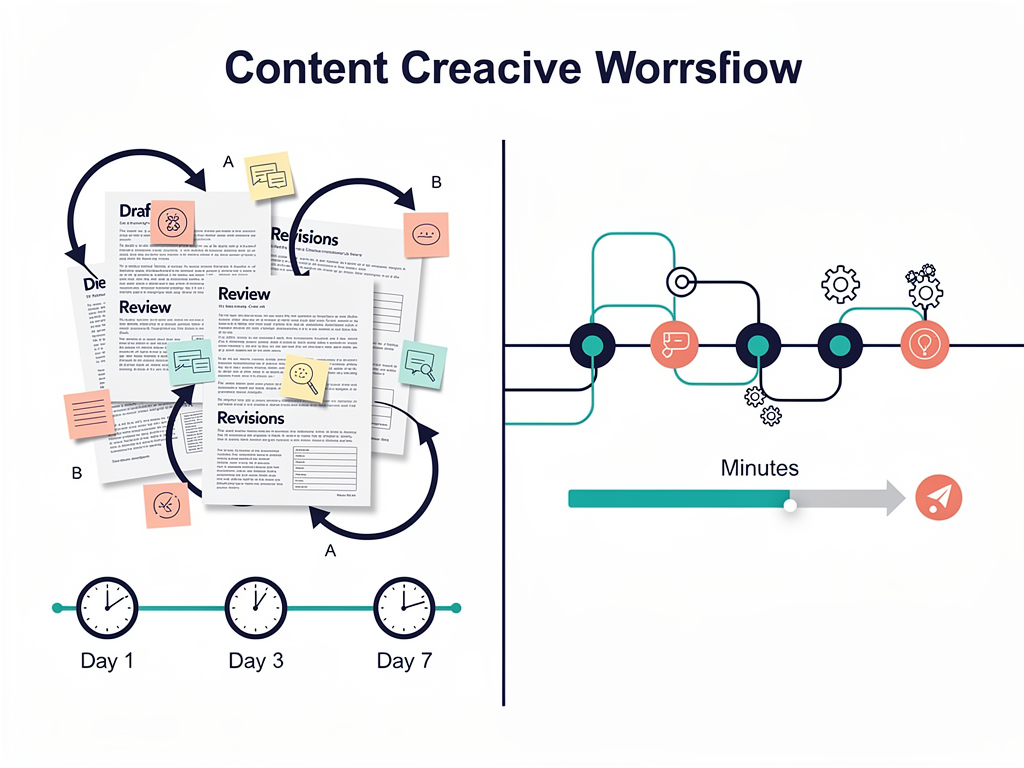
Building a compelling business case for AI content generation requires understanding both the direct cost savings and the opportunity costs of traditional content production methods. Consider the typical workflow for producing a single long-form SEO article through conventional means: keyword research takes one to two hours, competitive analysis requires another hour or two, outline creation adds thirty minutes to an hour, writing a 2,000-word draft typically requires four to eight hours for a skilled writer, editing and optimization add another two to four hours, and image sourcing and formatting contribute additional time. The total investment for a single piece of quality content often exceeds a full workday.
When you factor in the cost of skilled content creators, whether in-house staff or freelance writers, a single optimized article can easily cost $200 to $500 or more. For businesses that need to publish multiple pieces weekly to compete in their markets, these costs quickly become prohibitive. SEO agencies serving multiple clients face even greater challenges, as they must multiply these investments across numerous accounts while maintaining profitability.
| Content Production Method | Time Per Article | Approximate Cost | Monthly Output (1 FTE) |
|---|---|---|---|
| Traditional (in-house writer) | 8-12 hours | $200-$400 | 12-15 articles |
| Freelance writers | Variable | $150-$500 | Depends on budget |
| AI-assisted (with editing) | 2-4 hours | $50-$150 | 30-50 articles |
| Fully automated AI platform | 30-60 minutes | $15-$50 | 60+ articles |
The efficiency gains from AI content generation extend beyond simple time savings. Consistency becomes much easier to maintain when content follows standardized templates and brand guidelines encoded into the AI system. Quality control improves because AI platforms can automatically check for SEO optimization, readability scores, and adherence to content briefs before publication. Perhaps most importantly, the ability to scale content production allows businesses to pursue content strategies that would otherwise be financially impossible.
For e-commerce store owners needing product descriptions and blog content, the math becomes even more compelling. A store with hundreds or thousands of products cannot realistically afford custom-written descriptions for each item through traditional means. AI content generation makes comprehensive product content economically viable, improving both SEO performance and conversion rates across the entire catalog.
How Search Engines Evaluate AI-Generated Content
Understanding how Google and other search engines assess content quality helps inform effective AI content strategies. The search giant's guidelines emphasize the E-E-A-T framework: Experience, Expertise, Authoritativeness, and Trustworthiness. Content that demonstrates these qualities can rank well regardless of its production method, while content that lacks them will struggle even if written entirely by humans.
Search engines evaluate content based on its ability to satisfy user intent rather than its origin. When someone searches for "best project management software for small teams," they want comprehensive comparisons, honest assessments, and actionable recommendations. Content that delivers these elements will outperform content that merely strings keywords together, whether AI or humans produced either piece.
The key insight for AI content creators is that search engines cannot reliably detect AI-generated text, nor do they particularly care to. What they can detect is thin content, keyword stuffing, factual inaccuracies, poor user engagement signals, and other quality indicators. AI content that avoids these pitfalls while providing genuine value has the same ranking potential as human-written content.
Important consideration: The most successful AI content strategies combine automated generation with human oversight. Subject matter experts should review content for accuracy, editors should refine voice and style, and SEO specialists should verify optimization before publication. This hybrid approach captures the efficiency benefits of AI while maintaining the quality standards that search engines reward.
Recent studies indicate that AI-generated content can rank within 24 to 48 hours when properly optimized and published on authoritative domains. The speed advantage is significant because it allows businesses to respond quickly to trending topics, seasonal opportunities, and competitive gaps. Traditional content production timelines often mean missing these windows entirely.
Essential Features of Effective AI Content Platforms
Not all AI content tools deliver equal results. The difference between platforms that produce rank-worthy content and those that generate forgettable filler often comes down to specific features and capabilities. Understanding what to look for helps businesses select tools that will actually move the needle on their organic traffic goals.
Integrated Keyword Research and SERP Analysis
The best AI content platforms do not operate in isolation from SEO data. They incorporate keyword research tools that identify valuable search terms, analyze search volume and competition metrics, and understand the semantic relationships between related queries. This integration ensures that content targets the right keywords from the outset rather than requiring manual optimization after the fact.
SERP analysis capabilities allow AI systems to study what currently ranks for target keywords, identifying patterns in content length, structure, topics covered, and questions answered. This competitive intelligence informs content generation, helping produce articles that match or exceed the quality signals that search engines already reward in existing top-ranking pages.
Brand Voice and Knowledge Base Integration
Generic AI content fails to differentiate brands in competitive markets. Advanced platforms allow users to define brand voice parameters, upload existing content for style matching, and create knowledge bases of company-specific information. These capabilities ensure that generated content sounds like it came from your organization rather than a generic template.
Knowledge base integration proves particularly valuable for B2B companies and SaaS providers with complex products or services. By training the AI on product documentation, case studies, and industry expertise, businesses can produce content that demonstrates genuine authority rather than surface-level understanding.
Multimedia Content Generation
Text alone rarely achieves top rankings in competitive niches. Search engines and users alike prefer content that incorporates relevant images, videos, infographics, and other visual elements. Leading AI content platforms can generate or source appropriate images, embed relevant YouTube videos, and create visual assets that enhance the reader experience.
Schema markup automation represents another crucial capability. Structured data helps search engines understand content context and can enable rich snippets, FAQ appearances, and other enhanced search result features. Platforms that automatically implement appropriate schema save significant technical SEO effort while improving content visibility.
CMS Integration and Publishing Automation
The value of efficient content generation diminishes if publishing remains a manual bottleneck. Top platforms offer direct integration with popular content management systems including WordPress, Webflow, Shopify, and Ghost. One-click publishing capabilities transform completed articles into live content without requiring manual copying, formatting, or technical intervention.
Auto-scheduling features allow teams to maintain consistent publishing cadences without daily manual effort. Content can be queued for optimal publication times, distributed evenly across the week or month, and adjusted based on performance data. This automation frees marketing teams to focus on strategy and analysis rather than routine publishing tasks.
Building a Scalable AI Content Workflow
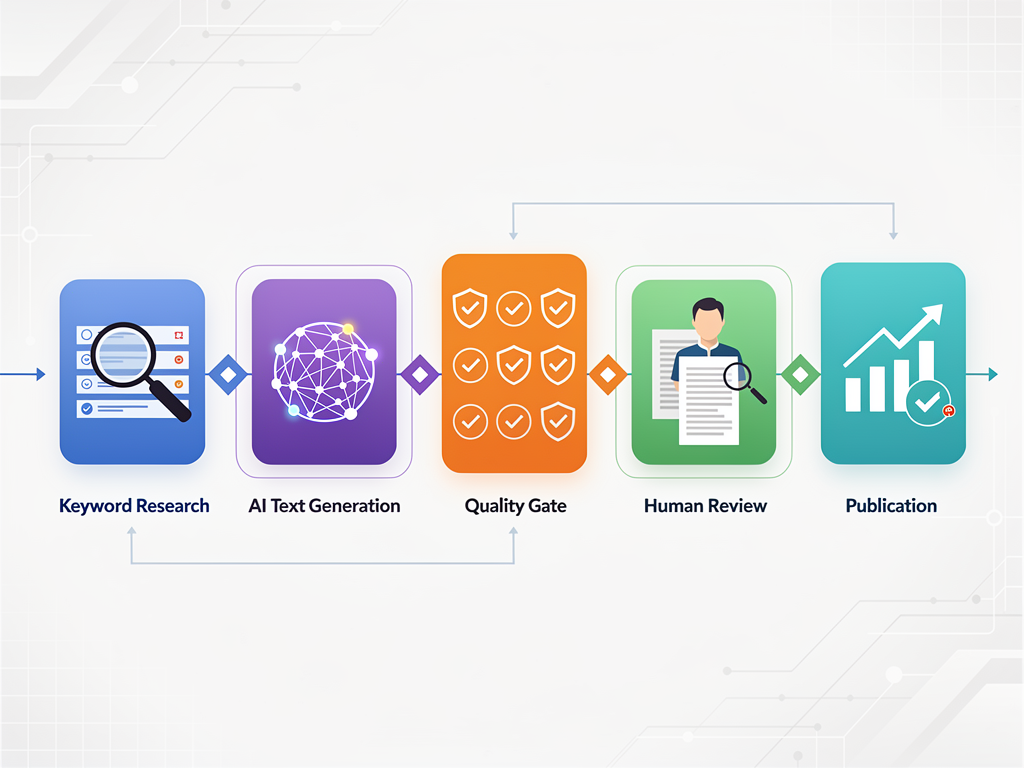
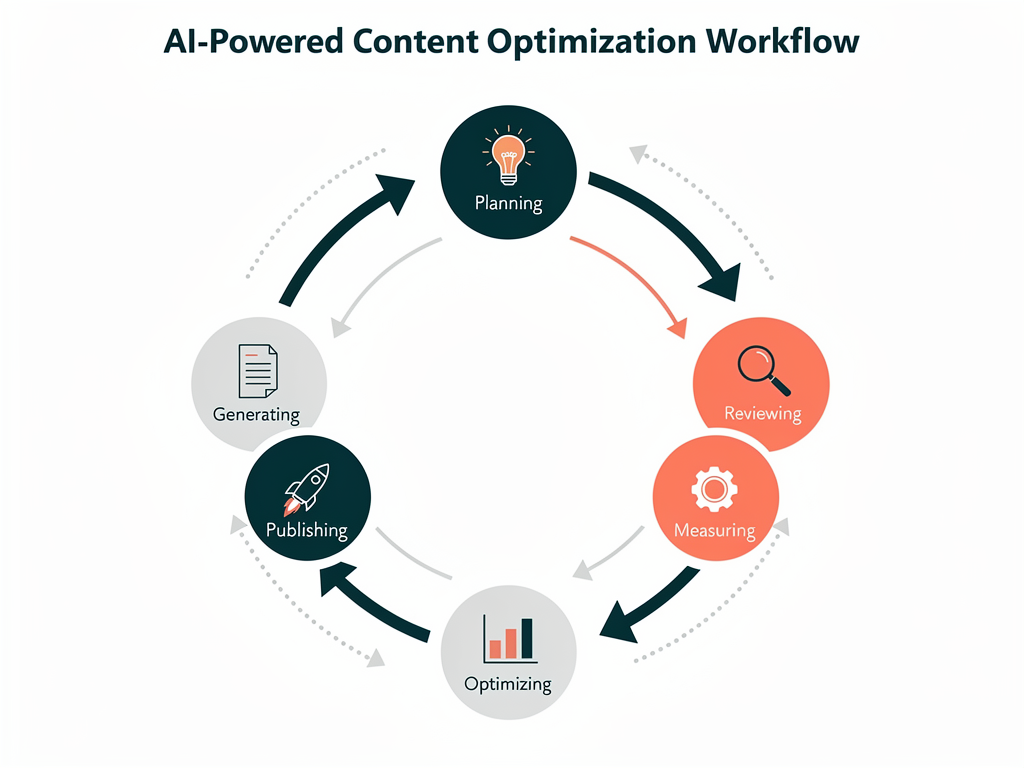
Achieving consistent results from AI content generation requires systematic processes rather than ad-hoc usage. The most successful implementations follow structured workflows that ensure quality, maintain brand consistency, and optimize for search performance at every stage.
Phase One: Strategic Planning and Topic Selection
Effective content production begins with strategic clarity about what topics to cover and why. This phase involves analyzing your target audience's search behavior, identifying content gaps in your existing coverage, and prioritizing topics based on business value and ranking potential. AI tools can assist with this research, but strategic decisions should reflect business objectives and competitive positioning.
Topic clustering helps organize content into thematic groups that demonstrate topical authority to search engines. Rather than producing isolated articles on random subjects, plan content that builds comprehensive coverage of your core expertise areas. This approach creates internal linking opportunities and signals deep knowledge to both users and search algorithms.
Phase Two: Content Brief Development
Detailed content briefs dramatically improve AI output quality. A comprehensive brief should specify the target keyword and secondary keywords, define the intended audience and their awareness level, outline the key points and sections to cover, identify questions to answer and objections to address, and provide examples of tone and style expectations.
Many AI platforms can generate content briefs automatically based on SERP analysis, but human review ensures alignment with business goals. The brief serves as the contract between your strategic intent and the AI's execution, so investing time here pays dividends in content quality.
Phase Three: Content Generation and Optimization
With a solid brief in place, AI content generation becomes a matter of execution. The best platforms produce comprehensive drafts that cover all specified topics, incorporate target keywords naturally, and follow SEO best practices for structure and formatting. Output typically includes suggested meta titles and descriptions, header hierarchy, and internal linking recommendations.
Optimization scoring helps identify areas for improvement before publication. These scores evaluate keyword usage, content length, readability, and other factors that influence ranking potential. Iterating on AI output until optimization scores reach target levels ensures consistent quality across all published content.
Phase Four: Human Review and Enhancement
Even the most sophisticated AI content benefits from human oversight. Subject matter experts should verify factual accuracy, especially for technical topics or claims that could impact reader decisions. Editors should refine voice and style to match brand standards, smooth awkward phrasing, and ensure logical flow between sections.
This review phase also provides an opportunity to add unique insights, proprietary data, or original perspectives that differentiate your content from competitors. AI can synthesize existing information effectively, but human expertise adds the original thinking that truly sets content apart.
Phase Five: Publication and Promotion
Publishing represents the beginning rather than the end of content's journey to ranking success. Automated publication to your CMS should include proper formatting, image optimization, internal linking, and schema markup implementation. Social sharing and email distribution amplify initial visibility and engagement signals.
Backlink building remains essential for competitive keywords. Content that earns links from authoritative sources gains ranking advantages that pure on-page optimization cannot match. Some platforms include backlink exchange networks that facilitate link building alongside content creation, creating a more complete path to ranking success.
Content Types That Benefit Most from AI Generation
While AI content tools can produce virtually any type of written content, certain formats deliver particularly strong returns on investment. Understanding which content types benefit most helps prioritize AI implementation efforts.
Long-Form Educational Content
Comprehensive guides, tutorials, and how-to articles represent ideal candidates for AI generation. These pieces require thorough coverage of topics, logical organization, and clear explanations, all areas where modern AI excels. Long-form content also tends to rank well for informational queries and attracts backlinks from other sites seeking authoritative references.
The 5,000-word articles that dominate many search results would be prohibitively expensive to produce at scale through traditional means. AI generation makes this depth of coverage economically viable, allowing businesses to compete for high-value informational keywords that drive significant organic traffic.
Product and Category Descriptions
E-commerce sites face unique content challenges due to the sheer volume of products requiring descriptions. AI content generation can produce unique, optimized descriptions for hundreds or thousands of products, improving both SEO performance and conversion rates. Category pages benefit similarly, with AI-generated content providing the context and information that helps these pages rank for broader commercial queries.
Location-Based and Service Area Pages
Businesses serving multiple geographic areas often need location-specific content to rank in local searches. AI can efficiently generate unique pages for each service area, incorporating local details, relevant keywords, and area-specific information. This approach avoids the duplicate content issues that arise from simply changing city names across templated pages.
Comparison and Review Content
Affiliate marketers and review sites rely heavily on comparison content that helps users evaluate options. AI tools can analyze product specifications, synthesize user reviews, and produce comprehensive comparisons that serve reader needs while targeting valuable commercial keywords. The structured nature of comparison content makes it particularly well-suited to AI generation.
FAQ and Support Content
Customer support content and FAQ pages often cover predictable questions with relatively straightforward answers. AI can generate comprehensive FAQ sections that address common queries, implement proper schema markup for FAQ rich results, and maintain consistency across large knowledge bases. This content type also provides excellent internal linking opportunities to more detailed resources.
Avoiding Common AI Content Pitfalls
The power of AI content generation comes with risks that can undermine SEO performance if not carefully managed. Understanding and avoiding these common pitfalls helps ensure that AI-generated content contributes positively to your organic search goals.
Generic and Undifferentiated Content
The most frequent failure mode for AI content is producing generic material that could appear on any website. When AI simply synthesizes existing information without adding unique perspectives, proprietary data, or brand-specific insights, the resulting content fails to differentiate from competitors. Search engines increasingly favor content that offers something new rather than rehashing existing information.
Combat this tendency by providing AI tools with unique inputs: original research, customer insights, internal expertise, and brand-specific examples. The more distinctive information you feed into the generation process, the more distinctive the output becomes.
Factual Inaccuracies and Hallucinations
AI language models can confidently state incorrect information, a phenomenon known as hallucination. For topics requiring factual accuracy, such as medical information, legal guidance, or technical specifications, human verification is essential. Publishing inaccurate content damages credibility with readers and can result in manual penalties from search engines for sites in sensitive niches.
Implement fact-checking protocols for all AI-generated content, with particular scrutiny for statistics, quotes, dates, and technical claims. When in doubt, verify against authoritative sources before publication.
Over-Optimization and Keyword Stuffing
AI tools optimized for SEO metrics can sometimes push toward keyword densities that feel unnatural to readers. While optimization scores provide useful guidance, they should not override readability and user experience considerations. Content that reads awkwardly due to forced keyword insertion will struggle to engage readers and may trigger quality filters.
Balance optimization recommendations with natural language flow. If a suggested keyword insertion makes a sentence awkward, find alternative phrasing or placement. User engagement signals ultimately matter more than keyword density percentages.
Thin Content at Scale
The efficiency of AI generation can tempt businesses to prioritize quantity over quality, producing large volumes of shallow content rather than fewer pieces of substantial depth. This approach typically backfires as search engines devalue thin content and users bounce quickly from pages that fail to satisfy their needs.
Maintain quality standards regardless of production volume. If resources only allow for twenty high-quality articles per month, that approach will outperform sixty thin pieces. Depth and comprehensiveness consistently correlate with ranking success.
Quality checkpoint: Before publishing any AI-generated content, ask whether you would be proud to show it to an industry expert. If the answer is no, the content needs more work regardless of how efficiently it was produced.
Measuring AI Content Performance
Effective measurement frameworks help optimize AI content strategies over time, identifying what works and what needs adjustment. Tracking the right metrics ensures that efficiency gains translate into actual business results.
Organic Traffic and Ranking Metrics
The primary goal of SEO content is driving organic traffic, making search visibility the most important performance category. Track keyword rankings for target terms, monitoring movement over time and comparing AI-generated content performance against traditionally produced pieces. Organic traffic growth, both overall and to specific AI-generated pages, provides the clearest signal of content effectiveness.
Pay attention to which content types and topics perform best. These patterns inform future content planning, helping allocate AI generation resources toward the highest-performing categories.
Engagement and User Behavior Signals
Rankings mean little if users immediately bounce from your content. Monitor engagement metrics including time on page, scroll depth, pages per session, and bounce rate. These signals indicate whether content satisfies user intent and provides genuine value. Low engagement on AI-generated content suggests quality issues that need addressing.
Compare engagement metrics between AI-generated and human-written content to identify any systematic differences. If AI content consistently underperforms on engagement, review your generation processes and quality controls.
Conversion and Business Impact
Ultimately, content should contribute to business objectives beyond traffic. Track conversions, leads, sales, or other goal completions attributed to AI-generated content. Calculate the cost per conversion for AI content versus other acquisition channels to understand true ROI.
For e-commerce sites, monitor revenue attributed to organic traffic landing on AI-generated pages. For B2B companies, track lead quality and pipeline contribution from content-driven inquiries. These business metrics justify continued investment in AI content capabilities.

Integrating AI Content with Broader SEO Strategy
AI content generation delivers maximum value when integrated with comprehensive SEO strategies rather than operating in isolation. Content alone, regardless of quality, cannot overcome fundamental technical issues or compete without link authority.
Technical SEO Foundation
Before scaling content production, ensure your site's technical foundation supports ranking success. Site speed, mobile responsiveness, crawlability, and indexation all impact how well content can perform. AI-generated content published on a technically flawed site will struggle regardless of its quality.
Regular technical audits identify issues that could limit content performance. Address critical problems before investing heavily in content production, and maintain ongoing monitoring to catch new issues quickly.
Internal Linking Architecture
AI content platforms that automatically implement internal links provide significant advantages. Strategic internal linking distributes page authority throughout your site, helps search engines understand content relationships, and guides users to related resources. Without proper internal linking, even excellent content may fail to achieve its ranking potential.
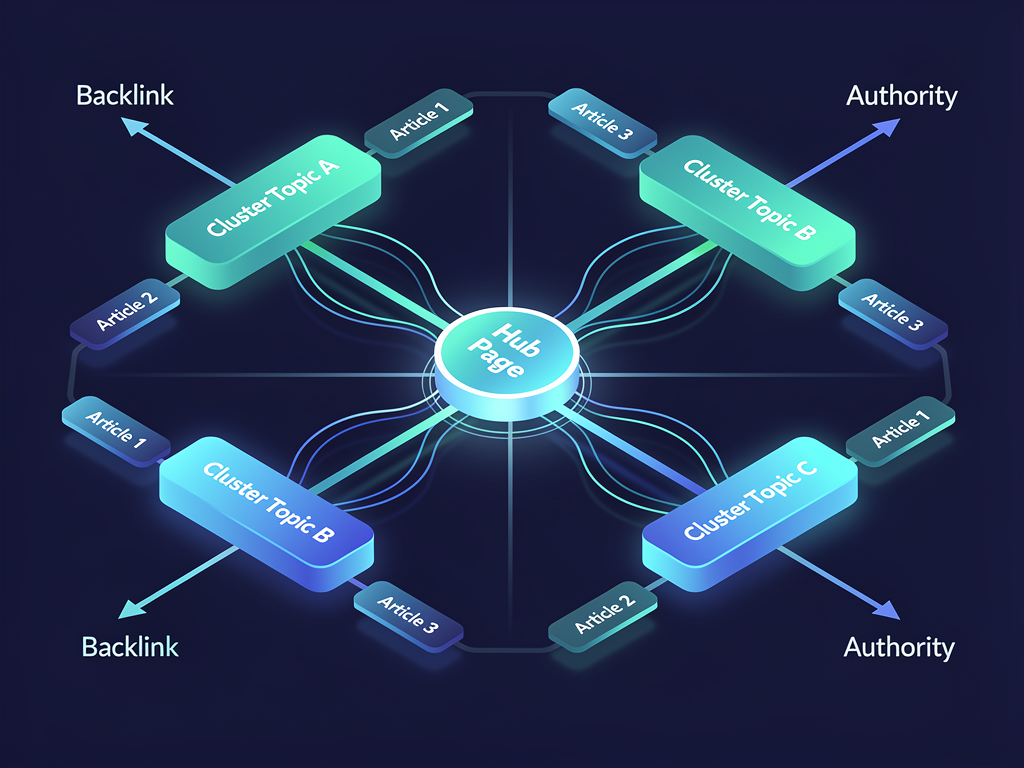
Plan content clusters that create natural internal linking opportunities. Hub pages covering broad topics should link to detailed articles on specific subtopics, which in turn link back to the hub and to each other. This architecture signals topical authority and improves crawl efficiency.
Link Building and Authority Development
External links from authoritative sites remain among the strongest ranking factors. AI content generation creates more assets that can potentially earn links, but active link building efforts accelerate authority development. Some platforms include backlink exchange networks that facilitate reciprocal linking among quality sites, providing a scalable approach to link acquisition.
Focus link building efforts on your highest-value content pieces. Comprehensive guides, original research, and unique tools attract links more readily than routine blog posts. Prioritize quality over quantity in both content and link building.
Industry-Specific Applications and Considerations
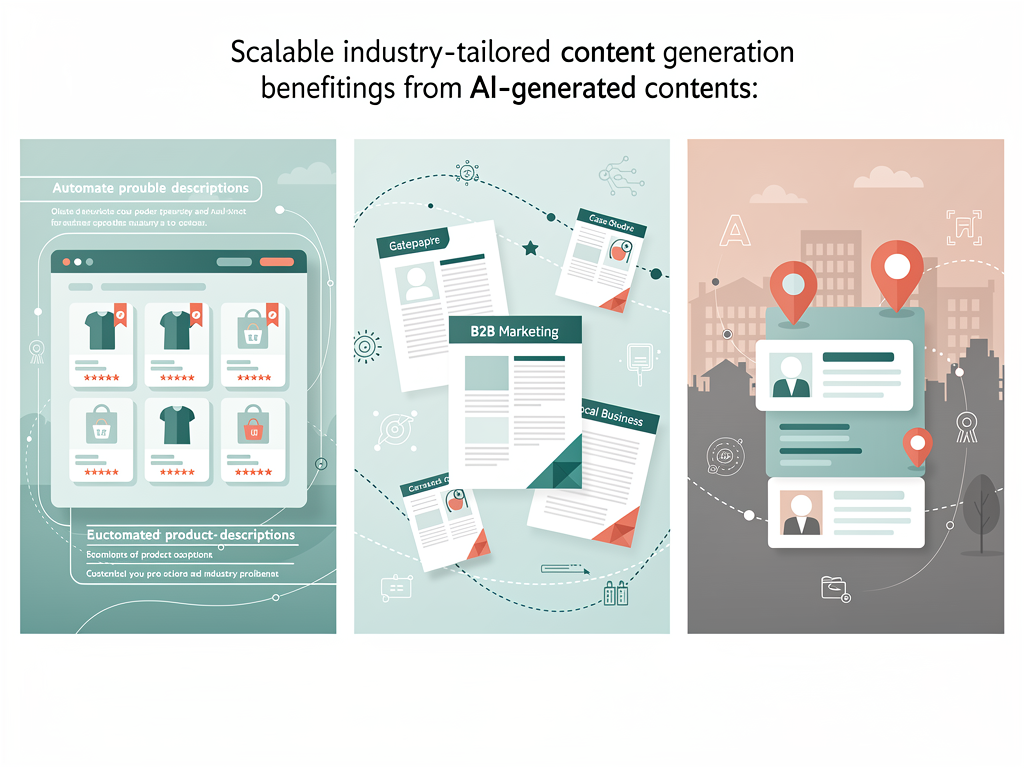
Different industries face unique challenges and opportunities when implementing AI content strategies. Understanding these nuances helps tailor approaches for maximum effectiveness.
E-commerce and Retail
Online retailers benefit enormously from AI content generation due to the volume of products requiring descriptions, category pages needing optimization, and blog content supporting the buyer journey. Seasonal content, gift guides, and trend pieces can be produced quickly to capture timely search demand.
Product description generation should incorporate unique selling points, specifications, and use cases rather than generic feature lists. Category pages benefit from substantial content that addresses buyer questions and establishes topical relevance beyond simple product listings.
B2B and Professional Services
B2B content often requires demonstrating deep expertise to build trust with sophisticated buyers. AI content generation works well for educational content, industry analysis, and thought leadership pieces when combined with genuine expert input. Case studies and client success stories benefit from AI assistance with structure and optimization while requiring human input for specific details.
Longer sales cycles in B2B mean content must serve multiple stages of the buyer journey. AI can efficiently produce awareness-stage educational content, consideration-stage comparison pieces, and decision-stage detailed guides, ensuring comprehensive coverage across the funnel.
Local and Multi-Location Businesses
Businesses serving multiple geographic areas face the challenge of creating unique, relevant content for each location without duplicating material. AI generation can produce location-specific pages that incorporate local details, service area information, and community references while maintaining consistent messaging about core offerings.
Local content should go beyond simple location insertion to include genuinely relevant local information. AI tools can research and incorporate local statistics, landmarks, and context that make pages valuable to local searchers rather than thin doorway pages.
SaaS and Technology
Software companies need constant content production to support product marketing, customer education, and thought leadership. AI excels at producing help documentation, feature explanations, and comparison content. Integration guides and technical tutorials benefit from AI's ability to structure complex information clearly.
Technology content requires careful attention to accuracy, as technical audiences quickly identify errors. Combine AI generation with review by product experts and developers to ensure technical correctness alongside SEO optimization.
Affiliate and Niche Sites
Affiliate marketers building content sites in specific niches can leverage AI to achieve the content volume needed to establish topical authority. Product reviews, comparison articles, and buying guides form the core content types, all well-suited to AI generation with appropriate customization.
Success in affiliate marketing increasingly requires genuine expertise and unique perspectives rather than generic product summaries. Use AI to handle research synthesis and structural elements while adding personal experience, original testing, and authentic recommendations that differentiate your content.
Future Trends in AI Content Generation
The AI content landscape continues evolving rapidly, with new capabilities emerging that will further transform content production. Understanding these trends helps businesses prepare for future opportunities.
Multimodal Content Creation
Current AI tools primarily focus on text generation, but multimodal systems that create images, videos, and interactive elements alongside written content are advancing quickly. Future platforms will likely produce complete multimedia content packages from single prompts, further streamlining production workflows.
Businesses should begin thinking about content in multimedia terms, planning for formats that combine text, visuals, and interactive elements. Early adoption of multimodal capabilities will provide competitive advantages as these tools mature.
Personalization at Scale
AI enables content personalization that was previously impossible at scale. Future systems will generate variations of content tailored to specific audience segments, geographic regions, or individual user characteristics. This personalization can improve engagement and conversion rates while maintaining production efficiency.
Consider how your content strategy might evolve to incorporate personalization. Identify audience segments with distinct needs and begin planning content variations that address those differences.
Real-Time Content Optimization
Static content optimization will give way to dynamic systems that continuously adjust content based on performance data. AI will identify underperforming sections, suggest improvements, and potentially implement changes automatically. This continuous optimization approach maximizes the value of every content piece over time.
Invest in analytics infrastructure that can support real-time optimization. The data foundation you build today will enable more sophisticated AI-driven optimization in the future.

Selecting the Right AI Content Platform
With numerous AI content tools available, selecting the right platform for your needs requires careful evaluation of features, capabilities, and fit with your workflow.
Evaluate Your Primary Use Case
Different platforms excel at different tasks. Some focus primarily on writing assistance, requiring users to handle keyword research, optimization, and publishing separately. Others provide end-to-end workflows that manage the entire content production process. Match platform capabilities to your specific needs rather than selecting based on general popularity.
Consider whether you need a tool for occasional content creation or a system for ongoing scaled production. The requirements differ significantly, and platforms optimized for one use case may not serve the other well.
Assess Integration Capabilities
The value of AI content generation diminishes if it creates bottlenecks elsewhere in your workflow. Evaluate how platforms integrate with your existing tools: CMS platforms, SEO software, analytics systems, and project management tools. Seamless integration enables the efficiency gains that justify AI investment.
Pay particular attention to CMS integration if you manage multiple sites or clients. One-click publishing to WordPress, Webflow, Shopify, or other platforms saves significant time compared to manual content transfer and formatting.
Consider Total Cost of Ownership
Platform pricing varies widely, from free tiers with limited capabilities to enterprise solutions costing thousands monthly. Evaluate total cost of ownership including subscription fees, usage-based charges, and the time required to manage the platform effectively.
Cheaper tools that require extensive manual effort may cost more in practice than premium platforms with greater automation. Calculate the true cost per published article including both platform fees and labor time to make accurate comparisons.
| Evaluation Criteria | Questions to Ask | Why It Matters |
|---|---|---|
| SEO Integration | Does the platform include keyword research and optimization scoring? | Separate SEO tools add cost and workflow complexity |
| Content Quality | Can you test output quality before committing? | Poor quality requires extensive editing, negating efficiency gains |
| Brand Customization | Can you train the system on your brand voice and knowledge? | Generic content fails to differentiate in competitive markets |
| Publishing Automation | Does it integrate with your CMS for direct publishing? | Manual publishing creates bottlenecks at scale |
| Multimedia Support | Can it generate or source images and embed videos? | Text-only content underperforms in most niches |
| Scalability | What are the limits on content volume and how does pricing scale? | Growth should not require platform migration |
Implementation Best Practices
Successful AI content implementation requires thoughtful planning and execution. These best practices help ensure that your investment in AI content tools delivers expected returns.
Start with a Pilot Program
Rather than immediately scaling AI content production, begin with a controlled pilot. Select a specific content type or topic area for initial testing. Produce a meaningful volume of content, perhaps ten to twenty pieces, and monitor performance over several months before expanding.
Pilots identify workflow issues, quality concerns, and optimization opportunities before they affect large content volumes. The lessons learned inform full-scale implementation and help avoid costly mistakes.
Develop Clear Quality Standards
Document explicit quality standards that all AI-generated content must meet before publication. These standards should cover factual accuracy, brand voice consistency, SEO optimization levels, readability scores, and any industry-specific requirements. Clear standards enable consistent quality regardless of who reviews content.
Create checklists or rubrics that reviewers can apply systematically. Standardized evaluation reduces subjectivity and ensures that quality does not drift over time as teams become comfortable with AI output.
Build Feedback Loops
Establish processes for capturing and acting on feedback about AI content performance. When content underperforms, analyze why and adjust generation parameters accordingly. When content exceeds expectations, identify the factors that contributed to success and replicate them.
Regular review sessions where teams discuss AI content performance help surface insights that might otherwise be missed. These discussions should inform ongoing refinement of prompts, briefs, and quality standards.
Train Your Team
AI content tools require skill to use effectively. Invest in training for team members who will work with these platforms, covering both technical operation and strategic best practices. Well-trained teams extract significantly more value from AI tools than those learning through trial and error.
Training should address prompt engineering, quality evaluation, optimization interpretation, and troubleshooting common issues. Consider creating internal documentation that captures institutional knowledge about effective AI content practices.
Maintain Human Oversight
Despite AI capabilities, human judgment remains essential for content that represents your brand. Establish clear review processes that ensure appropriate oversight without creating bottlenecks. The goal is efficient quality control rather than rubber-stamping or excessive intervention.
Define which content types require which levels of review. Routine content might need only light editing, while sensitive topics or high-stakes pieces warrant more thorough examination. Risk-based review allocation optimizes both quality and efficiency.
The Role of Backlinks in AI Content Success
Even exceptional content struggles to rank without external validation in the form of backlinks. Understanding how link building complements AI content generation helps create complete strategies for ranking success.
Content Quality Attracts Natural Links
High-quality, comprehensive content naturally attracts links from other sites seeking authoritative references. AI generation enables the production of link-worthy content at scale, creating more opportunities for natural link acquisition. Focus on producing genuinely valuable resources that others will want to cite.
Certain content types attract links more readily than others. Original research, comprehensive guides, useful tools, and unique data visualizations tend to earn links at higher rates than routine blog posts. Prioritize these formats in your AI content strategy.
Strategic Link Building Accelerates Results
While natural link acquisition provides a foundation, active link building accelerates authority development. Outreach campaigns, guest posting, and link exchange programs complement AI content production by ensuring that great content gains the external signals needed to rank.
Some AI content platforms include built-in link building capabilities, such as backlink exchange networks that connect quality sites for mutual benefit. These integrated approaches streamline the path from content creation to ranking success.
Internal Links Distribute Authority
Internal linking ensures that authority gained through external links flows throughout your site. AI content platforms that automatically implement strategic internal links help maximize the ranking potential of all content, not just the pieces that earn external links directly.
Plan content architecture with internal linking in mind. Hub and spoke models, topic clusters, and clear hierarchies all facilitate effective internal link distribution. AI tools can implement these structures automatically when properly configured.
Conclusion
The integration of AI into content production represents a fundamental shift in how businesses can compete for organic search visibility. The efficiency gains, quality improvements, and scalability that modern AI content platforms provide have democratized access to content strategies that were previously available only to organizations with substantial resources.
Success with AI content generation requires more than simply adopting new tools. It demands strategic thinking about content goals, systematic workflows that maintain quality at scale, and integration with broader SEO efforts including technical optimization and link building. Businesses that approach AI content as a complete strategy rather than a shortcut will capture the greatest benefits.
The future belongs to organizations that can produce high-quality, search-optimized content efficiently and consistently. AI content generation provides the foundation for this capability, but human expertise in strategy, quality control, and continuous improvement remains essential. The most successful implementations combine AI efficiency with human judgment, creating content production systems that outperform either approach alone.
For SEO agencies, content marketing managers, small business owners, and all the other professionals seeking to improve their organic search performance, now is the time to develop AI content capabilities. The technology has matured to the point where it can reliably produce rank-worthy content, and early adopters are already capturing competitive advantages that will be difficult for laggards to overcome.
Frequently Asked Questions
Can AI-generated content actually rank in Google search results?
Yes, AI-generated content can absolutely rank in Google search results when it meets quality standards and provides genuine value to users. Google's guidelines focus on content helpfulness rather than production method, meaning well-optimized AI content has the same ranking potential as human-written material. The key factors for success include demonstrating expertise and authority on the topic, satisfying user search intent comprehensively, maintaining factual accuracy throughout the content, providing unique insights or perspectives not found elsewhere, and ensuring proper technical SEO implementation. Studies and real-world examples show that properly optimized AI content can achieve first-page rankings within days or weeks of publication, particularly when published on domains with established authority and supported by strategic link building efforts.
How much human editing does AI-generated content typically require?
The amount of human editing required varies significantly based on the AI platform used, the complexity of the topic, and your quality standards. With basic AI writing tools, expect to spend 30 to 60 minutes editing a 2,000-word article, checking for accuracy, improving flow, and adding unique insights. Advanced platforms with brand voice training and SEO optimization typically require 15 to 30 minutes of review per article, primarily for fact-checking and final polish. The most sophisticated end-to-end solutions may need only 5 to 15 minutes of review for routine content types. Technical topics, sensitive subjects, and content requiring original expertise always warrant more thorough human involvement regardless of the platform used. Building efficient review processes and clear quality standards helps minimize editing time while maintaining content quality.
What is the typical cost per article when using AI content generation?
AI content generation costs vary widely based on the platform, article length, and level of automation. Basic AI writing assistants like ChatGPT Plus cost around $20 monthly for unlimited use, making per-article costs minimal but requiring significant manual effort for SEO optimization and publishing. Mid-tier SEO content platforms typically charge $50 to $150 per article when accounting for subscription costs and usage limits. Fully automated platforms that handle keyword research, content generation, image creation, and publishing often work out to $15 to $50 per article at scale. Compare these figures to traditional content production costs of $200 to $500 per article for quality human-written content, and the economic case for AI generation becomes clear. The key is calculating total cost including both platform fees and the labor time required for review and publishing.
How do I maintain brand voice consistency across AI-generated content?
Maintaining brand voice consistency requires intentional configuration and ongoing refinement of your AI content tools. Start by documenting your brand voice guidelines explicitly, including tone characteristics, vocabulary preferences, sentence structure patterns, and examples of ideal content. Upload existing brand content to platforms that offer style learning capabilities, allowing the AI to analyze and replicate your established voice. Create detailed content briefs that specify voice requirements for each piece, and develop review checklists that evaluate voice consistency alongside other quality factors. Some platforms allow you to build knowledge bases containing company-specific terminology, messaging frameworks, and positioning statements that inform all generated content. Regular calibration sessions where teams review AI output against brand standards help identify drift and inform prompt adjustments. With proper setup, AI can maintain voice consistency across hundreds of content pieces more reliably than rotating teams of human writers.
What types of businesses benefit most from AI content generation?
Businesses with high content volume requirements see the greatest benefits from AI content generation. E-commerce companies needing product descriptions, category content, and supporting blog articles can dramatically reduce content costs while improving coverage. SEO agencies serving multiple clients can scale their content delivery without proportionally increasing staff. Affiliate marketers and niche site builders can achieve the content volume needed to establish topical authority in competitive markets. B2B companies with long sales cycles benefit from efficiently producing educational content across all funnel stages. Local businesses with multiple locations can create unique, relevant content for each service area. SaaS companies requiring constant product documentation, feature explanations, and thought leadership content find AI generation particularly valuable. Even small businesses with limited marketing resources can compete more effectively by leveraging AI to produce content that would otherwise be unaffordable. The common thread is that any business where content volume constrains growth can benefit from AI generation capabilities.
How long does it take for AI-generated content to start ranking?
The timeline for AI-generated content to achieve rankings depends on multiple factors including domain authority, keyword competition, content quality, and link building efforts. On established domains with strong authority, well-optimized AI content can begin ranking for less competitive keywords within 24 to 48 hours of publication. More competitive terms typically require two to four weeks to see initial ranking movement, with continued improvement over subsequent months. New domains face longer timelines regardless of content quality, often requiring three to six months to build sufficient authority for meaningful rankings. Content that earns backlinks ranks faster than content relying solely on on-page optimization. Consistent publishing schedules that demonstrate ongoing topical coverage tend to accelerate ranking timelines compared to sporadic publication. The key insight is that AI content follows the same ranking dynamics as human-written content, meaning the fundamentals of SEO still apply. Quality, relevance, authority, and user satisfaction determine ranking success regardless of how the content was produced.
Ready to Scale Your Content Production?
If you are ready to transform your content production capabilities and start ranking for the keywords that matter to your business, SeoSmart offers a complete solution for AI-powered content creation at scale. With features including automated content sprints of 30 or 60 articles monthly, built-in keyword research, AI-generated images and YouTube video embedding, one-click publishing to WordPress and other CMS platforms, and a backlink exchange network to accelerate your ranking success, SeoSmart provides everything you need to compete in today's content-driven search landscape. Start with 500 free credits and discover how AI-powered content generation can transform your organic traffic growth.

Subscribe to our newsletter
Subscribe to our newsletter and stay up-to-date with the latest news and updates.