Frase Review 2026: Is It Still the Best AI SEO Tool?
Explore the evolution of AI-powered SEO content tools in 2026 and discover if Frase remains a top choice. Learn about its strengths, pricing, and new features.

Zakariae

The landscape of AI-powered SEO content tools has shifted dramatically since 2023, and platforms that once dominated the conversation now face intense scrutiny from content teams demanding more than basic keyword density scores. For SEO agencies managing multiple client campaigns, content marketing managers at B2B companies, and small business owners trying to compete in increasingly crowded search results, choosing the right content optimization platform can mean the difference between ranking success and wasted resources. This comprehensive review examines whether one of the original players in this space still deserves a place in your 2026 content workflow, or whether newer alternatives have rendered it obsolete.
Key Takeaways
- Research and briefing capabilities remain strong, with SERP analysis and content brief generation continuing to save significant time for content teams producing high volumes of articles.
- Dual SEO and GEO scoring represents a major evolution, addressing the critical need to optimize content for both traditional search engines and AI-powered search platforms.
- Pricing has increased substantially, with the Professional plan now costing more than some competitors, making value assessment essential before committing.
- AI writing features require human oversight, functioning best as a drafting assistant rather than a replacement for editorial expertise and subject matter knowledge.
- Content monitoring and autonomous fixes have been added to address the growing challenge of maintaining rankings as search algorithms and AI citation patterns evolve.
- Integration capabilities have expanded, though teams with complex publishing workflows may still need additional tools for complete automation.
- Alternative platforms may offer better value for specific use cases, particularly for teams focused exclusively on page-level optimization or those requiring more comprehensive backlink analysis.
Understanding the Evolution of Content Optimization Tools
Content optimization tools emerged from a simple premise: analyze what ranks well in search results and provide writers with guidance to create competitive content. The early versions of these platforms focused primarily on keyword density, word count targets, and basic topic coverage recommendations. Writers would enter a target keyword, receive a list of terms to include, and aim for a specific score that theoretically correlated with ranking potential.
This approach worked reasonably well when search engines relied more heavily on keyword matching and traditional relevance signals. However, the introduction of sophisticated language models, the rise of AI-powered search experiences, and the increasing complexity of search intent have fundamentally changed what content optimization must accomplish. Tools that failed to evolve beyond basic keyword analysis have become increasingly irrelevant, while platforms that adapted to these shifts have developed entirely new capabilities.
The criticism from SEO professionals has been consistent and pointed. Many practitioners have noted that older optimization approaches made content less readable, failed to account for how large language models evaluate content, and showed little meaningful progress in addressing the realities of modern search. These concerns forced platform developers to reconsider their fundamental approaches, leading to significant rebuilds and new feature sets designed for the current search environment.
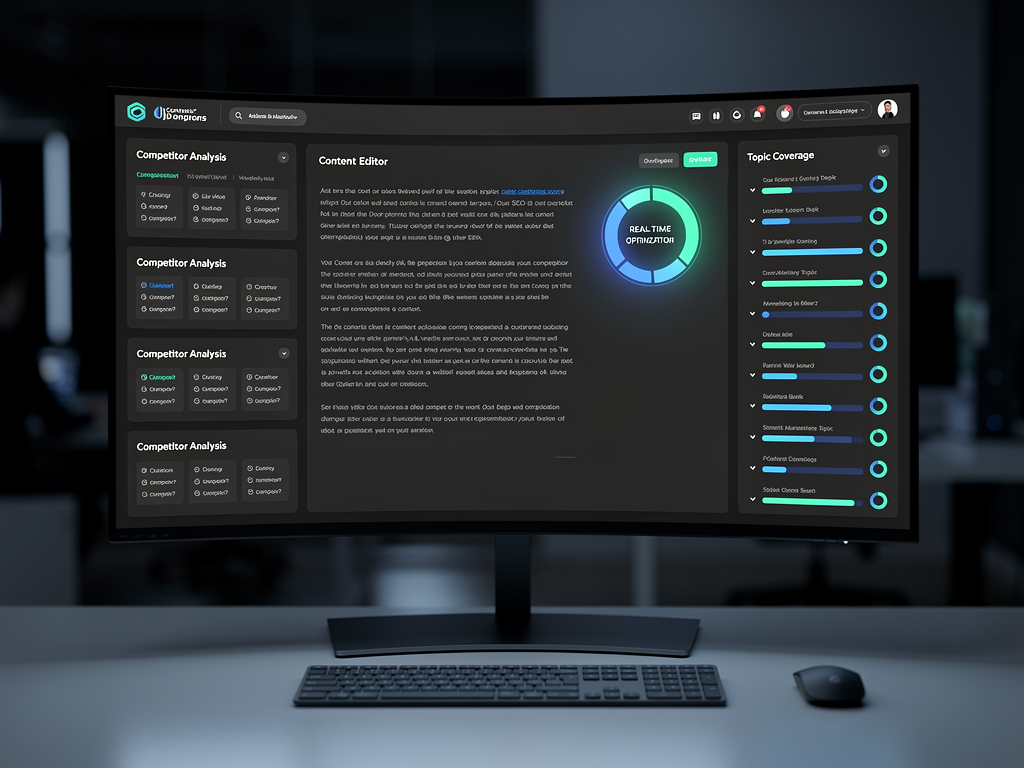
For agencies and marketing teams evaluating these tools in 2026, understanding this evolution is essential. The platform you tested two years ago may have transformed substantially, and the features that matter most have shifted from simple keyword guidance to comprehensive content lifecycle management including AI visibility tracking, autonomous content fixes, and dual scoring systems that address both traditional SEO and generative engine optimization.
Core Research and SERP Analysis Capabilities
The foundation of any content optimization platform lies in its ability to analyze search results and extract actionable insights. This research phase traditionally required content strategists to open multiple browser tabs, manually review competing articles, identify recurring themes and topics, determine search intent, and collect questions that users frequently ask. Depending on the complexity of the topic, this preparation alone could consume an hour or more before any writing began.
Modern platforms automate much of this research by scanning top-ranking pages and organizing the information into structured formats that writers and editors can immediately use. The analysis typically includes common headings used by competitors, People Also Ask questions, entity relationships, word count benchmarks, and topic coverage patterns. This automation transforms what was once a tedious manual process into a streamlined workflow that can be completed in minutes rather than hours.
The quality of SERP analysis varies significantly between platforms, and this differentiation matters for teams producing large volumes of content. Effective analysis goes beyond surface-level keyword extraction to understand the underlying search intent, identify content gaps that represent ranking opportunities, and recognize patterns in how top-performing content structures information for readers. Platforms that excel in this area provide genuine competitive intelligence rather than simple keyword lists.
For affiliate marketers and niche site builders, strong research capabilities directly impact content ROI. Understanding exactly what information searchers expect to find, which questions they need answered, and how competing content addresses these needs allows for more strategic content creation. Rather than guessing at what topics to cover, teams can make data-driven decisions about content structure and comprehensiveness based on actual SERP analysis.
| Research Feature | Benefit for Content Teams | Time Savings |
|---|---|---|
| Automated SERP scanning | Eliminates manual competitor review | 30-60 minutes per article |
| Question extraction | Identifies user intent and FAQ opportunities | 15-20 minutes per article |
| Topic clustering | Maps related content opportunities | Hours of keyword research |
| Content gap analysis | Reveals missing topics competitors cover | 20-30 minutes per article |
| Entity identification | Ensures comprehensive topic coverage | Variable based on topic complexity |
Content Brief Generation and Outline Building
The transition from research to writing represents a critical handoff point where many content workflows break down. Raw SERP data and keyword lists do not automatically translate into actionable guidance for writers, particularly when working with freelancers or distributed teams who may lack deep SEO knowledge. Content briefs bridge this gap by transforming research insights into structured documents that clearly communicate expectations for coverage, structure, and optimization targets.
Effective brief generation includes several key components that help writers understand exactly what they need to produce. These typically include recommended headings based on competitor analysis, specific questions the content should answer, target word count ranges, internal linking suggestions, external reference recommendations, and clear guidance on search intent. When briefs are comprehensive and well-organized, writers can focus on creating quality content rather than conducting their own research or making assumptions about what to include.
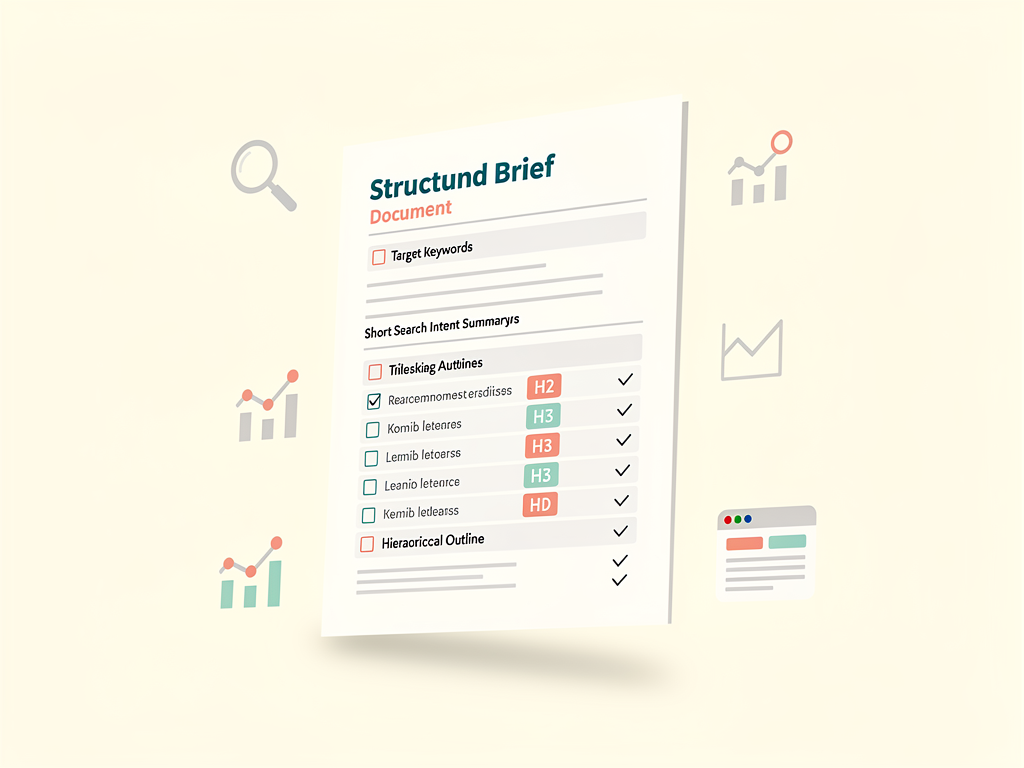
For B2B content marketing managers coordinating multiple writers and subject matter experts, standardized brief formats create consistency across content production. Rather than each writer interpreting research differently, briefs establish a common framework that ensures all content meets baseline SEO requirements while allowing room for expertise and creativity. This standardization becomes increasingly valuable as content volume scales and maintaining quality becomes more challenging.
The outline building functionality extends beyond simple heading suggestions to include recommended content flow, logical section ordering, and guidance on how deeply to cover specific subtopics. Advanced platforms analyze not just what topics competitors cover but how they structure information to satisfy user intent throughout the content. This structural guidance helps writers create content that naturally addresses the complete user journey rather than simply hitting keyword targets.
Pro Tip: Content briefs save more time than AI writing features for most teams. Investing in comprehensive brief generation reduces revision cycles and ensures writers understand expectations before they begin drafting, ultimately accelerating the entire content production process.
Real-Time Content Scoring and Optimization Guidance
The content editor experience defines how writers interact with optimization recommendations during the actual writing process. Real-time scoring provides immediate feedback on content quality, topic coverage, and competitive positioning as writers draft and revise their work. This continuous feedback loop allows for iterative improvement rather than requiring writers to complete drafts before discovering optimization gaps.
Traditional content scores focused primarily on keyword inclusion and density, leading to the legitimate criticism that optimization tools made content less readable and more formulaic. Modern scoring systems have evolved to consider a broader range of factors including semantic relevance, topic comprehensiveness, content structure, readability metrics, and alignment with demonstrated search intent. These multi-dimensional scores provide more nuanced guidance that supports quality content creation rather than keyword stuffing.
The practical value of real-time scoring depends heavily on implementation. Effective systems provide specific, actionable recommendations rather than generic suggestions to include more keywords. Writers benefit from understanding exactly which topics need additional coverage, which sections may be too thin, and where structural improvements would strengthen the content. Vague guidance to improve your score without clear direction on how to do so creates frustration rather than value.
For e-commerce store owners creating product-focused blog content, optimization guidance helps ensure that informational content effectively supports commercial goals. Understanding how to balance educational value with strategic keyword targeting, how to structure content for featured snippet opportunities, and how to address the full range of questions potential customers ask requires sophisticated guidance that goes beyond simple keyword matching.
The integration of optimization tools with the writing environment matters significantly for workflow efficiency. Platforms that require switching between separate research, writing, and optimization interfaces create friction that slows content production. Unified environments where writers can access SERP data, brief information, and optimization scores without leaving the editor streamline the process and reduce the cognitive load of managing multiple tools simultaneously.
The Critical Shift to Dual SEO and GEO Scoring
Perhaps the most significant evolution in content optimization for 2026 is the recognition that traditional SEO scoring alone no longer captures the full picture of content visibility. The emergence of AI-powered search experiences, including AI Overviews, conversational search interfaces, and AI assistants that cite web content, has created an entirely new dimension of optimization that platforms must address.
Generative Engine Optimization represents the practice of optimizing content to be cited and referenced by AI systems when they generate responses to user queries. This differs from traditional SEO in important ways. While SEO focuses on ranking in search results where users click through to websites, GEO focuses on having content selected as a source that AI systems draw upon when synthesizing answers. The traffic and visibility implications of each require different optimization approaches.

Platforms that have implemented dual scoring systems evaluate content against both traditional ranking factors and the characteristics that make content more likely to be cited by AI systems. These characteristics include clear factual statements, well-structured information that AI can easily extract, authoritative sourcing, and comprehensive coverage that positions content as a definitive resource on the topic. Understanding and optimizing for both dimensions has become essential for maintaining visibility across the evolving search landscape.
The practical implications for content teams are substantial. Content that ranks well in traditional search may not be structured optimally for AI citation, and vice versa. Dual scoring helps identify where content succeeds in one dimension but falls short in another, allowing for targeted improvements that enhance overall visibility. For SaaS companies requiring regular content production, this dual optimization approach ensures that content investments deliver value across multiple discovery channels.
According to industry analysis, AI search traffic often converts at higher rates than traditional organic traffic because users receiving AI-synthesized answers have already moved further along the consideration journey. This conversion advantage makes GEO optimization increasingly important for content strategies focused on business outcomes rather than traffic volume alone.
AI Visibility Tracking and Monitoring
Understanding where and how AI systems cite your content has become a critical capability that content teams cannot afford to ignore. AI visibility tracking monitors whether your content appears in AI-generated responses across various platforms, providing insights into a dimension of content performance that traditional analytics tools do not capture.
This tracking capability addresses a fundamental challenge: you cannot optimize what you cannot measure. Without visibility into how AI systems use your content, teams operate blindly when making decisions about content updates, new content priorities, and optimization strategies. AI visibility tracking closes this gap by providing data on citation patterns, competitive positioning in AI responses, and changes in visibility over time.
The monitoring functionality extends beyond simple presence detection to analyze the context in which content is cited, the specific information AI systems extract, and how visibility changes in response to content updates or algorithm shifts. This granular understanding enables more strategic content decisions and helps teams identify which content characteristics correlate with stronger AI visibility.
For freelance content strategists and SEO specialists working with multiple clients, AI visibility tracking provides a new dimension of reporting that demonstrates value beyond traditional ranking metrics. As clients become more aware of AI search experiences and their impact on traffic patterns, the ability to track and report on AI visibility becomes a competitive differentiator for service providers.
AI Writing Assistance and Content Generation
The AI writing capabilities integrated into content optimization platforms have evolved significantly, though their role in professional content workflows requires careful consideration. These features can accelerate drafting, help overcome writer's block, and generate initial content that writers then refine and enhance. However, they function best as assistants rather than replacements for human expertise and editorial judgment.
Modern AI writing integration typically includes several capabilities: generating initial drafts based on briefs and outlines, expanding thin sections with additional detail, suggesting alternative phrasings for improved readability, and creating variations of content for testing. These features can meaningfully accelerate content production when used appropriately, particularly for teams facing high volume demands with limited writing resources.
The quality of AI-generated content varies based on multiple factors including the underlying language model, the quality of input prompts and briefs, and the specificity of guidance provided. Generic prompts produce generic content, while detailed briefs with clear direction on tone, audience, and specific points to cover yield substantially better results. This relationship between input quality and output quality means that strong brief generation capabilities directly enhance AI writing effectiveness.
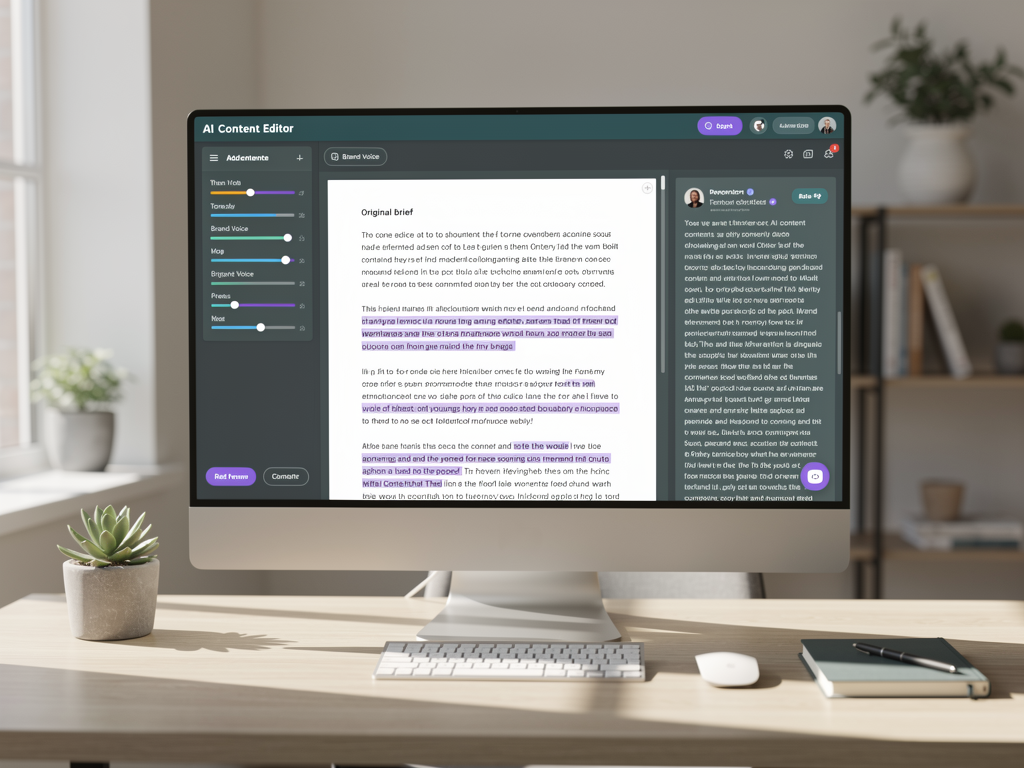
For marketing teams with limited content resources, AI writing assistance can help scale production without proportionally scaling headcount. However, this scaling requires maintaining editorial oversight to ensure accuracy, brand voice consistency, and genuine value for readers. Teams that treat AI-generated content as final drafts rather than starting points risk publishing content that lacks the depth, accuracy, and originality that search engines and readers increasingly demand.
Important Consideration: AI-powered writing works best when paired with human review and strong editorial standards, especially for SEO-focused content where accuracy, expertise, and genuine value differentiate successful content from the flood of AI-generated material now competing for rankings.
The brand voice capabilities in advanced platforms help maintain consistency across AI-assisted content by learning from existing content examples and applying those patterns to new generation. This feature addresses the common concern that AI content sounds generic or disconnected from established brand identity. When properly configured, brand voice settings can produce drafts that require less revision to match organizational tone and style expectations.
Content Monitoring and Autonomous Optimization
Content performance does not remain static after publication. Rankings fluctuate, search algorithms evolve, competitor content improves, and the information landscape changes. Content monitoring capabilities address this reality by tracking performance over time and alerting teams when intervention may be needed to maintain or recover rankings.
The concept of content decay has gained significant attention as teams recognize that even successful content requires ongoing maintenance. Articles that ranked well six months ago may have slipped as competitors published more comprehensive content, as search intent shifted, or as the information became outdated. Monitoring systems identify these declines early, allowing teams to prioritize refresh efforts before rankings deteriorate significantly.
Advanced platforms have introduced autonomous optimization features that go beyond alerting to actually implementing fixes. These systems can identify specific issues causing performance decline and automatically apply corrections, subject to approval workflows that maintain human oversight. For teams managing large content libraries, this automation can dramatically reduce the manual effort required to maintain content quality at scale.
The autonomous capabilities raise important questions about control and quality assurance. Effective implementations provide transparency into what changes are being recommended or applied, allow teams to configure approval requirements based on change significance, and maintain audit trails that document modifications over time. Teams should evaluate these controls carefully to ensure autonomous features enhance rather than undermine content quality.

Integration Capabilities and Publishing Workflows
The value of any content tool depends partly on how well it integrates with existing workflows and technology stacks. Content teams rarely work in isolation with a single platform, instead coordinating across content management systems, project management tools, collaboration platforms, and analytics systems. Integration capabilities determine whether a content optimization platform enhances this ecosystem or creates additional friction.
Direct publishing integrations with major content management systems including WordPress, Webflow, and other platforms allow teams to move from optimization to publication without manual copy-paste processes. These integrations preserve formatting, maintain internal links, and reduce the errors that occur when content moves between systems. For teams publishing frequently, these time savings compound significantly over the course of a year.
API access enables more sophisticated integrations for teams with custom workflows or proprietary systems. Agencies managing content for multiple clients with different technology requirements particularly benefit from API flexibility that allows adaptation to varied environments. The availability and quality of API documentation, rate limits, and support for common integration patterns all factor into the practical utility of these capabilities.
For small business owners managing their own SEO, simpler integration requirements may suffice. Direct WordPress publishing, for example, can eliminate the technical complexity of API integrations while still providing meaningful workflow improvements. Evaluating integration needs based on actual workflow requirements rather than theoretical capabilities helps ensure that integration features provide genuine value rather than unused complexity.
| Integration Type | Common Platforms | Primary Benefit |
|---|---|---|
| CMS Publishing | WordPress, Webflow, Ghost | Direct publication without manual transfer |
| E-commerce | Shopify, WooCommerce | Blog content for product-focused sites |
| Project Management | Asana, Monday, Trello | Workflow coordination and task tracking |
| Analytics | Google Analytics, Search Console | Performance tracking and reporting |
| API Access | Custom implementations | Flexible integration with proprietary systems |
Pricing Analysis and Value Assessment
Pricing structures for content optimization platforms have evolved alongside feature sets, and recent changes have significantly impacted the value proposition for different user segments. Understanding the true cost of these tools requires looking beyond headline prices to consider usage limits, feature restrictions at different tiers, and the total cost of achieving specific workflow goals.
Entry-level plans often impose significant limitations that restrict practical utility for professional use. Article limits, feature restrictions, and reduced access to advanced capabilities may make lower-tier plans suitable only for testing or very light usage. Teams planning to produce content at scale typically need mid-tier or higher plans to access the features and volume allowances required for meaningful workflow impact.
The comparison with competing platforms reveals important value considerations. Some platforms have increased pricing to levels that exceed alternatives offering similar core functionality. This pricing pressure means that teams must carefully evaluate whether premium pricing delivers proportionally premium value, or whether alternatives provide comparable capabilities at lower cost.

For agencies billing clients for content services, tool costs factor directly into project profitability. Higher platform costs must translate into either higher client fees or reduced margins unless efficiency gains offset the increased expense. Agencies should calculate the per-article cost of their tooling stack and evaluate whether that cost is justified by time savings and quality improvements.
Annual billing typically offers significant discounts compared to monthly payment, but requires committing budget before fully evaluating whether the platform meets long-term needs. Many platforms offer trial periods that allow testing before commitment, though trial limitations may not fully reveal how the platform performs under production conditions. Balancing the savings of annual billing against the flexibility of monthly payment requires considering both financial and operational factors.
Comparing Alternatives and Competitive Positioning
The content optimization market includes multiple platforms with overlapping but distinct capabilities. Understanding how different tools position themselves helps teams select the option that best matches their specific requirements rather than defaulting to the most visible or heavily marketed solution.
Some platforms focus primarily on page-level optimization, providing deeper analysis and more granular guidance for individual pieces of content. These specialists may offer superior optimization scoring and recommendations but lack the broader research, briefing, and workflow features that support complete content production processes. Teams whose primary need is optimization scoring may find these focused tools more valuable than comprehensive platforms.
Other alternatives emphasize different aspects of the content workflow. Some excel at keyword research and topic discovery, others at content planning and editorial calendar management, and still others at performance tracking and reporting. The best choice depends on which workflow stages represent the greatest opportunities for improvement and where existing tools already provide adequate functionality.
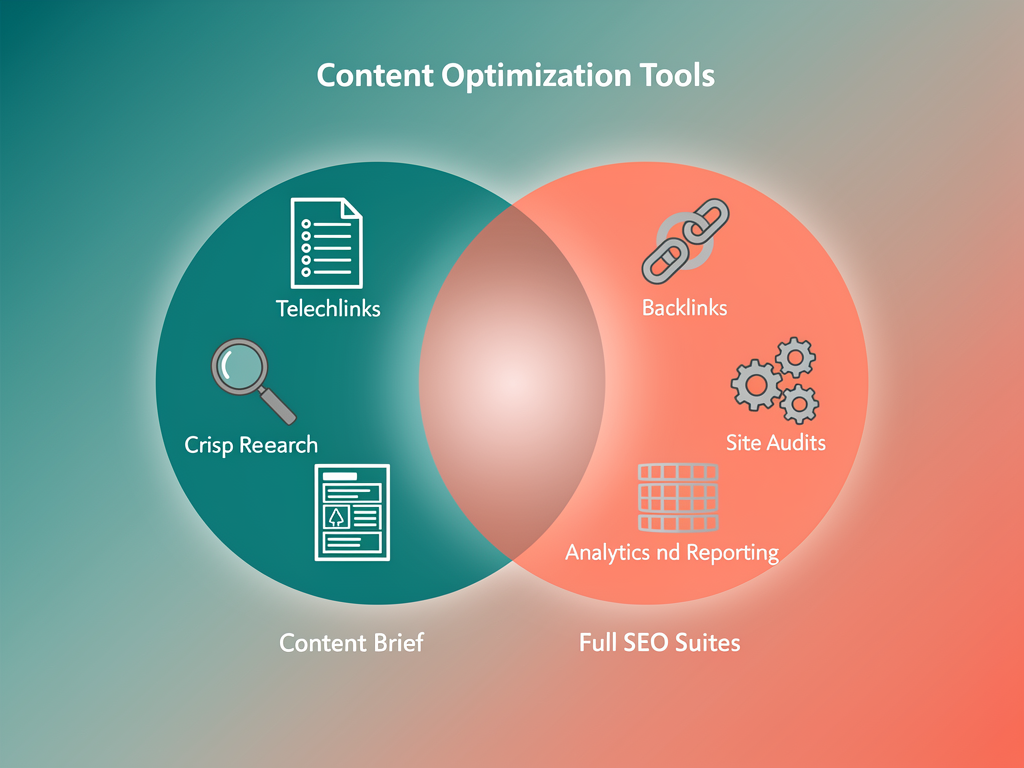
Full SEO suites that include backlink analysis, technical auditing, and comprehensive keyword databases serve different needs than content-focused optimization platforms. Teams requiring these broader capabilities may find that content optimization tools complement rather than replace comprehensive SEO platforms. Understanding this complementary relationship helps avoid both redundant tooling and capability gaps.
Selection Guidance: Choose platforms based on your primary workflow pain points. If research and briefing consume excessive time, prioritize those capabilities. If optimization scoring drives your process, focus on scoring quality. If publishing automation matters most, evaluate integration depth. No single platform excels equally at everything.
Team Collaboration and Workflow Management
Content production rarely involves a single person working in isolation. Writers, editors, SEO specialists, subject matter experts, and managers all contribute to the content lifecycle, and platforms must support this collaborative reality. Team features determine how effectively multiple contributors can work together within the platform and how workflow coordination occurs across roles.
User management capabilities control who can access what within the platform. Role-based permissions allow organizations to provide appropriate access levels to different team members, ensuring that writers can access the tools they need without exposing sensitive client data or billing information. For agencies managing multiple clients, workspace separation keeps client content and data appropriately isolated.

Workflow features support the handoffs and approvals that characterize professional content production. Brief approval processes, draft review stages, and publication sign-offs all benefit from platform support that tracks status, notifies relevant parties, and maintains accountability. Platforms that treat content production as a linear individual activity rather than a collaborative process may create friction for teams with established approval workflows.
The commenting and feedback capabilities within content editors affect how revision cycles proceed. Inline commenting, suggestion modes, and version history all contribute to efficient collaboration between writers and editors. Teams accustomed to these features in tools like Google Docs expect similar functionality in content optimization platforms, and gaps in collaborative editing capabilities can slow revision processes.
Multilingual Content and International SEO
Global businesses and agencies serving international clients require content optimization capabilities that extend beyond English-language content. Multilingual support determines whether platforms can effectively analyze SERPs, generate briefs, and optimize content across different languages and markets.
The quality of multilingual capabilities varies significantly between platforms. Some offer basic translation features that do not account for market-specific search behavior, while others provide native analysis of non-English SERPs with appropriate keyword and topic recommendations for each market. The distinction matters significantly for teams producing content that must perform in specific international markets rather than simply existing in multiple languages.
For e-commerce businesses selling internationally, multilingual content optimization directly impacts revenue potential in different markets. Product-focused content that ranks well in one language market may require substantially different optimization for another, reflecting differences in search behavior, competitive landscape, and user expectations. Platforms that support this market-specific optimization enable more effective international content strategies.
The number of supported languages provides one measure of multilingual capability, but depth of support matters more than breadth. A platform supporting 70 languages with strong analysis quality across all of them provides more value than one claiming 150 languages with inconsistent quality. Teams should test multilingual capabilities with their specific target languages rather than relying on language count as a proxy for quality.
Limitations and Honest Assessment of Weaknesses
No platform excels at everything, and understanding limitations helps teams make informed decisions and set appropriate expectations. Honest assessment of weaknesses provides more value than marketing-focused reviews that emphasize only positive aspects.
Content optimization platforms generally do not replace comprehensive SEO suites for backlink analysis, technical auditing, or keyword database depth. Teams requiring these capabilities need additional tools, and expecting content platforms to fully address these needs leads to disappointment. The appropriate comparison is with other content-focused tools rather than full SEO suites serving different purposes.
AI writing capabilities, while useful for acceleration, do not replace human expertise, editorial judgment, or subject matter knowledge. Content that relies too heavily on AI generation without adequate human oversight risks accuracy issues, generic quality, and failure to provide the genuine value that search engines increasingly prioritize. Teams should view AI writing as a starting point rather than a finished product.
Customer service experiences vary, and some platforms have received criticism for support responsiveness and billing practices. Reviewing feedback from multiple sources, including both positive review platforms and those where dissatisfied customers tend to share experiences, provides a more balanced picture than relying on any single source. Setting calendar reminders for renewal dates and understanding cancellation policies helps avoid unwanted charges.
The learning curve for comprehensive platforms can be substantial, particularly for teams new to content optimization workflows. Features that provide significant value once mastered may initially create confusion or slow adoption. Teams should budget time for onboarding and training rather than expecting immediate productivity gains from day one.
Making the Right Choice for Your Specific Needs
The question of whether any content optimization platform is worth the investment depends entirely on specific circumstances, workflows, and requirements. Generic recommendations fail to account for the diversity of needs across different user segments, from solo affiliate marketers to enterprise content teams.
For SEO agencies managing multiple client campaigns, the efficiency gains from streamlined research and briefing can justify premium pricing when multiplied across many projects. The time saved per article compounds across client portfolios, and standardized workflows improve consistency and reduce training requirements for new team members. Agencies should calculate the per-article time savings and multiply by volume to assess true value.
For small business owners managing their own SEO with limited time and expertise, the guidance provided by content optimization tools can compensate for knowledge gaps and reduce the learning curve for effective content creation. However, the investment must be weighed against other priorities and the realistic volume of content production. Businesses publishing only occasionally may find the ongoing subscription cost difficult to justify.
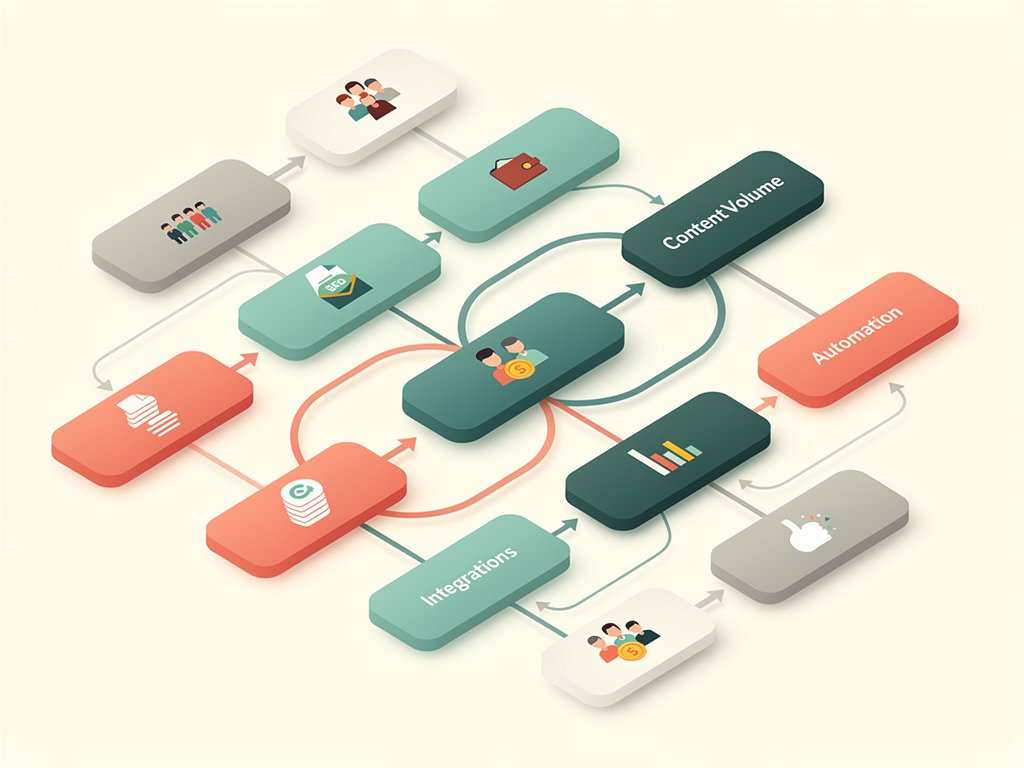
For content marketing managers at B2B companies, the collaboration and workflow features may matter more than individual optimization capabilities. Platforms that support team coordination, maintain consistency across multiple writers, and integrate with existing content management systems provide value beyond what individual contributors might recognize. Evaluating team features alongside individual productivity tools ensures comprehensive assessment.
For SaaS companies requiring regular content production, the combination of research efficiency, optimization guidance, and publishing integration can accelerate content velocity while maintaining quality standards. The dual SEO and GEO scoring becomes particularly relevant for SaaS businesses whose potential customers increasingly discover solutions through AI-powered search experiences.
Future Considerations and Platform Evolution
The rapid pace of change in search technology means that today's optimal solution may require reassessment as the landscape continues evolving. Platforms that demonstrate ongoing development and adaptation to new realities provide more long-term value than those that remain static while the market changes around them.
The continued growth of AI-powered search experiences will likely increase the importance of GEO optimization relative to traditional SEO. Platforms that have already invested in these capabilities are better positioned than those still focused exclusively on traditional ranking factors. Evaluating platform roadmaps and recent development patterns provides insight into future trajectory.
Autonomous content management capabilities will likely expand, with AI systems taking on more responsibility for identifying and implementing content improvements. The balance between automation efficiency and human oversight will require ongoing calibration as these capabilities mature. Teams should consider how comfortable they are with increasing automation and whether platforms provide appropriate controls.

Integration depth will likely become more important as content workflows become more complex and interconnected. Platforms that can serve as central hubs connecting research, creation, optimization, publishing, and performance tracking provide more value than point solutions requiring manual coordination. API capabilities and partnership ecosystems indicate integration potential.
Conclusion
The content optimization category has matured significantly, and platforms that once focused narrowly on keyword density have evolved into comprehensive workflow tools addressing research, briefing, drafting, optimization, publishing, and monitoring. For teams producing SEO-focused content at scale, these platforms can provide meaningful efficiency gains and quality improvements that justify their cost. However, the right choice depends on specific needs, existing workflows, and budget constraints that vary significantly across different user segments.
The shift toward dual SEO and GEO scoring represents perhaps the most important evolution, addressing the reality that content visibility now depends on both traditional search rankings and AI system citations. Platforms that have adapted to this new reality provide more comprehensive optimization guidance than those still focused exclusively on traditional ranking factors. As AI-powered search experiences continue growing in importance, this dual optimization capability will likely become essential rather than optional.
For teams evaluating options, the recommendation is to assess specific workflow needs, calculate realistic volume and efficiency requirements, test platforms with actual content projects during trial periods, and make decisions based on demonstrated value rather than marketing claims. The best platform is the one that addresses your particular challenges and integrates effectively with your existing processes, not necessarily the one with the most features or the highest review scores.
Frequently Asked Questions
Are content optimization tools still worth the investment in 2026?
Content optimization tools remain valuable in 2026, but their worth depends on how you use them and what you expect them to accomplish. For teams producing significant content volume, the time savings from automated SERP research and structured briefing alone can justify subscription costs. A single article that would require an hour of manual research can be briefed in minutes, and those savings compound across dozens or hundreds of articles annually. However, the tools work best as part of a broader content workflow that includes human expertise, editorial oversight, and strategic planning. Teams expecting AI to replace human judgment entirely will be disappointed, while those using these platforms to augment human capabilities and streamline repetitive tasks will find genuine value. The key is matching tool capabilities to actual workflow needs rather than purchasing features you will not use.
What is GEO scoring and why does it matter for content strategy?
GEO scoring, or Generative Engine Optimization scoring, measures how well content is optimized to be cited by AI-powered search systems when they generate responses to user queries. Unlike traditional SEO scoring that focuses on ranking in search results, GEO scoring evaluates characteristics that make content more likely to be selected as a source by AI systems including ChatGPT, Google's AI Overviews, and other conversational search interfaces. These characteristics include clear factual statements, well-structured information that AI can easily extract, authoritative sourcing, and comprehensive topic coverage. GEO matters because AI search traffic often converts at higher rates than traditional organic traffic, and the visibility landscape is shifting toward AI-mediated discovery. Content strategies that ignore GEO optimization risk losing visibility as users increasingly receive AI-synthesized answers rather than clicking through to websites.
How do content optimization platforms compare to comprehensive SEO suites?
Content optimization platforms and comprehensive SEO suites serve different but complementary purposes. Content platforms focus on the workflow between choosing a topic and publishing optimized content, providing research, briefing, drafting assistance, and optimization scoring. Comprehensive SEO suites like Ahrefs or Semrush provide broader capabilities including backlink analysis, technical site auditing, keyword database access, rank tracking, and competitive intelligence across multiple dimensions. Most professional SEO workflows require both types of tools rather than choosing one or the other. Content platforms do not replace the need for backlink analysis or technical auditing, and SEO suites typically do not provide the same depth of content-specific optimization guidance. Teams should evaluate their complete workflow needs and select tools that address gaps rather than expecting any single platform to handle everything.
Can AI writing features replace human content creators?
AI writing features cannot fully replace human content creators, though they can significantly accelerate certain aspects of content production. The most effective use of AI writing is as a drafting assistant that generates initial content which humans then refine, fact-check, and enhance with expertise and original insights. AI-generated content without human oversight tends to be generic, may contain inaccuracies, and lacks the unique perspectives and genuine expertise that differentiate valuable content from the growing volume of AI-produced material competing for rankings. Search engines are increasingly sophisticated at identifying and potentially devaluing content that lacks genuine value, making human editorial involvement essential for content intended to rank well and serve readers effectively. Teams should view AI writing as a productivity tool rather than a replacement for skilled writers and editors.
What should agencies consider when selecting content optimization platforms for client work?
Agencies evaluating content optimization platforms should consider several factors beyond individual feature comparisons. Workspace separation and client management capabilities determine how effectively you can maintain appropriate boundaries between client accounts. User role permissions affect how you can provide team members with appropriate access levels without exposing sensitive information. Pricing structures, particularly per-user or per-workspace costs, directly impact project profitability and should be calculated against realistic usage volumes. Integration capabilities with the various CMS platforms your clients use affect publishing workflow efficiency. White-labeling options may matter for agencies presenting deliverables under their own branding. Finally, the platform's reliability and support responsiveness affect your ability to meet client deadlines, making it worth investigating support experiences beyond marketing materials before committing to annual contracts.
How often should existing content be refreshed using optimization tools?
Content refresh frequency should be driven by performance data rather than arbitrary schedules. Content monitoring features in optimization platforms can identify when specific articles begin declining in rankings or traffic, triggering targeted refresh efforts rather than blanket updates. Generally, high-priority content driving significant traffic or conversions warrants more frequent monitoring and faster response to performance changes. Evergreen content in stable niches may maintain rankings for extended periods without updates, while content in rapidly evolving topics may require quarterly or even monthly refreshes to remain current and competitive. The most efficient approach combines automated monitoring that alerts you to performance changes with periodic manual review of strategic content to ensure continued alignment with business goals and search intent. Optimization tools can then guide specific improvements when refreshes are needed, ensuring updates address actual gaps rather than making changes for their own sake.
Ready to Transform Your Content Workflow?
If you are looking for a comprehensive solution that handles content creation, optimization, and publishing in one integrated platform, SeoSmart offers an alternative approach worth considering. With AI-powered article generation that produces brand-tailored 5,000-word articles complete with images, internal links, and YouTube videos, automatic publishing to your CMS, and a built-in backlink exchange network, SeoSmart addresses the complete content lifecycle from ideation to ranking. Start with 500 free credits and experience how automated content sprints can transform your SEO results while you focus on strategy rather than execution.
Subscribe to our newsletter
Subscribe to our newsletter and stay up-to-date with the latest news and updates.